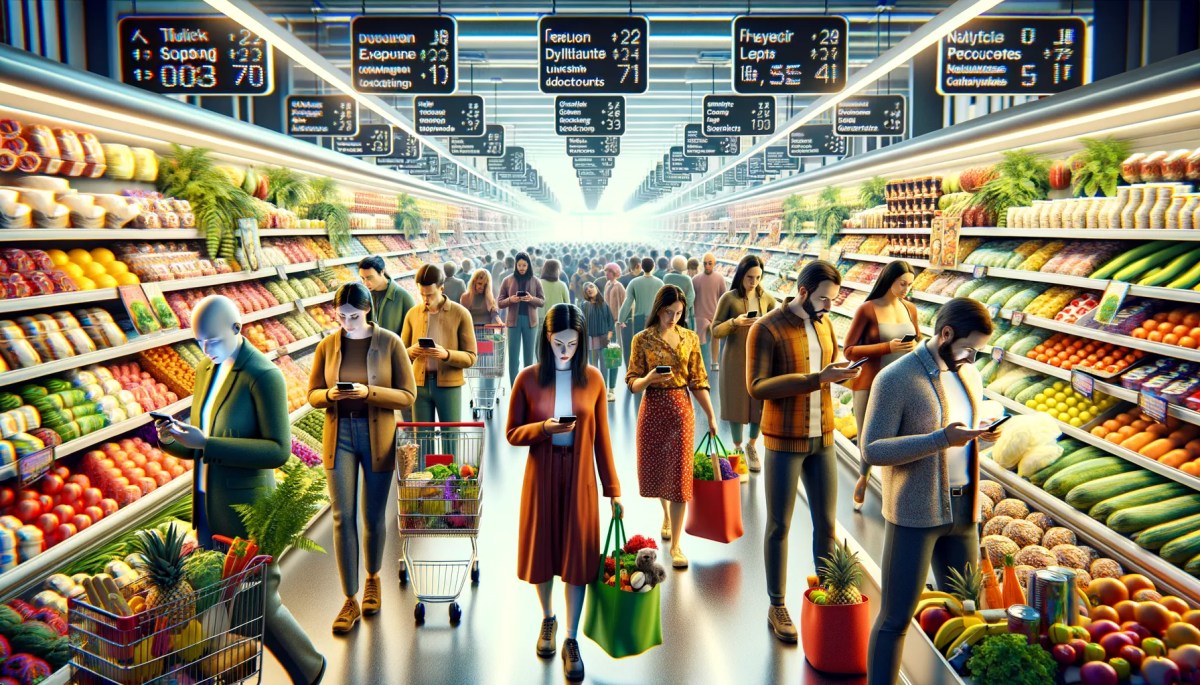
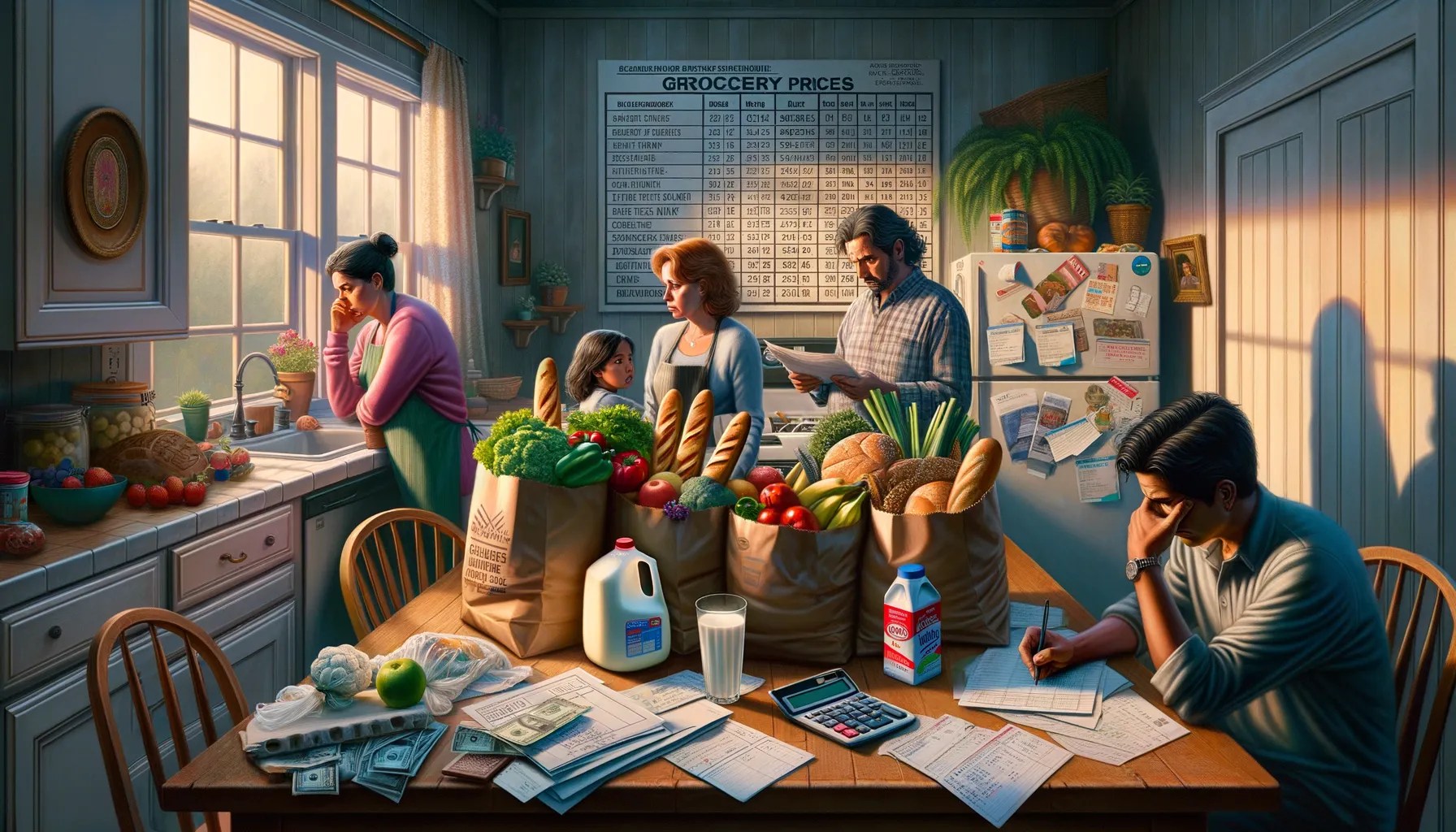
Groceries on the Brink: Navigating the Rising Cost of Food in the USA (And Surprising Ways to Outsmart It)

Grocery prices in the USA have climbed sharply since 2019 but are showing signs of stabilizing in 2025; however, state-by-state differences persist. With eggs, beef, and drinks still on the rise, smart shopping strategies—like meal planning and price-comparison tools—are more essential than ever to save money at checkout.

Last spring, while staring at an $8 carton of eggs at my local supermarket, I realized my grocery trips had quietly mutated into budget battles. This wasn’t just sticker shock. Across America, families are asking: How did a Sunday morning bagel breakfast become a luxury? With food and inflation news crowding headlines, it’s time to dig into what’s really pushing up our grocery bills—and what regular shoppers can (actually) do about it. What follows is a journey through numbers, trends, and ingenious money-saving maneuvers, with a few left-field ideas along the way.

Sticker Shock: How Grocery Prices Have Surged (and Why)

The rising cost of groceries has become a harsh reality for American families. Since 2019, food prices have climbed nearly 30%, forcing millions to make difficult choices between putting food on the table and paying other bills. This dramatic surge represents one of the most significant challenges facing household budgets today.

The Numbers Tell a Sobering Story

The years 2022 through 2025 marked the steepest grocery price increase trends in recent memory. However, there’s a glimmer of hope on the horizon. U.S. food prices showed signs of stabilization in early 2025, with grocery prices rising approximately 2.0% year-over-year by April 2025 – a notably slower pace than previous years’ inflation rates.

The average 2025 food-at-home inflation rate sits at 2.2%, which actually falls slightly below the 20-year average of 2.6%. This suggests that while food prices in USA remain high, the rate of increase is beginning to moderate.

Winners and Losers in the Price Game

Not all food categories face the same fate. Certain items continue to experience grocery price spikes that outpace historical averages. According to USDA forecasts, eggs, beef and veal, sugar and sweets, and nonalcoholic beverages are expected to see the fastest price growth in 2025.

However, there’s an unexpected bright spot in the produce aisle. Fruits and vegetables bucked the trend, experiencing deflation of 0.5% compared to 2024 levels. This rare price decrease offers some relief for health-conscious shoppers trying to maintain nutritious diets on tight budgets.

Food Category Price Changes: Historical vs. 2025


0%
2%
4%
6%
8%


Eggs

Beef


State of the States: Where Grocery Inflation Hits Hardest

State of the States: Where Grocery Inflation Hits Hardest

The grocery price crisis isn’t hitting all Americans equally. Grocery inflation by state reveals dramatic differences across the country, with some states experiencing up to 5% higher inflation rates than others. This variation can add or subtract hundreds of dollars from average household budgets annually, making location a critical factor in food affordability.

The Great Grocery Price Divide

Recent data shows that grocery price variation between states has reached unprecedented levels in 2025. While the national average for grocery inflation hovers around 8%, some states are seeing increases as high as 13%, while others maintain relatively modest 8% jumps. This disparity creates a complex landscape where families face vastly different financial pressures based solely on their zip code.

“It’s wild how my grocery bill doubled when I moved across state lines,” says Raj Patel, who recently relocated from Arkansas to California.

Top 5 Most Expensive States for Groceries

The grocery price comparison USA for early 2025 reveals these states leading in costly food prices:

  1. Hawaii – Island logistics drive prices 40% above national average
  2. Alaska – Remote location increases transportation costs significantly
  3. New York – High commercial real estate impacts retail pricing
  4. California – Strict regulations and labor costs affect food prices
  5. Massachusetts – Urban density and high living costs drive grocery inflation

Most Affordable Grocery States

Meanwhile, these five states offer the most relief for grocery shoppers:

  1. Texas – Large agricultural production keeps local prices low
  2. Arkansas – Low cost of living translates to affordable groceries
  3. Iowa – Agricultural heartland benefits from local food production
  4. Mississippi – Lower labor and operational costs
  5. Tennessee – No state income tax helps keep overall costs down

Creative Adaptations in High-Cost States

Families in high-inflation states have developed innovative strategies to combat rising prices. Some California residents organize monthly “grocery road trips” to Nevada, where sales tax is lower and prices more reasonable. In New York, urban dwellers are forming bulk buying cooperatives, pooling resources to purchase wholesale quantities of staple items.

One New Yorker jokes, “My cousin Janelle in Texas pays less for bacon than I do for tofu in NYC.” This stark reality has prompted many to reconsider their shopping habits and explore cross-border purchasing options.

Metro vs. Rural: Surprising Price Reversals

Grocery price increase statistics reveal an unexpected trend: traditional assumptions about urban versus rural pricing are being challenged. While rural areas historically offered lower prices, supply chain disruptions have sometimes made city stores more competitive due to better distribution networks and higher volume purchasing power.

State-by-State Grocery Price Comparison

State Inflation Rate Average Monthly Cost (Family of 4)
Hawaii 13.2% $1,240
Alaska 12.8% $1,180
California 11.5% $1,095
Texas 8.1% $785
Arkansas

Behind the Headlines: What’s Really Fueling Food Price Increases?

When shoppers see higher prices at the checkout, they often wonder what’s really driving these increases. The inflation impact on groceries stems from a complex web of factors that work together like ingredients in a recipe—each one affecting the final outcome in ways that aren’t always obvious.

The Lingering Supply Chain Story

While supply chains have largely recovered from pandemic disruptions, their effects continue to ripple through wholesale costs. These improvements don’t translate immediately to lower shelf prices because businesses often lock in contracts months ahead. The grocery price increase factors from this period created a domino effect that’s still playing out in 2024 and beyond.

Weather, Disease, and Other Wild Cards

Climate change events hit food production hard and fast. A drought in California affects lettuce prices nationwide within weeks. Animal and plant diseases can wipe out entire crops or livestock herds, creating shortages that drive up costs. Labor market shortages in farming and food processing add another layer of unpredictability to pricing.

These disruptions show how inflation and food prices connect through channels most consumers never see. A disease outbreak in poultry farms doesn’t just affect chicken prices—it impacts eggs, processed foods containing eggs, and even restaurants that adjust their menus.

The Hidden Hand of Policy Changes

Trade policies, agricultural subsidies, and regulatory changes play surprising roles in grocery pricing.

“Policy changes are like invisible hands on the scale—one trade tweak and prices everywhere shift,” explains Dr. Michael Wong, food economist.

These policy moves often make prices more unstable because they can change quickly based on political decisions. A new tariff on imported grain or a change in farm subsidies can affect thousands of products across multiple categories.

Energy Costs: The Price Behind the Price

Energy prices remain critical drivers even when they’re less visible to shoppers. Fuel costs affect transportation, packaging, refrigeration, and farming equipment. The grocery price impact inflation becomes clear when energy spikes precede food price increases by several months.

Global demand for energy and food commodities creates competition that pushes prices higher. When other countries bid for the same resources, American consumers feel the effects at their local stores.

Timeline of Major Price Drivers (2019-2025)

Year Major Events Price Impact
2019 Stable supply chains Moderate increases
2020-2021 Pandemic disruptions Initial supply shortages
2022 Energy price spikes, weather events Sharp increases across categories
2023 Labor shortages, trade changes Sustained high prices
2024-2025 Policy adjustments, climate impacts Continued volatility

The Interconnected Web of Factors

The key insight about these drivers is how they connect to each other. Energy price hikes don’t just affect transportation—they influence fertilizer costs, which affect crop yields, which impact animal feed prices, which drive up meat and dairy costs. Labor shortages in one part of the supply chain create bottlenecks that affect multiple food categories.

Past disruptions continue creating multi-year ripples rather than single-year shocks. The 2020 pandemic didn’t just affect 2020 prices—it changed how the entire food system operates, with effects still visible today.

Prices Like Weather: Fast and Unpredictable

Super
Real-World Budgeting: Grocery Shopping Hacks That Actually Save Money

Real-World Budgeting: Grocery Shopping Hacks That Actually Save Money

As grocery prices continue to climb across the United States, consumers are turning to both high-tech solutions and time-tested strategies to stretch their food budgets. These cost-saving grocery hacks combine smart planning with digital tools to help families save hundreds of dollars annually without sacrificing meal quality.

Meal Planning: The Foundation of Budget Grocery Shopping Strategies

Meal planning remains the most effective weapon against rising grocery costs. Shoppers who plan their weekly meals report spending 15-20% less on groceries compared to those who shop without a list. The key lies in batch cooking and freezing meals, which cuts food waste and eliminates expensive impulse purchases.

Smart meal planners shop their pantry first, then build weekly menus around sale items and seasonal produce. This approach prevents the common trap of buying ingredients for ambitious recipes that never get made, ultimately saving both money and reducing household food waste.

Digital Tools: Grocery Price Comparison Tools That Actually Work

Technology has revolutionized how Americans hunt for grocery deals. Grocery price comparison tools help shoppers identify the best prices across multiple stores before leaving home. “I save at least $30 a week using just one price comparison app,” reports Jenny Kim, a Minneapolis-based shopper who tracks her savings religiously.

App/Tool Best Feature User Rating (2025)
Flipp Store circular aggregation 4.3/5
Basket Real-time price alerts 4.1/5
MyGroceryDeals Coupon matching 4.0/5
Instacart Comparison Multi-store checkout 3.9/5

Private Label Brands: The Hidden Money-Savers

Store brands have quietly improved their quality while maintaining lower prices. Private label products now capture a growing share of grocery sales, up 3% year-over-year in mid-2025. These affordable grocery shopping tips include taste-testing store brands against name brands—many shoppers discover they prefer the private label version while spending 20-40% less.

Smart shoppers focus on private label staples like pasta, canned goods, and frozen vegetables, where quality differences are minimal but savings are substantial.

Community-Based Savings: Food Swaps and Local Networks

Old-fashioned bartering is making a comeback as families seek creative ways to reduce grocery bills. Local food swaps allow neighbors to trade surplus items—bringing extra eggs from backyard chickens in exchange for homemade bread or garden vegetables. These community networks have grown significantly as grocery prices rise, with participants reporting monthly savings of $50-100.

Social media groups and neighborhood apps help organize these swaps, creating modern solutions using traditional trading principles.

Farmers’ Market Last-Hour Deals

Farmers’ markets offer unexpected savings opportunities, especially during closing hours. Vendors often discount remaining produce by up to 40% off regular retail prices rather than transport items back to farms. This strategy works best for shoppers with flexible meal plans who can adapt recipes based on available deals.

Minneapolis shopper Sarah Rodriguez discovered this hack accidentally: “I showed up 30 minutes before closing and got enough fresh produce for the week at half price. Now it’s part of my regular routine.”

Store Loyalty Programs: Maximizing Rewards

Modern loyalty programs offer more than simple point accumulation. The best programs provide personalized coupons, early sale access, and fuel discounts. Successful users stack manufacturer

Meal Planning: The Unsung Hero for Grocery Budgets

As grocery prices continue to climb across the United States, families are rediscovering the power of meal planning to reduce grocery costs. What many shoppers once viewed as time-consuming or restrictive has emerged as one of the most effective weapons against inflation at the checkout counter.

Data shows that a well-structured meal plan can reduce monthly grocery costs by 15–20%, making it a critical tool for budget-conscious households. The strategy works by eliminating impulse purchases, reducing food waste, and maximizing ingredient usage across multiple meals.

Building an Achievable Weekly Meal Plan

Creating an effective meal plan doesn’t require culinary expertise or hours of preparation. The key lies in building flexibility into the system while maintaining structure. Successful planners start with a simple framework: designate specific nights for certain meal types, such as “Meatless Monday” or “Leftover Friday.”

“Planning ahead is the only way we keep our family’s food costs under control,” says Carlos Ruiz, whose Seattle household cut their monthly grocery bill by $180 through strategic meal planning.

Ruiz’s approach centers on batch-cooking proteins on Sundays and repurposing ingredients throughout the week. A single roasted chicken becomes Monday’s dinner, Tuesday’s chicken salad sandwiches, and Wednesday’s soup base. This method maximizes every dollar spent while minimizing daily cooking time.

The Power of Batch-Cooking and Strategic Leftovers

Batch-cooking serves as the backbone of effective grocery shopping budget tips. Preparing large quantities of staples like rice, beans, or roasted vegetables at once reduces both cooking time and per-serving costs. These components can then be mixed and matched throughout the week to create varied meals without additional expense.

Flexible ingredient swaps further stretch budgets. When ground beef prices spike, savvy planners substitute lentils or eggs. If bell peppers cost too much, frozen mixed vegetables provide similar nutrition at a fraction of the price. This adaptability prevents meal plans from becoming budget-busters when specific ingredients become expensive.

Meal Kit Math: When Subscriptions Make Sense

Meal kit subscriptions average $12 per serving, compared to $4–$5 per serving for DIY meal planning. While significantly more expensive than home planning, these services can beat takeout costs during particularly busy weeks. For families spending $20–$30 per person on restaurant meals, meal kits offer a middle ground that maintains home cooking without the planning overhead.

However, for consistent affordable grocery shopping USA strategies, traditional meal planning remains the clear winner. The cost difference becomes even more pronounced for larger families, where meal kit expenses can quickly exceed $300 weekly.

Most Cost-Effective Ingredients for Budget Planners

Smart meal planners build their menus around the most economical ingredients available in 2025:

Category Top Budget Options
Proteins Eggs, lentils, chicken thighs, tofu, canned tuna
Grains Rice, oats, pasta, quinoa (bulk), bread
Produce Bananas, carrots, potatoes, onions, frozen vegetables

These ingredients form the foundation of countless meal combinations while maintaining low per-serving costs regardless of seasonal price fluctuations.

Avoiding the ‘Boring Meal’ Trap

Many consumers abandon meal planning due to fears of repetitive, uninspiring meals. This mindset often leads to expensive impulse purchases and frequent restaurant visits. The solution lies in embracing variation within structure.

Successful planners focus on rotating cooking methods rather than completely different ingredients. The same chicken and vegetables become stir-fry one night, soup another, and a casserole the third. Simple
Are We There Yet? When (and Why) Grocery Prices Might Stabilize

Are We There Yet? When (and Why) Grocery Prices Might Stabilize

After years of watching grocery bills climb higher and higher, American shoppers are asking the same question: when will food prices finally level off? The answer is complex, but early signs suggest that grocery price stabilization may be on the horizon, though it comes with important caveats.

The 2025 Grocery Price Outlook Shows Promise

Current grocery price trends 2025 paint a cautiously optimistic picture. U.S. food prices showed signs of stabilization in early 2025, with grocery prices rising approximately 2.0% year-over-year by April 2025. This represents a significant slowdown compared to the dramatic price spikes experienced in recent years.

The USDA projects that food-at-home prices will increase by just 2.2% in 2025, marking a notable improvement from previous years’ inflation rates. Perhaps more encouraging, this projected increase actually falls below the 20-year historical average of 2.6%, suggesting that the food price outlook may be returning to more normal patterns.

Why Prices Are Starting to Stabilize

Several factors are contributing to this improved outlook:

  • Supply chain repairs: The disruptions that plagued grocery distribution during the pandemic are largely resolved
  • Lower global energy prices: Reduced transportation and production costs are filtering through to consumers
  • Improved agricultural yields: Better harvests are helping ease pressure on commodity prices
  • Stabilized labor markets: Food processing and retail sectors are no longer facing severe staffing shortages

The Reality Check: Stability Doesn’t Mean Cheap

Mike Rodriguez, who manages a regional grocery chain in Ohio, offers a realistic perspective on what “normal” means. “Customers keep asking when prices will go back to 2019 levels,” he explains. “The truth is, they probably won’t. Stabilization means prices stop going up so fast, not that they roll back to where they were.”

This insight highlights an important distinction: grocery price stabilization refers to slower rates of increase, not price decreases. The new baseline for food costs has shifted permanently higher.

“Price stabilization is more a process than a finish line.” – Rachel Greenblatt, grocery retail analyst

Not All Foods Follow the Same Path

One crucial aspect of the 2025 outlook is that different food categories are experiencing varying price pressures. While overall grocery inflation may moderate, specific items tell different stories:

Food Category 2025 Outlook Key Factors
Eggs Above average increases Avian flu concerns
Beef Continued pressure Feed costs, herd sizes
Produce Moderate increases Weather dependent
Dairy Relatively stable Improved supply chains

The Threats That Could Derail Stability

Despite positive trends, experts maintain cautious pessimism about potential disruptions. Several factors could quickly reverse progress on price stabilization:

  • Extreme weather events: Droughts, floods, or severe storms can devastate crops
  • Global conflicts: International tensions can disrupt supply chains and commodity markets
  • Policy changes: Trade policies or regulatory shifts can impact food costs
  • Energy price volatility:

    Conclusion: Outsmarting Grocery Inflation in 2025—The Road Ahead

    As American families continue to grapple with rising grocery costs, one truth has emerged from this comprehensive examination of food price inflation: there is no magic bullet solution. The path to affordable grocery shopping USA residents need requires a multifaceted approach that combines data-driven decisions, creative thinking, and the flexibility to adapt when circumstances change.

    The Power of Combined Strategies

    Throughout this analysis, successful shoppers have demonstrated that winning against grocery inflation means weaving together multiple tactics. The most effective consumers combine traditional money-saving methods with modern technology tools, regional shopping insights, and innovative community-based solutions. They understand that what works in rural Montana might not translate to urban California, and they adjust their grocery shopping strategies accordingly.

    Smart shoppers in 2025 are learning from regional quirks that can dramatically impact their food budgets. They recognize that seasonal produce patterns vary by location, that local store chains often offer better deals than national competitors, and that understanding their area’s economic landscape can reveal unexpected savings opportunities. These consumers also embrace old-school hacks like meal planning and bulk buying while simultaneously leveraging new-tech tools such as price comparison apps and digital coupon platforms.

    Food Price Outlook Summary for Consumer Empowerment

    While the food price outlook summary for 2025 presents continued challenges, American shoppers are far from powerless. The data shows that informed consumers who actively employ multiple cost-cutting strategies can reduce their grocery bills by 20 to 30 percent compared to passive shoppers who simply accept whatever prices they encounter.

    The key lies in understanding that grocery inflation affects different food categories unevenly. Protein prices may surge while seasonal vegetables remain stable. Supply chain disruptions might impact processed foods more severely than fresh produce. Savvy shoppers monitor these patterns and shift their purchasing habits accordingly, maintaining nutritional quality while protecting their budgets.

    The Community Solution Revolution

    Perhaps the most intriguing development in combating food inflation involves community-based approaches that extend beyond individual shopping strategies. Neighborhood food swaps, community gardens, and local buying cooperatives are emerging as powerful tools for families seeking relief from escalating grocery costs.

    “Community-based solutions—swaps, gardens, co-ops—have huge untapped potential to combat food inflation,” explains Angela Nguyen, a community organizer who has witnessed firsthand how collaborative approaches can transform household food budgets.

    These community initiatives represent more than just cost savings. They create resilient local food networks that can weather supply chain disruptions and provide families with greater food security. As grocery prices continue their upward trajectory, these grassroots solutions may become essential components of household budget management.

    Adapting to an Unpredictable Future

    The grocery landscape of 2025 may feel unpredictable, with prices influenced by factors ranging from climate events to global trade policies. However, this uncertainty doesn’t render consumers helpless. Instead, it emphasizes the importance of maintaining flexible, diversified approaches to food purchasing.

    Successful navigation of grocery inflation requires ongoing education about market trends, willingness to experiment with new shopping methods, and openness to community-based solutions that previous generations might not have considered necessary. The families who thrive despite rising food costs are those who view grocery shopping as an active skill rather than a passive chore.

    As Americans face continued pressure from food inflation, the road ahead demands creativity, collaboration, and commitment to strategic shopping practices. While individual tactics provide important savings, the combination of personal strategy, technological tools, and community cooperation offers the most promising path forward. The future of affordable grocery shopping may well depend on how effectively consumers can blend traditional wisdom with innovative approaches, creating sustainable solutions that protect both family budgets and community food security.

    TL;DR: Grocery prices are up—sometimes by a lot—but smart strategies, new tech tools, and a dash of creativity can keep your food budget from ballooning. We break down the trends, expose inflation drivers, and offer real, actionable tips to help Americans spend less without sacrificing quality meals.

Under Pressure: How Americans Can Outsmart the Rising Cost of Groceries in 2025

Grocery bills are rising but with an understanding of price trends—and a few resourceful strategies—shoppers can protect their budgets and eat well in 2025.

Picture this: hauling a cart down the grocery aisle, just like any other Tuesday, only to have your eyes pop at the price tags. Last spring, I found myself frozen in the dairy section, recalculating my shopping list in real time. If you’re like most Americans, you’ve probably done the same mental math lately as grocery prices keep inching upward. But what’s actually fueling this trend—and how can the average shopper fight back? Let’s break it down with facts, stories, and money-saving hacks your wallet will thank you for.

Sticker Shock: What’s Really Behind the Surge in Grocery Prices?

Walking through the grocery store aisles in 2025 feels like navigating a financial minefield. The rising cost groceries USA continues to squeeze household budgets, leaving many Americans wondering what’s driving these persistent price increases. While the headlines paint a picture of runaway inflation, the reality behind grocery price increase trends tells a more complex story.

The Real Numbers Behind Grocery Inflation Trends 2025

Despite widespread concerns, grocery inflation trends 2025 show some encouraging signs. Food-at-home prices are projected to rise 2.2% this year, actually falling below the 20-year average of 2.6%. As of April 2025, year-over-year grocery inflation sits at a manageable 2.0%. However, these overall figures mask significant volatility in specific categories that continue to impact shoppers’ wallets.

The inflation impact grocery prices varies dramatically across different food categories. While the average increase appears modest, certain items have experienced dramatic price swings that create the perception of widespread inflation.

The Main Culprits Driving Price Increases

Several interconnected factors continue to push food prices USA 2025 higher across key categories:

  • Supply chain disruptions: Complex logistics networks remain vulnerable to even minor disruptions
  • Weather-related challenges: Climate events continue to impact crop yields and livestock production
  • Energy price fluctuations: Transportation and processing costs fluctuate with fuel prices
  • Labor shortages: Ongoing workforce challenges in agriculture and food processing

“The complexity of today’s supply chains means prices can spike with the smallest disruption.” — Mark Baum, Food Marketing Institute

Winners and Losers: Which Foods Hit Hardest

The grocery price landscape in 2025 tells a tale of stark contrasts. Beef, sugar, and nonalcoholic drinks experienced major price swings in mid-2025, creating significant budget pressure for families who regularly purchase these items. These categories saw some of the most dramatic increases, with beef prices particularly volatile due to supply chain issues and weather-related impacts on cattle ranching.

However, not all news is bad. Fresh vegetables and eggs actually became more affordable during the same period, providing some relief for budget-conscious shoppers. Eggs, in particular, saw notable price decreases after the dramatic spikes of previous years, offering families a more affordable protein option.

Remember When Chips Were a Splurge?

There was a time not too long ago when grabbing a bag of chips felt like a luxury purchase. While snack prices have stabilized somewhat compared to their peak inflation periods, many processed foods remain significantly higher than pre-pandemic levels, reminding us how quickly our perception of “normal” pricing can shift.

Restaurant vs. Grocery Store Reality

Interestingly, restaurant prices are climbing even faster than grocery costs. With restaurant prices increasing 3.9% annually compared to groceries’ 2.0% rise, dining out has become proportionally more expensive than cooking at home. This trend reinforces the financial benefits of home cooking, even as grocery prices continue to challenge household budgets.

What Experts See Ahead

Industry analysts note that while some categories are showing signs of stabilization, the market remains unpredictable. Grocery inflation is slowing overall but remains volatile in key categories, meaning consumers should expect continued price fluctuations rather than steady, predictable increases.

The stabilization in some areas reflects improved supply chain efficiency and normalized demand patterns. However, specific products can still spike without warning due to weather events, supply disruptions, or other unforeseen circumstances.

Supply chain issues, labor shortages, and weather disruptions continue to drive price hikes in unpredictable ways. This volatility means that while the overall trend may be moderating, individual shopping trips can still result in sticker shock when certain categories experience
The Great Grocery Divide: How Location Skews What You Pay (And Why It Matters)

The Great Grocery Divide: How Location Skews What You Pay (And Why It Matters)

Grocery price variation USA creates shocking differences in what families pay for the same cart of food. In 2025, where you live shapes your grocery receipt as dramatically as what you choose to buy. The numbers tell a stark story: families of four can face spending gaps of up to $500 annually simply based on their ZIP code.

“Your ZIP code shapes your grocery receipt as much as your shopping habits.” — Carrie Staton, Consumer Economics Researcher

State-by-State Price Shock

Grocery prices by state 2025 reveal dramatic variations that catch even seasoned shoppers off guard. A family visiting relatives in another state often experiences sticker shock in grocery aisles. One Wisconsin resident described her horror at California produce prices: “A single bell pepper cost what I’d pay for three back home.” Meanwhile, California natives visiting the Midwest marvel at affordable dairy products.

The data shows grocery price inflation in 2025 varies by up to 5% between states and metro areas. This percentage translates into real dollars that strain household budgets differently across the country.

Metro Areas Drive the Divide

Grocery prices regional variation becomes even more pronounced within individual states. Major metropolitan areas often create pockets of outsized cost increases. New York City grocery bills dwarf those in upstate New York. Similarly, Denver shoppers pay premium prices compared to rural Colorado residents shopping in smaller towns.

These metro-area price spikes stem from higher commercial rents, labor costs, and increased demand concentrated in smaller geographic areas. Urban stores pass these operational costs directly to consumers through higher prices on everyday items.

The Logic That Isn’t: Regional Food Paradoxes

Common sense suggests milk costs less in Wisconsin dairy country or oranges cost less in Florida. Reality proves more complex. Transportation networks, processing facilities, and distribution systems often override proximity advantages. Maine lobster frequently costs less in Boston restaurants than in small Maine coastal towns due to volume purchasing and efficient distribution chains.

Regional favorites sometimes experience steeper price increases precisely because of local popularity. Florida orange juice prices can spike higher than national averages during shortage periods, as local demand competes with export markets.

Coastal vs. Midwest: A Tale of Two Grocery Experiences

The coastal versus Midwest grocery experience illustrates America’s food price divide perfectly. Coastal shoppers navigate higher baseline prices but enjoy diverse product selections and frequent sales on specialty items. Midwest shoppers benefit from lower baseline costs, especially on staples like meat, dairy, and grains, but may pay premiums for imported or specialty products.

West Coast stores stock abundant fresh produce year-round, while Midwest stores excel in frozen and packaged goods pricing. These regional strengths reflect supply chain efficiencies and local agricultural advantages.

The $500 Annual Impact

The grocery spending gap creates real financial pressure for American families. A $500 annual difference represents monthly grocery budget variations of roughly $42. For families already stretching food budgets, this location-based penalty can force difficult choices between food quality, quantity, or other essential expenses.

Grocery prices comparison tools help families understand their local market position. Online calculators and state-by-state grocery cost databases reveal whether local prices align with national averages or represent premium markets.

Understanding the Forces Behind Price Variation

Multiple factors drive grocery price regional variation. Transportation costs increase prices in remote areas or regions far from distribution centers. Local labor markets influence store operational costs. State and local taxes affect final receipt totals. Competition levels between grocery chains create pricing pressure in some markets while allowing premium pricing in others.

Supply chain disruptions impact regions differently based on their primary distribution routes. Weather events, fuel costs, and infrastructure quality all contribute to the complex formula determining local grocery prices.

These location-based price differences highlight why smart grocery shopping requires understanding both personal shopping habits and local market conditions. Families can minimize location disadvantages through strategic shopping approaches tailored to their specific regional market dynamics.

When Paychecks Shrink: The Real-World Impact of Grocery Price Hikes on American Households

As grocery prices increase USA families face tough choices every week, American households are discovering that their paychecks don’t stretch as far as they once did. The reality hits hardest at checkout counters across the nation, where families watch their usual shopping lists push totals higher than ever before.

Creative Survival Strategies Emerge

Households are creatively coping but not without trade-offs and stress. Many Americans have reduced discretionary spending to cover grocery costs, forcing families to get inventive with their meal planning. From community gardens in Detroit to bulk-buying cooperatives in suburban neighborhoods, families are finding new ways to make every dollar count.

The shift toward budget grocery shopping has sparked a wave of grassroots innovation. Neighbors are organizing group purchases of wholesale items, splitting large quantities of rice, beans, and frozen vegetables. Some communities have started “leftover exchanges” where families share excess produce before it spoils.

A Grandmother’s Wisdom: Feeding More with Less

Maria Santos, a 68-year-old grandmother from Phoenix, has become the neighborhood expert on stretching food budgets. When her daughter lost her job, Maria stepped in to help feed her three grandchildren on just $40 per week. Her secret? “I make one chicken last three meals,” she explains. “Day one is roasted chicken with vegetables. Day two becomes chicken soup with whatever vegetables are on sale. Day three, I pick the bones clean for chicken salad sandwiches.”

Her approach represents thousands of similar stories across America, where older generations are sharing Depression-era knowledge with younger families struggling to adapt to today’s food costs.

The Restaurant vs. Home Cooking Reality

The gap between restaurant and grocery inflation has pushed more families toward home cooking. With restaurant meals now 3.9% more expensive than grocery items, families are discovering “pantry-powered” meals that cost a fraction of takeout options.

Category Price Increase Consumer Response
Restaurant Meals 3.9% higher than groceries 67% eating out less frequently
Grocery Items Base inflation rate Increased meal prep and planning
Credit Usage 12% increase for food purchases More families using credit for groceries

“We traded Friday takeout for ‘Frugal Fiesta Night’ — and the kids love it,” says Monica Hernandez, a Texas mother of three. Her family now makes homemade tacos using ground turkey instead of beef, saving nearly $30 per week while creating a new family tradition.

The Emotional Toll of Rising Food Costs

The stress extends beyond financial calculations. Parents report anxiety at checkout counters, constantly running mental math to stay within budget. Children notice when favorite snacks disappear from shopping carts, and family dinners require new levels of creativity and planning.

Many families have developed new routines around affordable grocery shopping tips USA strategies. Sunday meal planning sessions have become family affairs, with children helping identify the cheapest protein options and seasonal vegetables. Some parents report that while stressful, these changes have brought families closer together around shared goals.

Behavioral Shifts and Long-term Adaptations

Anecdotal accounts show widespread adaptation: more meal prep, less food waste, and serious bargain-hunting have become standard practices. Families are learning to view grocery shopping as a skill that requires research, timing, and strategy rather than a simple weekly chore.

The rise in credit card usage for grocery purchases—up 12% among middle-income families—reveals that many households are not just changing habits but also taking on debt to maintain basic nutrition standards. This tren
<img src="https://thegibsonreport.blog/wp-content/uploads/2025/08/77ff41a8-7be3-4fbd-99e5-e0a71538c493.webp&quot; style="width: 100%; height: auto; display: block;" alt="Play Smarter, Not Harder: Proven Budget Grocery Shopping Strategies for 2025″ />

Play Smarter, Not Harder: Proven Budget Grocery Shopping Strategies for 2025

American families are discovering that budget grocery shopping strategies have evolved far beyond clipping paper coupons. With grocery prices continuing their upward climb, savvy shoppers are turning to digital tools and smarter planning methods to stretch their food dollars further than ever before.

Digital Coupons: The New Savings Powerhouse

The couponing landscape has transformed dramatically. “Couponing went digital—and suddenly, anyone can be a pro saver,” explains Jasmine Patel, Retail Technology Analyst. Store apps like Target Circle, Kroger Plus, and Walmart+ now offer instant digital discounts that automatically apply at checkout. Families using these tips saving money groceries report average monthly savings of $15-40 without the hassle of paper clipping.

Popular money-saving apps include Ibotta, Checkout 51, and Honey, which stack savings on top of store promotions. The key is downloading multiple apps and checking them before shopping trips to maximize potential discounts.

Store Brand Swaps: The 30% Solution

Private label products represent one of the most reliable affordable grocery shopping tips available. Switching from national brands to store brands typically saves shoppers 10-30% on individual purchases. Items like cleaning supplies, medications, and pantry staples often match national brand quality at significantly lower prices.

Target’s Good & Gather, Walmart’s Great Value, and Kroger’s Simple Truth lines have expanded dramatically, offering organic and specialty options that compete directly with premium brands at fraction of the cost.

Meal Planning: Your Secret Weapon Against Food Waste

Strategic meal planning delivers consistent monthly savings of $30-60 for typical families by reducing impulse purchases and food waste. This approach involves planning weekly menus around sale items and existing pantry ingredients.

Simple Weekly Planning Strategy:

  • Check store flyers before planning meals
  • Build menus around discounted proteins
  • Plan for leftovers and batch cooking sessions
  • Create detailed shopping lists organized by store layout

Grocery Price Comparison Tools: The Game-Changer

Grocery price comparison tools 2025 have revolutionized how shoppers find deals. Apps like Flipp, Basket, and store-specific tools allow real-time price checking across multiple retailers. Shoppers can now track savings and turn grocery shopping into a rewarding challenge.

Many families report saving an additional 15-25% monthly by comparing prices across three different stores and timing purchases around sales cycles. The technology makes it possible to identify the best deals without driving to multiple locations.

AI-Powered Shopping Lists: The Future is Here

Artificial intelligence is making budget shopping even smarter. Apps like AnyList and Bring! now suggest cheaper alternatives and predict when favorite items might go on sale. Some grocery chains are testing AI systems that create personalized coupon offers based on past purchases and current inventory levels.

These tools analyze shopping patterns and suggest optimal timing for purchases, helping families stock up during peak discount periods while avoiding emergency shopping trips at full prices.

Monthly Savings Breakdown

Strategy Estimated Monthly Savings Time Investment
Store Brand Swaps $25-50 5 minutes/trip
Digital Coupons $15-40 10 minutes/week
Meal Planning $30-60 30 minutes/week
Price Comparison

Meal Planning: Not Just for Dieters—A Secret Weapon Against Inflation

As grocery prices continue to climb in 2025, American families are discovering that meal planning offers more than just health benefits—it serves as a powerful tool to combat rising food costs. Recent data shows that households practicing consistent meal planning can save between $30 and $60 monthly, translating to annual savings of $360 to $720.

“A good meal plan is like a roadmap for your grocery budget,” explains Liz Kim, Registered Dietitian. “It keeps you focused and prevents costly detours in the store.”

Sunday Planning: Your Weekly Budget Guardian

Spending just 30 minutes on Sunday reviewing weekly schedules and planning meals can transform grocery shopping from a budget-draining guessing game into a strategic operation. Meal planning reduces grocery costs by eliminating impulse purchases that typically add 20-30% to shopping bills.

This simple practice involves checking what ingredients are already available at home, reviewing family schedules to identify busy nights requiring quick meals, and creating a shopping list based on planned recipes. Families report that this Sunday ritual helps them stick to their grocery budget throughout the week.

Batch Cooking: Cook Once, Eat Thrice

Busy households are embracing batch cooking as a cornerstone of their meal planning grocery savings strategy. This approach involves preparing large quantities of base ingredients or complete meals during weekends, then portioning them for multiple future meals.

Popular batch cooking methods include:

  • Preparing large batches of grains like rice or quinoa for the week
  • Cooking proteins in bulk for various meal combinations
  • Making soups and stews that improve with time
  • Prepping vegetables for quick weeknight assembly

This strategy not only saves time during hectic weekdays but also maximizes ingredient usage, reducing both waste and costs.

Leftovers: The Trendy Solution to Wallet Drain

Once stigmatized as boring, leftovers are experiencing a renaissance among budget-conscious families. Smart households are discovering creative ways to transform yesterday’s dinner into today’s exciting lunch or tomorrow’s completely different meal.

Effective leftover strategies include repurposing roasted chicken into tacos, transforming vegetable sides into soup bases, and using extra grains as salad foundations. This approach can extend grocery dollars significantly while reducing food waste—a win-win situation during inflationary periods.

Theme Weeks: Fun Meets Frugality

One innovative approach gaining popularity involves organizing meals around weekly themes. Sarah Martinez, a mother of three from Phoenix, shares her successful system: “We do Taco Tuesday, Pasta Wednesday, and Stir-Fry Friday. The kids love the predictability, and I love how it simplifies my shopping list.”

Theme-based meal planning offers several grocery shopping budget tips advantages:

  • Streamlines ingredient purchasing
  • Allows bulk buying of staple items
  • Reduces decision fatigue during busy weeks
  • Creates anticipation and family engagement around meals

Template Success: Simplifying the Process

Creating reusable grocery list templates based on planned menus eliminates weekly planning stress while maintaining budget control. Successful templates typically include:

Category Planning Focus
Proteins Buy versatile options that work across multiple meals
Vegetables Choose seasonal options for better prices
Grains/Starches Buy in bulk for multiple week usage
Pantry Staples Stock up
Are Deals Still Out There? The Hunt for Hidden Discounts and the Best Grocery Stores for 2025

Are Deals Still Out There? The Hunt for Hidden Discounts and the Best Grocery Stores for 2025

Despite rising food costs, savvy shoppers can still find meaningful savings across America’s grocery landscape. The key lies in knowing where to look and how to shop smart without falling into common discount traps.

Best Grocery Stores Savings: Who’s Winning the Price War

National grocers and warehouse clubs are locked in an intense battle for the lowest regular prices. Walmart continues to dominate with everyday low prices, while Costco and Sam’s Club offer bulk savings that can reach 15-20% in categories like meat, dairy, and household items. However, regional discount chains like Aldi and WinCo Foods often surprise shoppers with their aggressive pricing on staples.

Traditional supermarkets like Kroger and Safeway compete through their loyalty programs and weekly sales cycles. These stores may not win on base prices, but their combination of digital coupons, personalized offers, and fuel rewards can deliver substantial savings for regular customers.

Hidden Treasure: Lesser-Known Cost-Saving Grocery Shopping Hacks

Smart shoppers know that the best deals often hide in plain sight. Markdown bins and clearance sections can yield savings of 30-50% on items nearing their sell-by dates. Many stores mark down bakery items, deli foods, and produce on specific days—typically early morning or late evening.

Flash sales have become increasingly common, with stores using mobile apps to push last-minute deals. Store loyalty programs now offer more than just points—they provide access to exclusive sales, early access to promotions, and personalized discounts based on shopping history.

One Friday evening shopper discovered a perfect example of timing luck. Racing through the produce section at closing time, they found organic strawberries marked down 60% and premium steaks reduced by 40%. The total savings exceeded $25 on items they would have purchased anyway—proving that flexibility with shopping times can pay off.

Grocery Stores Savings 2025: The Digital Revolution

Online comparison tools and smartphone apps have transformed how Americans hunt for deals. Apps like Flipp, Basket, and store-specific applications make on-the-go price checks effortless. These grocery prices comparison tools allow shoppers to scan barcodes and instantly see prices across multiple retailers.

Early data suggests shoppers using comparison apps save an estimated $10-25 per major grocery trip. The tools excel at identifying loss leaders—items stores sell below cost to attract customers—and highlighting when generic brands offer identical quality at lower prices.

The Discount Trap: When Deals Backfire

However, chasing every bargain can become counterproductive. Shoppers who hop between multiple stores for individual deals often spend more on gas and time than they save. More critically, the excitement of finding discounts can trigger impulse purchases that blow budgets.

“The best bargain is the food you’ll actually eat—and none goes to waste,” notes Daniel Wong, Food Waste Expert.

Research shows that unplanned purchases can erase savings if not paired with disciplined, planned shopping. The most successful deal hunters stick to lists while remaining flexible enough to substitute when better prices appear.

Strategic Shopping in 2025

The most effective approach combines multiple strategies. Successful shoppers typically choose one primary store for regular shopping, use apps to identify genuine deals, and make strategic trips to discount retailers for bulk purchases.

Store loyalty programs remain valuable, but the key is concentrating spending to maximize benefits rather than spreading purchases thin across multiple programs. Many shoppers find that focusing on 2-3 retailers provides the best balance of convenience and savings.

Technology has made price comparison easier than ever, but discipline remains crucial. The best deals mean nothing if they lead to waste or overspending on items that wouldn’t normally make the shopping list.

Conclusion: Thriving (Not Just Surviving) in the Era of Grocery Inflation

The rising cost of groceries in the USA has challenged millions of families to rethink their approach to food shopping. Throughout this exploration of money-saving strategies, one truth has emerged: there is no single magic solution that works for everyone. Success comes from embracing a diverse toolkit of approaches and remaining flexible as economic conditions shift.

From strategic meal planning and coupon stacking to leveraging technology and exploring alternative shopping venues, Americans have proven remarkably adaptable. The most successful grocery shoppers today are those who view these tips for saving money on groceries not as rigid rules, but as flexible strategies to mix and match based on their unique circumstances.

The Power of Flexibility and Adaptation

What works brilliantly this month may prove less effective next month as prices fluctuate, seasons change, and store promotions shift. Smart shoppers understand that flexibility is their greatest asset. The family that saves hundreds by buying in bulk today might find better value in smaller, more frequent shopping trips next month when fresh produce prices drop.

This adaptability extends beyond individual tactics. The most successful grocery budgeters regularly reassess their strategies, staying alert to new opportunities and willing to abandon approaches that no longer serve them well.

Community: The Multiplier Effect

Perhaps the most underutilized weapon against grocery inflation is community collaboration. When neighbors share tips about store sales, families pool resources for bulk purchases, or friends exchange coupons, the impact of individual savings multiplies exponentially. Technology has made this sharing easier than ever, with local Facebook groups, neighborhood apps, and deal-sharing platforms connecting cost-conscious shoppers.

The research insights reveal that community-driven approaches combined with technology create powerful synergies. A single shopper might save $20 using a cashback app, but when that same person shares the deal with ten neighbors, the collective impact reaches $200 in community savings.

Imagining New Possibilities

Consider this possibility: What if neighbors organized formal grocery co-ops, pooling their purchasing power to buy directly from wholesalers or negotiate group discounts with local stores? This isn’t fantasy—it’s happening in communities across America. These grassroots initiatives represent the next evolution of collaborative grocery shopping, turning individual struggle into collective strength.

Such co-ops could slash prices on staples like rice, beans, and cleaning supplies while building stronger neighborhood connections. The technology exists to coordinate orders, split costs, and distribute goods efficiently. All that’s needed is community initiative.

The New American Resilience

Economic historian Shelby Tomlinson captures the essence of this moment perfectly:

“Resourcefulness in the face of rising grocery prices is the ultimate American tradition.”

This statement reflects a deeper truth about American character. Throughout history, economic pressures have sparked innovation and community building. The current grocery inflation crisis is no different—it’s catalyzing new forms of smart consumerism powered by collective wisdom and technological tools.

The rising cost of groceries in the USA may indeed represent a new normal, but so does the innovative American response to it. Cost pressures aren’t disappearing, but neither is the creative spirit that transforms challenges into opportunities.

Your Role in the Solution

Every reader who implements these strategies becomes part of a larger movement toward smarter grocery shopping. Share your successes and failures with friends, neighbors, and online communities. Adapt these tips to your specific situation. Most importantly, remain open to new approaches as they emerge.

The conversation about beating surging grocery prices doesn’t end here—it continues in communities across America where resourceful families are writing the next chapter of consumer resilience. Join that conversation, contribute your experiences, and help others discover that thriving during grocery inflation isn’t just possible—it’s happening everywhere, one smart shopping trip at a time.

TL;DR: Grocery bills are rising but with an understanding of price trends—and a few resourceful strategies—shoppers can protect their budgets and eat well in 2025.