This is your very first post. Click the Edit link to modify or delete it, or start a new post. If you like, use this post to tell readers why you started this blog and what you plan to do with it.

This is the post excerpt.
This is your very first post. Click the Edit link to modify or delete it, or start a new post. If you like, use this post to tell readers why you started this blog and what you plan to do with it.
Grocery prices in the USA have climbed sharply since 2019 but are showing signs of stabilizing in 2025; however, state-by-state differences persist. With eggs, beef, and drinks still on the rise, smart shopping strategies—like meal planning and price-comparison tools—are more essential than ever to save money at checkout.
Last spring, while staring at an $8 carton of eggs at my local supermarket, I realized my grocery trips had quietly mutated into budget battles. This wasn’t just sticker shock. Across America, families are asking: How did a Sunday morning bagel breakfast become a luxury? With food and inflation news crowding headlines, it’s time to dig into what’s really pushing up our grocery bills—and what regular shoppers can (actually) do about it. What follows is a journey through numbers, trends, and ingenious money-saving maneuvers, with a few left-field ideas along the way.
The rising cost of groceries has become a harsh reality for American families. Since 2019, food prices have climbed nearly 30%, forcing millions to make difficult choices between putting food on the table and paying other bills. This dramatic surge represents one of the most significant challenges facing household budgets today.
The years 2022 through 2025 marked the steepest grocery price increase trends in recent memory. However, there’s a glimmer of hope on the horizon. U.S. food prices showed signs of stabilization in early 2025, with grocery prices rising approximately 2.0% year-over-year by April 2025 – a notably slower pace than previous years’ inflation rates.
The average 2025 food-at-home inflation rate sits at 2.2%, which actually falls slightly below the 20-year average of 2.6%. This suggests that while food prices in USA remain high, the rate of increase is beginning to moderate.
Not all food categories face the same fate. Certain items continue to experience grocery price spikes that outpace historical averages. According to USDA forecasts, eggs, beef and veal, sugar and sweets, and nonalcoholic beverages are expected to see the fastest price growth in 2025.
However, there’s an unexpected bright spot in the produce aisle. Fruits and vegetables bucked the trend, experiencing deflation of 0.5% compared to 2024 levels. This rare price decrease offers some relief for health-conscious shoppers trying to maintain nutritious diets on tight budgets.
Food Category Price Changes: Historical vs. 2025
0%
2%
4%
6%
8%
Eggs
Beef

The grocery price crisis isn’t hitting all Americans equally. Grocery inflation by state reveals dramatic differences across the country, with some states experiencing up to 5% higher inflation rates than others. This variation can add or subtract hundreds of dollars from average household budgets annually, making location a critical factor in food affordability.
Recent data shows that grocery price variation between states has reached unprecedented levels in 2025. While the national average for grocery inflation hovers around 8%, some states are seeing increases as high as 13%, while others maintain relatively modest 8% jumps. This disparity creates a complex landscape where families face vastly different financial pressures based solely on their zip code.
“It’s wild how my grocery bill doubled when I moved across state lines,” says Raj Patel, who recently relocated from Arkansas to California.
The grocery price comparison USA for early 2025 reveals these states leading in costly food prices:
Meanwhile, these five states offer the most relief for grocery shoppers:
Families in high-inflation states have developed innovative strategies to combat rising prices. Some California residents organize monthly “grocery road trips” to Nevada, where sales tax is lower and prices more reasonable. In New York, urban dwellers are forming bulk buying cooperatives, pooling resources to purchase wholesale quantities of staple items.
One New Yorker jokes, “My cousin Janelle in Texas pays less for bacon than I do for tofu in NYC.” This stark reality has prompted many to reconsider their shopping habits and explore cross-border purchasing options.
Grocery price increase statistics reveal an unexpected trend: traditional assumptions about urban versus rural pricing are being challenged. While rural areas historically offered lower prices, supply chain disruptions have sometimes made city stores more competitive due to better distribution networks and higher volume purchasing power.
| State | Inflation Rate | Average Monthly Cost (Family of 4) | |||||||||||||||||||||||||||||||||||||||||||||||||||||||
|---|---|---|---|---|---|---|---|---|---|---|---|---|---|---|---|---|---|---|---|---|---|---|---|---|---|---|---|---|---|---|---|---|---|---|---|---|---|---|---|---|---|---|---|---|---|---|---|---|---|---|---|---|---|---|---|---|---|
| Hawaii | 13.2% | $1,240 | |||||||||||||||||||||||||||||||||||||||||||||||||||||||
| Alaska | 12.8% | $1,180 | |||||||||||||||||||||||||||||||||||||||||||||||||||||||
| California | 11.5% | $1,095 | |||||||||||||||||||||||||||||||||||||||||||||||||||||||
| Texas | 8.1% | $785 | |||||||||||||||||||||||||||||||||||||||||||||||||||||||
| Arkansas |
Behind the Headlines: What’s Really Fueling Food Price Increases?When shoppers see higher prices at the checkout, they often wonder what’s really driving these increases. The inflation impact on groceries stems from a complex web of factors that work together like ingredients in a recipe—each one affecting the final outcome in ways that aren’t always obvious. The Lingering Supply Chain StoryWhile supply chains have largely recovered from pandemic disruptions, their effects continue to ripple through wholesale costs. These improvements don’t translate immediately to lower shelf prices because businesses often lock in contracts months ahead. The grocery price increase factors from this period created a domino effect that’s still playing out in 2024 and beyond. Weather, Disease, and Other Wild CardsClimate change events hit food production hard and fast. A drought in California affects lettuce prices nationwide within weeks. Animal and plant diseases can wipe out entire crops or livestock herds, creating shortages that drive up costs. Labor market shortages in farming and food processing add another layer of unpredictability to pricing. These disruptions show how inflation and food prices connect through channels most consumers never see. A disease outbreak in poultry farms doesn’t just affect chicken prices—it impacts eggs, processed foods containing eggs, and even restaurants that adjust their menus. The Hidden Hand of Policy ChangesTrade policies, agricultural subsidies, and regulatory changes play surprising roles in grocery pricing.
These policy moves often make prices more unstable because they can change quickly based on political decisions. A new tariff on imported grain or a change in farm subsidies can affect thousands of products across multiple categories. Energy Costs: The Price Behind the PriceEnergy prices remain critical drivers even when they’re less visible to shoppers. Fuel costs affect transportation, packaging, refrigeration, and farming equipment. The grocery price impact inflation becomes clear when energy spikes precede food price increases by several months. Global demand for energy and food commodities creates competition that pushes prices higher. When other countries bid for the same resources, American consumers feel the effects at their local stores. Timeline of Major Price Drivers (2019-2025)
The Interconnected Web of FactorsThe key insight about these drivers is how they connect to each other. Energy price hikes don’t just affect transportation—they influence fertilizer costs, which affect crop yields, which impact animal feed prices, which drive up meat and dairy costs. Labor shortages in one part of the supply chain create bottlenecks that affect multiple food categories. Past disruptions continue creating multi-year ripples rather than single-year shocks. The 2020 pandemic didn’t just affect 2020 prices—it changed how the entire food system operates, with effects still visible today. Prices Like Weather: Fast and UnpredictableSuper Real-World Budgeting: Grocery Shopping Hacks That Actually Save MoneyAs grocery prices continue to climb across the United States, consumers are turning to both high-tech solutions and time-tested strategies to stretch their food budgets. These cost-saving grocery hacks combine smart planning with digital tools to help families save hundreds of dollars annually without sacrificing meal quality. Meal Planning: The Foundation of Budget Grocery Shopping StrategiesMeal planning remains the most effective weapon against rising grocery costs. Shoppers who plan their weekly meals report spending 15-20% less on groceries compared to those who shop without a list. The key lies in batch cooking and freezing meals, which cuts food waste and eliminates expensive impulse purchases. Smart meal planners shop their pantry first, then build weekly menus around sale items and seasonal produce. This approach prevents the common trap of buying ingredients for ambitious recipes that never get made, ultimately saving both money and reducing household food waste. Digital Tools: Grocery Price Comparison Tools That Actually WorkTechnology has revolutionized how Americans hunt for grocery deals. Grocery price comparison tools help shoppers identify the best prices across multiple stores before leaving home. “I save at least $30 a week using just one price comparison app,” reports Jenny Kim, a Minneapolis-based shopper who tracks her savings religiously.
Private Label Brands: The Hidden Money-SaversStore brands have quietly improved their quality while maintaining lower prices. Private label products now capture a growing share of grocery sales, up 3% year-over-year in mid-2025. These affordable grocery shopping tips include taste-testing store brands against name brands—many shoppers discover they prefer the private label version while spending 20-40% less. Smart shoppers focus on private label staples like pasta, canned goods, and frozen vegetables, where quality differences are minimal but savings are substantial. Community-Based Savings: Food Swaps and Local NetworksOld-fashioned bartering is making a comeback as families seek creative ways to reduce grocery bills. Local food swaps allow neighbors to trade surplus items—bringing extra eggs from backyard chickens in exchange for homemade bread or garden vegetables. These community networks have grown significantly as grocery prices rise, with participants reporting monthly savings of $50-100. Social media groups and neighborhood apps help organize these swaps, creating modern solutions using traditional trading principles. Farmers’ Market Last-Hour DealsFarmers’ markets offer unexpected savings opportunities, especially during closing hours. Vendors often discount remaining produce by up to 40% off regular retail prices rather than transport items back to farms. This strategy works best for shoppers with flexible meal plans who can adapt recipes based on available deals. Minneapolis shopper Sarah Rodriguez discovered this hack accidentally: “I showed up 30 minutes before closing and got enough fresh produce for the week at half price. Now it’s part of my regular routine.” Store Loyalty Programs: Maximizing RewardsModern loyalty programs offer more than simple point accumulation. The best programs provide personalized coupons, early sale access, and fuel discounts. Successful users stack manufacturer Meal Planning: The Unsung Hero for Grocery BudgetsAs grocery prices continue to climb across the United States, families are rediscovering the power of meal planning to reduce grocery costs. What many shoppers once viewed as time-consuming or restrictive has emerged as one of the most effective weapons against inflation at the checkout counter. Data shows that a well-structured meal plan can reduce monthly grocery costs by 15–20%, making it a critical tool for budget-conscious households. The strategy works by eliminating impulse purchases, reducing food waste, and maximizing ingredient usage across multiple meals. Building an Achievable Weekly Meal PlanCreating an effective meal plan doesn’t require culinary expertise or hours of preparation. The key lies in building flexibility into the system while maintaining structure. Successful planners start with a simple framework: designate specific nights for certain meal types, such as “Meatless Monday” or “Leftover Friday.”
Ruiz’s approach centers on batch-cooking proteins on Sundays and repurposing ingredients throughout the week. A single roasted chicken becomes Monday’s dinner, Tuesday’s chicken salad sandwiches, and Wednesday’s soup base. This method maximizes every dollar spent while minimizing daily cooking time. The Power of Batch-Cooking and Strategic LeftoversBatch-cooking serves as the backbone of effective grocery shopping budget tips. Preparing large quantities of staples like rice, beans, or roasted vegetables at once reduces both cooking time and per-serving costs. These components can then be mixed and matched throughout the week to create varied meals without additional expense. Flexible ingredient swaps further stretch budgets. When ground beef prices spike, savvy planners substitute lentils or eggs. If bell peppers cost too much, frozen mixed vegetables provide similar nutrition at a fraction of the price. This adaptability prevents meal plans from becoming budget-busters when specific ingredients become expensive. Meal Kit Math: When Subscriptions Make SenseMeal kit subscriptions average $12 per serving, compared to $4–$5 per serving for DIY meal planning. While significantly more expensive than home planning, these services can beat takeout costs during particularly busy weeks. For families spending $20–$30 per person on restaurant meals, meal kits offer a middle ground that maintains home cooking without the planning overhead. However, for consistent affordable grocery shopping USA strategies, traditional meal planning remains the clear winner. The cost difference becomes even more pronounced for larger families, where meal kit expenses can quickly exceed $300 weekly. Most Cost-Effective Ingredients for Budget PlannersSmart meal planners build their menus around the most economical ingredients available in 2025:
These ingredients form the foundation of countless meal combinations while maintaining low per-serving costs regardless of seasonal price fluctuations. Avoiding the ‘Boring Meal’ TrapMany consumers abandon meal planning due to fears of repetitive, uninspiring meals. This mindset often leads to expensive impulse purchases and frequent restaurant visits. The solution lies in embracing variation within structure. Successful planners focus on rotating cooking methods rather than completely different ingredients. The same chicken and vegetables become stir-fry one night, soup another, and a casserole the third. Simple Are We There Yet? When (and Why) Grocery Prices Might StabilizeAfter years of watching grocery bills climb higher and higher, American shoppers are asking the same question: when will food prices finally level off? The answer is complex, but early signs suggest that grocery price stabilization may be on the horizon, though it comes with important caveats. The 2025 Grocery Price Outlook Shows PromiseCurrent grocery price trends 2025 paint a cautiously optimistic picture. U.S. food prices showed signs of stabilization in early 2025, with grocery prices rising approximately 2.0% year-over-year by April 2025. This represents a significant slowdown compared to the dramatic price spikes experienced in recent years. The USDA projects that food-at-home prices will increase by just 2.2% in 2025, marking a notable improvement from previous years’ inflation rates. Perhaps more encouraging, this projected increase actually falls below the 20-year historical average of 2.6%, suggesting that the food price outlook may be returning to more normal patterns. Why Prices Are Starting to StabilizeSeveral factors are contributing to this improved outlook:
The Reality Check: Stability Doesn’t Mean CheapMike Rodriguez, who manages a regional grocery chain in Ohio, offers a realistic perspective on what “normal” means. “Customers keep asking when prices will go back to 2019 levels,” he explains. “The truth is, they probably won’t. Stabilization means prices stop going up so fast, not that they roll back to where they were.” This insight highlights an important distinction: grocery price stabilization refers to slower rates of increase, not price decreases. The new baseline for food costs has shifted permanently higher.
Not All Foods Follow the Same PathOne crucial aspect of the 2025 outlook is that different food categories are experiencing varying price pressures. While overall grocery inflation may moderate, specific items tell different stories:
The Threats That Could Derail StabilityDespite positive trends, experts maintain cautious pessimism about potential disruptions. Several factors could quickly reverse progress on price stabilization:
|
Grocery bills are rising but with an understanding of price trends—and a few resourceful strategies—shoppers can protect their budgets and eat well in 2025.
Picture this: hauling a cart down the grocery aisle, just like any other Tuesday, only to have your eyes pop at the price tags. Last spring, I found myself frozen in the dairy section, recalculating my shopping list in real time. If you’re like most Americans, you’ve probably done the same mental math lately as grocery prices keep inching upward. But what’s actually fueling this trend—and how can the average shopper fight back? Let’s break it down with facts, stories, and money-saving hacks your wallet will thank you for.
Walking through the grocery store aisles in 2025 feels like navigating a financial minefield. The rising cost groceries USA continues to squeeze household budgets, leaving many Americans wondering what’s driving these persistent price increases. While the headlines paint a picture of runaway inflation, the reality behind grocery price increase trends tells a more complex story.
Despite widespread concerns, grocery inflation trends 2025 show some encouraging signs. Food-at-home prices are projected to rise 2.2% this year, actually falling below the 20-year average of 2.6%. As of April 2025, year-over-year grocery inflation sits at a manageable 2.0%. However, these overall figures mask significant volatility in specific categories that continue to impact shoppers’ wallets.
The inflation impact grocery prices varies dramatically across different food categories. While the average increase appears modest, certain items have experienced dramatic price swings that create the perception of widespread inflation.
Several interconnected factors continue to push food prices USA 2025 higher across key categories:
“The complexity of today’s supply chains means prices can spike with the smallest disruption.” — Mark Baum, Food Marketing Institute
The grocery price landscape in 2025 tells a tale of stark contrasts. Beef, sugar, and nonalcoholic drinks experienced major price swings in mid-2025, creating significant budget pressure for families who regularly purchase these items. These categories saw some of the most dramatic increases, with beef prices particularly volatile due to supply chain issues and weather-related impacts on cattle ranching.
However, not all news is bad. Fresh vegetables and eggs actually became more affordable during the same period, providing some relief for budget-conscious shoppers. Eggs, in particular, saw notable price decreases after the dramatic spikes of previous years, offering families a more affordable protein option.
There was a time not too long ago when grabbing a bag of chips felt like a luxury purchase. While snack prices have stabilized somewhat compared to their peak inflation periods, many processed foods remain significantly higher than pre-pandemic levels, reminding us how quickly our perception of “normal” pricing can shift.
Interestingly, restaurant prices are climbing even faster than grocery costs. With restaurant prices increasing 3.9% annually compared to groceries’ 2.0% rise, dining out has become proportionally more expensive than cooking at home. This trend reinforces the financial benefits of home cooking, even as grocery prices continue to challenge household budgets.
Industry analysts note that while some categories are showing signs of stabilization, the market remains unpredictable. Grocery inflation is slowing overall but remains volatile in key categories, meaning consumers should expect continued price fluctuations rather than steady, predictable increases.
The stabilization in some areas reflects improved supply chain efficiency and normalized demand patterns. However, specific products can still spike without warning due to weather events, supply disruptions, or other unforeseen circumstances.
Supply chain issues, labor shortages, and weather disruptions continue to drive price hikes in unpredictable ways. This volatility means that while the overall trend may be moderating, individual shopping trips can still result in sticker shock when certain categories experience
Grocery price variation USA creates shocking differences in what families pay for the same cart of food. In 2025, where you live shapes your grocery receipt as dramatically as what you choose to buy. The numbers tell a stark story: families of four can face spending gaps of up to $500 annually simply based on their ZIP code.
“Your ZIP code shapes your grocery receipt as much as your shopping habits.” — Carrie Staton, Consumer Economics Researcher
Grocery prices by state 2025 reveal dramatic variations that catch even seasoned shoppers off guard. A family visiting relatives in another state often experiences sticker shock in grocery aisles. One Wisconsin resident described her horror at California produce prices: “A single bell pepper cost what I’d pay for three back home.” Meanwhile, California natives visiting the Midwest marvel at affordable dairy products.
The data shows grocery price inflation in 2025 varies by up to 5% between states and metro areas. This percentage translates into real dollars that strain household budgets differently across the country.
Grocery prices regional variation becomes even more pronounced within individual states. Major metropolitan areas often create pockets of outsized cost increases. New York City grocery bills dwarf those in upstate New York. Similarly, Denver shoppers pay premium prices compared to rural Colorado residents shopping in smaller towns.
These metro-area price spikes stem from higher commercial rents, labor costs, and increased demand concentrated in smaller geographic areas. Urban stores pass these operational costs directly to consumers through higher prices on everyday items.
Common sense suggests milk costs less in Wisconsin dairy country or oranges cost less in Florida. Reality proves more complex. Transportation networks, processing facilities, and distribution systems often override proximity advantages. Maine lobster frequently costs less in Boston restaurants than in small Maine coastal towns due to volume purchasing and efficient distribution chains.
Regional favorites sometimes experience steeper price increases precisely because of local popularity. Florida orange juice prices can spike higher than national averages during shortage periods, as local demand competes with export markets.
The coastal versus Midwest grocery experience illustrates America’s food price divide perfectly. Coastal shoppers navigate higher baseline prices but enjoy diverse product selections and frequent sales on specialty items. Midwest shoppers benefit from lower baseline costs, especially on staples like meat, dairy, and grains, but may pay premiums for imported or specialty products.
West Coast stores stock abundant fresh produce year-round, while Midwest stores excel in frozen and packaged goods pricing. These regional strengths reflect supply chain efficiencies and local agricultural advantages.
The grocery spending gap creates real financial pressure for American families. A $500 annual difference represents monthly grocery budget variations of roughly $42. For families already stretching food budgets, this location-based penalty can force difficult choices between food quality, quantity, or other essential expenses.
Grocery prices comparison tools help families understand their local market position. Online calculators and state-by-state grocery cost databases reveal whether local prices align with national averages or represent premium markets.
Multiple factors drive grocery price regional variation. Transportation costs increase prices in remote areas or regions far from distribution centers. Local labor markets influence store operational costs. State and local taxes affect final receipt totals. Competition levels between grocery chains create pricing pressure in some markets while allowing premium pricing in others.
Supply chain disruptions impact regions differently based on their primary distribution routes. Weather events, fuel costs, and infrastructure quality all contribute to the complex formula determining local grocery prices.
These location-based price differences highlight why smart grocery shopping requires understanding both personal shopping habits and local market conditions. Families can minimize location disadvantages through strategic shopping approaches tailored to their specific regional market dynamics.
As grocery prices increase USA families face tough choices every week, American households are discovering that their paychecks don’t stretch as far as they once did. The reality hits hardest at checkout counters across the nation, where families watch their usual shopping lists push totals higher than ever before.
Households are creatively coping but not without trade-offs and stress. Many Americans have reduced discretionary spending to cover grocery costs, forcing families to get inventive with their meal planning. From community gardens in Detroit to bulk-buying cooperatives in suburban neighborhoods, families are finding new ways to make every dollar count.
The shift toward budget grocery shopping has sparked a wave of grassroots innovation. Neighbors are organizing group purchases of wholesale items, splitting large quantities of rice, beans, and frozen vegetables. Some communities have started “leftover exchanges” where families share excess produce before it spoils.
Maria Santos, a 68-year-old grandmother from Phoenix, has become the neighborhood expert on stretching food budgets. When her daughter lost her job, Maria stepped in to help feed her three grandchildren on just $40 per week. Her secret? “I make one chicken last three meals,” she explains. “Day one is roasted chicken with vegetables. Day two becomes chicken soup with whatever vegetables are on sale. Day three, I pick the bones clean for chicken salad sandwiches.”
Her approach represents thousands of similar stories across America, where older generations are sharing Depression-era knowledge with younger families struggling to adapt to today’s food costs.
The gap between restaurant and grocery inflation has pushed more families toward home cooking. With restaurant meals now 3.9% more expensive than grocery items, families are discovering “pantry-powered” meals that cost a fraction of takeout options.
| Category | Price Increase | Consumer Response |
|---|---|---|
| Restaurant Meals | 3.9% higher than groceries | 67% eating out less frequently |
| Grocery Items | Base inflation rate | Increased meal prep and planning |
| Credit Usage | 12% increase for food purchases | More families using credit for groceries |
“We traded Friday takeout for ‘Frugal Fiesta Night’ — and the kids love it,” says Monica Hernandez, a Texas mother of three. Her family now makes homemade tacos using ground turkey instead of beef, saving nearly $30 per week while creating a new family tradition.
The stress extends beyond financial calculations. Parents report anxiety at checkout counters, constantly running mental math to stay within budget. Children notice when favorite snacks disappear from shopping carts, and family dinners require new levels of creativity and planning.
Many families have developed new routines around affordable grocery shopping tips USA strategies. Sunday meal planning sessions have become family affairs, with children helping identify the cheapest protein options and seasonal vegetables. Some parents report that while stressful, these changes have brought families closer together around shared goals.
Anecdotal accounts show widespread adaptation: more meal prep, less food waste, and serious bargain-hunting have become standard practices. Families are learning to view grocery shopping as a skill that requires research, timing, and strategy rather than a simple weekly chore.
The rise in credit card usage for grocery purchases—up 12% among middle-income families—reveals that many households are not just changing habits but also taking on debt to maintain basic nutrition standards. This tren
<img src="https://thegibsonreport.blog/wp-content/uploads/2025/08/77ff41a8-7be3-4fbd-99e5-e0a71538c493.webp" style="width: 100%; height: auto; display: block;" alt="Play Smarter, Not Harder: Proven Budget Grocery Shopping Strategies for 2025″ />
American families are discovering that budget grocery shopping strategies have evolved far beyond clipping paper coupons. With grocery prices continuing their upward climb, savvy shoppers are turning to digital tools and smarter planning methods to stretch their food dollars further than ever before.
The couponing landscape has transformed dramatically. “Couponing went digital—and suddenly, anyone can be a pro saver,” explains Jasmine Patel, Retail Technology Analyst. Store apps like Target Circle, Kroger Plus, and Walmart+ now offer instant digital discounts that automatically apply at checkout. Families using these tips saving money groceries report average monthly savings of $15-40 without the hassle of paper clipping.
Popular money-saving apps include Ibotta, Checkout 51, and Honey, which stack savings on top of store promotions. The key is downloading multiple apps and checking them before shopping trips to maximize potential discounts.
Private label products represent one of the most reliable affordable grocery shopping tips available. Switching from national brands to store brands typically saves shoppers 10-30% on individual purchases. Items like cleaning supplies, medications, and pantry staples often match national brand quality at significantly lower prices.
Target’s Good & Gather, Walmart’s Great Value, and Kroger’s Simple Truth lines have expanded dramatically, offering organic and specialty options that compete directly with premium brands at fraction of the cost.
Strategic meal planning delivers consistent monthly savings of $30-60 for typical families by reducing impulse purchases and food waste. This approach involves planning weekly menus around sale items and existing pantry ingredients.
Simple Weekly Planning Strategy:
Grocery price comparison tools 2025 have revolutionized how shoppers find deals. Apps like Flipp, Basket, and store-specific tools allow real-time price checking across multiple retailers. Shoppers can now track savings and turn grocery shopping into a rewarding challenge.
Many families report saving an additional 15-25% monthly by comparing prices across three different stores and timing purchases around sales cycles. The technology makes it possible to identify the best deals without driving to multiple locations.
Artificial intelligence is making budget shopping even smarter. Apps like AnyList and Bring! now suggest cheaper alternatives and predict when favorite items might go on sale. Some grocery chains are testing AI systems that create personalized coupon offers based on past purchases and current inventory levels.
These tools analyze shopping patterns and suggest optimal timing for purchases, helping families stock up during peak discount periods while avoiding emergency shopping trips at full prices.
| Strategy | Estimated Monthly Savings | Time Investment | |||||||||
|---|---|---|---|---|---|---|---|---|---|---|---|
| Store Brand Swaps | $25-50 | 5 minutes/trip | |||||||||
| Digital Coupons | $15-40 | 10 minutes/week | |||||||||
| Meal Planning | $30-60 | 30 minutes/week | |||||||||
| Price Comparison |
Meal Planning: Not Just for Dieters—A Secret Weapon Against InflationAs grocery prices continue to climb in 2025, American families are discovering that meal planning offers more than just health benefits—it serves as a powerful tool to combat rising food costs. Recent data shows that households practicing consistent meal planning can save between $30 and $60 monthly, translating to annual savings of $360 to $720.
Sunday Planning: Your Weekly Budget GuardianSpending just 30 minutes on Sunday reviewing weekly schedules and planning meals can transform grocery shopping from a budget-draining guessing game into a strategic operation. Meal planning reduces grocery costs by eliminating impulse purchases that typically add 20-30% to shopping bills. This simple practice involves checking what ingredients are already available at home, reviewing family schedules to identify busy nights requiring quick meals, and creating a shopping list based on planned recipes. Families report that this Sunday ritual helps them stick to their grocery budget throughout the week. Batch Cooking: Cook Once, Eat ThriceBusy households are embracing batch cooking as a cornerstone of their meal planning grocery savings strategy. This approach involves preparing large quantities of base ingredients or complete meals during weekends, then portioning them for multiple future meals. Popular batch cooking methods include:
This strategy not only saves time during hectic weekdays but also maximizes ingredient usage, reducing both waste and costs. Leftovers: The Trendy Solution to Wallet DrainOnce stigmatized as boring, leftovers are experiencing a renaissance among budget-conscious families. Smart households are discovering creative ways to transform yesterday’s dinner into today’s exciting lunch or tomorrow’s completely different meal. Effective leftover strategies include repurposing roasted chicken into tacos, transforming vegetable sides into soup bases, and using extra grains as salad foundations. This approach can extend grocery dollars significantly while reducing food waste—a win-win situation during inflationary periods. Theme Weeks: Fun Meets FrugalityOne innovative approach gaining popularity involves organizing meals around weekly themes. Sarah Martinez, a mother of three from Phoenix, shares her successful system: “We do Taco Tuesday, Pasta Wednesday, and Stir-Fry Friday. The kids love the predictability, and I love how it simplifies my shopping list.” Theme-based meal planning offers several grocery shopping budget tips advantages:
Template Success: Simplifying the ProcessCreating reusable grocery list templates based on planned menus eliminates weekly planning stress while maintaining budget control. Successful templates typically include:
|
With a little effort, creativity, and the right performance tricks, your old smartphone can be transformed into a nimble, functional tool—or even something completely new. The possibilities are wider than you ever imagined.
About a year ago, I found my launch-era Android phone collecting dust in a drawer, its cracked screen and stuttering apps mocking me every time I needed a spare. Instead of tossing it, I decided to turn it into a passion project—part nostalgia trip, part puzzle. What I discovered along the way wasn’t just how to make an old device usable, but how enjoyable and creative the process of revamping tech can be. In this guide, I’ll walk you through everything I learned—quirks, fails, and all—about getting every last drop of joy (and speed) from a so-called obsolete phone. Trust me, if I can do it, you can too.
Last month, I stared at my three-year-old phone and made a decision. Instead of rushing to buy the latest model, I’d give this trusty device a complete makeover. What started as a weekend project turned into an eye-opening journey that saved me hundreds of dollars and rekindled my love for this little piece of tech.
First things first—I tackled that scratched-up screen. You know how budget-friendly screen protectors can make even the most battle-worn phone look fresh? I grabbed a $3 tempered glass protector from my local electronics store. The installation took me three tries (those air bubbles are sneaky), but the transformation was instant. My phone suddenly looked like it just rolled off the production line.
Here’s my tip: clean the screen with isopropyl alcohol first, then use the included dust removal stickers. Trust me on this one—I learned the hard way after my first attempt trapped a piece of lint under the protector.
Next came the fun part. Vinyl skins opened up a world of smartphone makeover tutorials I never knew existed. As Justine Ezarik once said, “You’d be surprised how much personality a $5 vinyl skin can add to your phone.” She wasn’t kidding. I ordered a carbon fiber-textured skin online and spent an evening carefully applying it section by section.
‘You’d be surprised how much personality a $5 vinyl skin can add to your phone.’ – Justine Ezarik
The process reminded me why research shows that personalizing an old phone can rekindle attachment to the device. Suddenly, my phone felt mine again in a way it hadn’t for months.
Here’s where things got interesting. My phone’s battery had been dying faster than my motivation on Monday mornings. After watching several smartphone makeover tutorials, I decided to tackle a battery replacement myself. Yes, it’s actually possible for most Android models.
I ordered a replacement battery kit for $25—complete with tiny screwdrivers and plastic prying tools. The whole process took about 45 minutes, and I’ll admit, my hands were shaking when I powered it back on. But it worked! Studies indicate that replacing parts where possible can extend device life significantly, and my phone now lasts a full day again.
Sometimes the simplest fixes make the biggest difference. I swapped out my frayed charging cable for a new USB-C one with fast charging support. The difference was night and day. What used to take two hours now charges in less than one. It’s amazing how we adapt to slow charging without realizing our cables have degraded over time.
I tested every screen-cleaning hack I could find online. The toothpaste method? Don’t. Just don’t. It left micro-scratches that made me panic for twenty minutes. However, a mixture of distilled water and white vinegar on a microfiber cloth worked wonders for removing stubborn fingerprints and that weird oily residue that builds up over time.
Okay, here’s my most embarrassing DIY moment. I once painted an old phone case with nail polish, attempting to create a galaxy effect. Picture me at 11 PM, surrounded by purple, blue, and silver bottles, dabbing away like some sort of tech artist. The result? Actually not terrible. The case looked unique, and every time someone asked about it, I got to share my customize old smartphone story.
The whole makeover process taught me that even dated models can look stunning with the right touches. My phone went from “time for an upgrade” to “wow, is that new?” And the best part? The entire transformation cost less than $50 and gave me a weekend of satisfying hands-on work.

Here’s the thing about making your old phone faster – you don’t need to be a tech wizard. I’ve learned that the most effective ways to optimize smartphone performance are often the simplest ones hiding in plain sight.
When I decided to speed up my phone, I started by clearing cache files. But here’s what I wish I’d known earlier: don’t waste time clearing every single app. Focus on the heavy hitters first – your social media apps, streaming services, and games. These apps pile up temporary files like nobody’s business.
To clear cache effectively, go to Settings > Apps, then select your bulkiest apps one by one. Tap “Storage” and hit “Clear Cache.” I was shocked to find my Instagram app had accumulated over 2GB of cached data. That’s storage space you can reclaim instantly.
Time to get honest about those apps collecting digital dust. I discovered that apps I hadn’t opened in months were still running background processes, quietly draining my phone’s resources even in sleep mode. Research shows that unused apps accumulate over time and often run background processes that slow everything down.
Here’s my method: scroll through your app drawer and ask yourself, “Have I used this in the past month?” If the answer is no, it goes. Don’t just disable – uninstall unused apps completely. Your phone’s memory will thank you.
I’ll admit it – I used to roll my eyes when someone suggested restarting my phone. Seemed too basic, right? Wrong. Restart your phone regularly, and you’ll see why it’s wildly underrated. According to Samsung support, restarting clears temporary memory and can boost performance by up to 10%.
As Marques Brownlee puts it:
“Sometimes, the fastest fix is the simplest: restart and declutter.”
I now restart my phone every few days, and the difference in responsiveness is noticeable. Apps launch faster, switching between them feels smoother.
This one hit close to home. I was guilty of keeping calendar widgets from 2016 on my home screen – widgets I never actually used but somehow felt attached to. Widgets eat up system resources constantly because they’re always updating and displaying information.
Take a hard look at your home screen. Do you really need that weather widget when you can just check the weather app? Those cute clock widgets might look nice, but they’re working overtime behind the scenes.
Switching to lite edition apps was a game-changer for my older phone. Facebook Lite, Twitter Lite, Spotify Lite – these stripped-down versions do the same job with a fraction of the resource consumption. They’re specifically designed for older devices and slower connections.
The trade-off? You might lose some fancy features, but you’ll gain speed and battery life. For an older phone struggling to keep up, that’s a fair exchange.
Here’s where I got really granular. I went through my apps and disabled background sync for anything non-essential. Do you really need your shopping apps syncing data constantly? Probably not.
Keep background sync enabled for important apps like email, messaging, and banking. Everything else? Turn it off. Go to Settings > Accounts and adjust sync settings for each app individually.
These fixes don’t cost anything, and they don’t require technical expertise. Simple actions like regular restarts and cache clearing are often the most effective for quick speed boosts. Sometimes the most powerful solutions are the ones we overlook because they seem too simple to work.
Let me tell you about the time I nearly missed my job interview because I went overboard with battery saving settings. My phone died overnight despite being plugged in – turns out I’d disabled so many features that even the charging indicator stopped working properly. That’s when I learned that battery life optimization is more art than science, requiring a delicate balance between conservation and functionality.
The biggest battery drain on any smartphone is the screen, so I always start there. Here’s how I optimize smartphone performance through display tweaks:
These small changes alone can add 1-2 hours to your daily usage. Research shows that small habit changes dramatically improve day-to-day battery endurance, and I’ve seen this firsthand.
I used to religiously drain my phone to zero percent monthly, thinking it would “recalibrate” the battery. The truth is more complicated. Modern lithium-ion batteries don’t need this treatment, but occasionally – maybe once every few months – a full discharge and charge cycle can help your phone’s software better estimate remaining battery life.
Here’s my approach: if your battery percentage seems wildly inaccurate (jumping from 30% to 5% suddenly), try one complete cycle. Let it die completely, then charge uninterrupted to 100%. Just don’t make it a regular habit.
I’ve tested dozens of battery saver apps, and most are digital snake oil. The built-in battery saver modes on Android 11+ can add 1-3 hours of use, making third-party apps largely unnecessary. Stick with your phone’s native power saving features rather than downloading apps that often consume more resources than they save.
The exception? Apps that help you identify battery hogs. I use AccuBattery to monitor which apps are secretly draining power in the background.
Turning off location services and Bluetooth can significantly extend battery life, but I learned this the hard way when I spent 20 minutes searching for my car keys – which were connected to a Bluetooth tracker I’d disabled. Now I use a smarter approach:
Sometimes no amount of optimization helps because your battery is genuinely failing. Warning signs include rapid drainage, unexpected shutdowns, or swelling that makes your phone case not fit properly.
For replacements, I always go with OEM or reputable third-party batteries. Those $10 replacements on marketplace sites might seem tempting, but they often lack safety features and can damage your phone’s charging circuitry.
As David Cogen notes,
“A few charging tweaks can mean the difference between making it home with 10% or a dead phone.”
But here’s what he didn’t mention – your charger choice matters enormously.
I once bought a cheap cable at a gas station during a road trip. Within a week, it had fried my phone’s charging port. Counterfeit chargers lack proper voltage regulation and can cause instant or cumulative damage. Stick with certified cables and adapters,
I’ll be honest – watching my phone slowly grind to a halt because of storage issues taught me some hard lessons. But here’s what I’ve learned about smartphone storage management that actually works, without needing a computer science degree.
Google Photos has literally saved me twice now. The first time, my phone was so full I couldn’t even take a photo of my kid’s birthday cake. Ridiculous, right? I started offloading everything to the cloud, and suddenly I had breathing room again.
Here’s my simple process: Open Google Photos, tap your profile picture, hit “Free up space,” and let it work its magic. Research shows that cloud backups and periodic cleanups prevent storage bottlenecks, and I can vouch for this personally. Just remember to check your privacy settings – you don’t want every random screenshot floating around in the cloud forever.
This one shocked me. WhatsApp media folders can account for up to 25% of used storage on devices used for 2+ years. Twenty-five percent! I went digging through my phone’s file manager and found folders stuffed with memes I’d forgotten about, vacation videos from 2019, and screenshots that made no sense.
To tackle this beast, go to Settings > Storage > Internal Storage, then hunt down those WhatsApp folders. You’ll find gems like “WhatsApp Images” and “WhatsApp Video” that are basically digital hoarding at its finest. Delete ruthlessly, but maybe scroll through first – you might find some memories worth keeping.
Android’s device care feature has become surprisingly good. I used to ignore these built-in tools, thinking they were just bloatware. Wrong move. Samsung’s Device Care, for instance, gives you a one-stop shop for battery, storage, memory, and security optimization.
Navigate to Settings > Device Care (or Battery and Device Care on newer phones), then tap Storage. It’ll show you exactly what’s eating up space and offer quick fixes. The automated optimization can even run daily checks – set it and forget it.
Instagram, I’m looking at you. Social media apps are notorious cache hoarders. I’ve seen Instagram alone holding onto 2GB of “temporary” files. To clear cache without losing your login info, go to Settings > Apps, select the guilty app, then tap Storage > Clear Cache.
Don’t hit “Clear Data” unless you want to start fresh – learned that the hard way with a gaming app that lost three months of progress. Cache is safe to delete; data is not.
When software solutions aren’t enough, hardware comes to the rescue. SD cards work great if your phone supports them, but here’s a pro tip: OTG storage cables are lifesavers for phones without SD slots. You can plug in a USB drive and transfer files directly.
I keep a tiny USB drive on my keychain now. Sounds nerdy, but it’s saved me multiple times when I needed to free up storage space quickly for important photos or videos.
Here’s my cautionary tale: I once deleted what I thought was “just a backup” folder without double-checking. Turned out it contained the only copies of some important work documents. Always, always verify what you’re deleting, especially folders with names like “Backup” or “Old Files.”
“Freeing up space is like a spring cleaning for your digital life.” – Dieter Bohn
This quote really resonates with me. Memory management isn’t just about technical optimization – it’s about creating digital breathing room. Your phone will thank you with faster performance, and you’ll thank yourself when you can actually capture those spontaneous moments without the dreaded “storage full” message.
The key is making this routine, not reactive. Set aside 10 minutes each month to review and clean
Here’s something I learned the hard way: that dusty old phone sitting in your drawer isn’t just taking up space—it’s practically begging for a second career. Research shows that most unused smartphones are suitable for at least one specialty function, and I’ve discovered some brilliant ways to repurpose old smartphone devices that’ll make you wonder why you didn’t think of this sooner.
Let me start with my favorite discovery. You can turn any old smartphone into a security camera or baby monitor using simple DIY apps. I downloaded Alfred Camera on both my current phone and my old Samsung Galaxy, and within minutes, I had a working surveillance system. The setup is ridiculously straightforward—just install the app on both devices, sign in with the same account, and position your old phone wherever you need monitoring.
What surprised me most was the quality. The night vision feature works better than I expected, and motion alerts come through instantly. Plus, you’re not spending hundreds on dedicated security equipment when that forgotten device can do the job perfectly.
Here’s where things get interesting for music lovers. I converted my old phone into a dedicated music and podcast player, and it’s been a game-changer. No more interruptions from calls or notifications while I’m trying to focus on a podcast. I loaded it up with Spotify, Apple Music, and my favorite podcast apps.
The beauty of this approach? Your main phone’s battery stays fresh for important stuff. Surveys show 30% of old phones become secondary media devices, and now I understand why. There’s something liberating about having a device that exists purely for entertainment.
This next trick changed how I think about optimize smartphone performance across multiple devices. Instead of cramming everything onto my primary phone, I installed smart home controllers on my old Moto G. Now it handles my lamps, thermostat, and security system without mixing work and personal apps on my main device.
The setup was surprisingly stable—I honestly expected more glitches. But my old phone sits permanently plugged in on my nightstand, controlling everything from room temperature to lighting schedules. It’s like having a dedicated smart home command center that doesn’t drain my daily-use phone.
‘A forgotten smartphone can become the cleverest gadget in your home.’ – Linus Sebastian
Want to preserve your main phone’s battery while binge-watching? Subscribe to streaming apps on your old device instead. I keep Netflix, YouTube, and Disney+ on my repurposed phone, which means I can watch entire seasons without worrying about my primary phone dying when I actually need it.
This approach works especially well for long trips or lazy weekend viewing sessions. Your old phone becomes this dedicated entertainment machine that you can abuse with hours of streaming while keeping your main device ready for calls and messages.
Before you dive into repurposing, consider this upcycling tip: if you discover creative uses that work for you, tech donations can help someone else discover these same cool repurposes. Local community centers, schools, or senior facilities often need devices for basic tasks that your old smartphone could handle perfectly.
Repurposing old smartphones is both eco-friendly and maximizes your investment value. Instead of contributing to electronic waste, you’re giving these devices meaningful second lives while solving real problems around your home.
The key insight I’ve gained from all this experimentation? Most of us underestimate what our old devices can still accomplish. That “slow” phone that frustrated you two years ago might run a baby monitor app flawlessly, or serve as the perfect dedicated podcast player for your morning routine.

Let me tell you about the time I nearly lost everything because I thought an old phone was “secure enough.” I had ignored a security update for months—figured what’s the worst that could happen to a three-year-old device? Well, I found out when all my saved passwords vanished after a random system crash. That painful lesson taught me that security updates for old smartphones aren’t optional, they’re essential.
‘Any device on the internet is a target—old doesn’t mean invisible.’ – Eva Galperin
Here’s what I do now: I check for OS and app updates religiously, even on devices that manufacturers have officially abandoned. Yes, your phone might be “too old” for the latest Android version, but security patches often trickle down longer than you’d expect.
Go to Settings > System > System Update and let it search. Sometimes you’ll be surprised. I once found a security patch for a phone that was supposedly done getting updates two years prior. Even if the main OS won’t update, individual apps through Google Play Store usually keep getting security fixes.
I install lightweight antivirus apps, but with a massive grain of salt. They’re not miracle workers—more like an extra door lock when you’re already in a sketchy neighborhood. Research shows that malware checks can catch some threats, but they also slow down already struggling older phones.
My rule: stick to well-known names like Avast Mobile Security or AVG AntiVirus Free. Avoid the flashy “super-booster-cleaner-antivirus-premium” apps that promise everything. They usually deliver nothing except ads and battery drain.
Safe browsing becomes critical when your phone’s defenses are outdated. I’ve learned to spot the warning signs of sketchy sites—those “You’ve won $1000!” pop-ups aren’t getting any less obvious, but they’re still dangerous on older software that can’t block them effectively.
Stick to official app stores. Use Chrome or Firefox with updated security features rather than that random browser app you downloaded in 2019. Enable automatic downloads blocking in your browser settings—this simple step has saved me countless headaches.
If you have a Samsung Galaxy from 2018 or later, you’ve got a secret weapon: the device care feature. I stumble upon people who don’t even know this exists. Go to Settings > Device Care and explore what’s available.
The automatic optimisation checks can run daily without your input. They clear cache, scan for malware, optimize battery usage, and manage storage. It’s not perfect, but it’s like having a part-time IT person built into your phone. I set mine to run every night at 2 AM when I’m not using the device.
When I’m ready to sell, gift, or recycle an old phone, I perform what I call the “nuclear reset.” This isn’t just a factory reset—I take extra steps that most people skip.
First, I remove the SD card and SIM. Then I go to Settings > General Management > Reset > Factory Data Reset. But here’s the kicker: after the reset, I fill the phone with random photos and videos, then reset again. This makes it nearly impossible for anyone to recover my original data.
Regular updates and resets are critical for device safety and personal data privacy—I learned this the hard way, but you don’t have to.
Even older phones deserve basic security respect. They might not get the newest features, but keeping them reasonably secure protects both your data and whoever might use the device next. Trust me, your future self will thank you for taking these steps seriously.
After you’ve tried every trick to repurpose old smartphone devices and squeezed out their last drop of usefulness, there comes a time when you need to say goodbye. But here’s the thing—doing it right can actually put some decent cash back in your pocket while protecting your personal data.
Before anything else, you need to properly wipe all your data. I’m talking about a complete factory reset plus removing that SD card if your phone has one. Research shows that proper preparation maximizes value and minimizes risks on old phone resale or donation, and this step is absolutely crucial.
The factory reset process takes just 2-5 minutes, but don’t rush it. Go to Settings > General Management > Reset > Factory Data Reset. Let it run completely. I learned this lesson the hard way when I sold a phone thinking I’d cleared everything, only to realize later that some photos were still recoverable. Trust me, you don’t want that anxiety.
Next, check trade-in offers from major brands. Samsung, Apple, carriers, and online marketplaces all have programs that might surprise you with their values. I once traded in a three-year-old Galaxy that I thought was worthless and got $120 back—way more than expected.
Don’t just accept the first offer though. Shop around. Compare what Gazelle offers versus what your carrier will give you. Sometimes the difference is significant enough to make the extra effort worthwhile.
Here’s where I made my biggest rookie mistake. I once listed a phone with a candid selfie as the main picture—definitely not recommended. Instead, take time to clean your device thoroughly and photograph it properly.
Remove that case, wipe down the screen, and take photos in good lighting. Show the front, back, and any wear spots honestly. A well-presented phone can fetch 15-20% more than one that looks neglected in photos, even if they’re in identical condition.
I’ve tried both local sales and online marketplaces, and each has its place. Local sales through Facebook Marketplace or Craigslist can get you cash immediately, but meet in public places. Always. I got scammed once by someone who seemed legitimate until they handed me fake bills. Now I only meet at police stations or busy coffee shops.
Online marketplaces like eBay give you wider reach but come with fees and shipping hassles. eBay takes about 10% in fees, but you might get a higher selling price that makes up for it.
Sometimes, honestly, donating makes more sense than chasing every last dollar. If your phone is worth less than $50 and you’ve spent hours trying to sell it, consider donating to organizations that refurbish phones for people in need. The tax deduction might be worth more than the hassle of selling.
As Austin Evans puts it:
“An old phone has value—sometimes sentimental, sometimes literal.”
But there’s also value in knowing you’ve helped someone else while clearing space in your life.
After going through this process multiple times, I’ve learned that the key is matching your approach to your priorities. If you need quick cash, trade-ins are your friend. If you want maximum value and don’t mind the effort, clean it up and sell it yourself. And if you’re tired of dealing with old tech, a charitable donation can feel surprisingly good.
Whatever route you choose, always uninstall unused apps first and do that complete data wipe. Your future self will thank you for the peace of mind, and your wallet might thank you for the extra effort.
TL;DR: With a little effort, creativity, and the right performance tricks, your old smartphone can be transformed into a nimble, functional tool—or even something completely new. The possibilities are wider than you ever imagined.
Rent doesn’t have to be a losing battle. If you know where to look, how to negotiate, and what creative corners to cut, you can land a home that fits your life and your wallet—even as prices continue their rollercoaster ride. Scroll back for smart strategies and surprising truths!
Last year, I nearly lost my mind when my landlord casually announced a $200 rent increase. After a week of panic, a deep-dive into neighborhood rent prices, and an embarrassing number of spreadsheet tabs, I realized I wasn’t alone. In fact, rental costs across the country are playing a cruel game of leapfrog. But is it truly impossible to find a place you love at a price that doesn’t drain your soul (and bank account)? In this post, I peel back the curtain on America’s rental crunch—sprinkling in hard data, accidental discoveries, and hope for anyone feeling squeezed.
Let me be straight with you about the current state of rent prices USA – it’s a wild ride out there. The average rent in 2025 sits at around $1,650 per month nationwide, and honestly? That number hits differently when you’re the one writing the check every month.
But here’s where things get really interesting (and by interesting, I mean frustrating). Some cities are absolutely crushing renters’ budgets. Boston leads the pack at $3,495 per month, with New York breathing down its neck at $3,489. These aren’t luxury penthouses we’re talking about – these are average rents. Makes you wonder how anyone affords to live there, right?
Looking at rent trends 2025 through a wider lens reveals some jaw-dropping changes. Take Irvine, California – rents there have jumped 34.2% over the past five years. That’s not inflation, that’s a rocket ship to unaffordability. The median rent across the country has climbed 20.2% from March 2019 to March 2025, which puts serious strain on anyone whose paycheck hasn’t kept pace.
Cities like Pittsburgh and Tampa have seen similar dramatic increases, making me realize that the rent crisis isn’t just a coastal problem anymore. It’s spreading inland faster than anyone expected.
Here’s something that might surprise you – despite all this doom and gloom, median asking rents have actually been declining for 20 consecutive months as of March 2025. Research shows that U.S. asking rents rose just 0.4% year-over-year in February 2025, which is practically nothing compared to previous years.
The reason? Construction of multifamily homes is flooding certain markets. Developers have been working overtime to add apartment units, and in some areas, this increased supply is actually working to keep housing costs US from spiraling completely out of control.
San Francisco offers a perfect example of regional variation. Rents there are still below pre-pandemic levels – imagine that! Meanwhile, Sacramento has gone in the opposite direction with significant hikes. As Nicole Bachaud, Zillow Home Trends Expert, puts it:
‘We’re seeing a remarkable regional divergence in rental markets—some cities are cooling off while others sizzle.’
The multifamily housing construction boom is a double-edged sword. In some metros, new apartment complexes are popping up fast enough to ease rent growth. But in others, demand still outpaces supply by such a wide margin that all those new units barely make a dent.
I’ve noticed this creates pockets of opportunity for savvy renters. Markets with new construction often see landlords offering incentives to fill units – think free months, waived fees, or upgraded amenities. It’s not universal, but it’s happening more than you might think.
There’s a potential wrench in the works that could disrupt this delicate balance. New tariffs on imported steel and aluminum threaten to impact multifamily housing supply. If building materials become more expensive, developers might slow down construction projects, which could push rents higher again.
This creates an odd situation where current rent stability depends partly on continued construction, but future construction faces potential cost barriers. It’s like watching a slow-motion economic game of Jenga.
The affordability gap between renting and buying continues to widen too. While new apartments have kept rents relatively steady in some areas, homeownership remains out of reach for many, keeping rental demand artificially high.
Understanding these market dynamics isn’t just academic – it’s practical knowledge that can help you time your moves, negotiate better deals, and find opportunities in an otherwise challenging landscape.
Here’s something that might surprise you: the rental market isn’t as rigid as most people think. While everyone’s talking about skyrocketing rents, I’ve discovered there’s a whole other game happening beneath the surface—one where smart renters are actually scoring deals.
Not every city follows the “rents always rise” rule. Take San Francisco, for example. Despite being one of America’s most expensive cities, rents there are still below pre-pandemic levels in 2025. This contradicts national rent trends and shows that local markets can buck the system entirely.
Research shows that median asking rents have actually been declining for 20 consecutive months in select cities due to housing glut. So while your social media feed might be full of rent horror stories, the reality is more nuanced than the headlines suggest.
Landlords often leave wiggle room for savvy negotiators, and rent negotiation works better than most people realize. My neighbor recently got a $75 monthly concession just by asking during lease renewal. No sob story, no threats to move—just a straightforward conversation about market rates.
“Don’t just accept the first price—every rental agreement is a conversation.” – Daryl Fairweather, Chief Economist, Redfin
The key insight here? Rent negotiation often succeeds in saturated or seasonal markets. When there’s competition for tenants, landlords become more flexible. It’s basic economics disguised as relationship building.
Look for new apartment supply—more competition means deal potential. When developers flood a market with new units, existing landlords suddenly face pressure to stay competitive. I’ve seen this play out in cities where luxury buildings offer two months free rent just to fill units.
The influx of new apartments has kept rents relatively steady in many areas, creating opportunities for cost-effective renting that didn’t exist a few years ago. These aren’t just high-end properties either. Tariffs on building materials may actually squeeze older properties more, making newer developments surprisingly competitive.
Understanding fair market rent benchmarks can turn the tables in your favor. The average Fair Market Rent for a 2-bedroom apartment sits at $1,671 nationally, but this varies dramatically by location. When you know these numbers, you can spot when a “deal” really is a deal—or when you’re being overcharged.
Awareness of local vacancy rates boosts bargaining power significantly. If your area has high vacancy rates, you’re in a stronger position to negotiate. If it’s tight, you might need to adjust your strategy or timing.
Off-season hunting or creative timing can yield surprising bargains. While April through August represents peak rental season, January moves can absolutely sizzle with opportunities. Rental seasonality creates less demand during winter months, which equals more leverage for you.
Mid-winter moves might seem inconvenient, but they often come with concessions that more than make up for the hassle. Landlords facing vacant units in February are typically more motivated than those with waiting lists in July.
Here’s something most renters don’t consider: tariffs and building costs actually affect who earns the best deals. New tariffs on imported steel and aluminum could disrupt multifamily housing supply, potentially driving rents higher. But this impact isn’t uniform—it might hit newer developments harder while making older properties more attractive.
Current rent trends show the U.S. asking rent rose just 0.4% year-over-year in February 2025, with monthly increases of 0.6%. These modest increases create windows of opportunity for strategic renters who understand market dynamics.
The rental game has unwritten rules, but once you learn them, you can play to win. Markets shift, seasons change, and supply fluctuates—all
I’ve learned something crucial during my years of navigating America’s rental market: the cheapest rent on paper isn’t always the smartest financial choice. When I started looking beyond just the monthly rent number, my understanding of affordable housing strategies completely shifted.
Let me share what I discovered about the real cost of “affordable” housing. That $800 apartment on the outskirts might seem like a steal compared to the $1,200 unit downtown. But when I factored in my daily commute—gas, car maintenance, parking fees, and two hours of my life vanishing into traffic—suddenly that cheaper place wasn’t so affordable anymore.
“The cheapest rent isn’t always the smartest rent—think about the full lifestyle equation.” – Ali Wolf, Chief Economist, Zonda
This quote perfectly captures what I’ve experienced firsthand. True affordability means calculating your total cost of living, not just rent. When I moved closer to work and paid $300 more in rent, I actually saved money overall. No more $150 monthly gas bills or $200 parking fees. Plus, I gained an extra ten hours per week that I wasn’t stuck in traffic.
Here’s where things get interesting—research shows that affordable housing models are evolving, with amenity-rich, efficient units challenging old stereotypes. I’ve toured newer multifamily developments that completely changed my perspective on what “affordable” looks like.
These buildings often include:
One friend of mine pays $200 more in rent but saves nearly $180 monthly on utilities and amenities. The building’s energy-efficient design keeps her electric bill under $40, while her old place cost $120 monthly just for basic utilities.
Now, this approach isn’t for everyone, but house hacking has become increasingly popular among renters I know. The concept is simple: rent a larger space and sublet part of it to offset costs. Studies indicate this strategy can reduce housing expenses by 30-50% when done legally and safely.
I’ve seen creative approaches work well. One couple rented a three-bedroom apartment and found a roommate to share the common areas. Their portion of the rent dropped from $1,800 to $1,100 monthly. Another friend rents a house with a separate entrance and Airbnbs the extra room on weekends, covering nearly half her housing costs.
The key is understanding local laws and lease agreements before diving in. Some landlords explicitly prohibit subletting, while others are surprisingly open to it.
The rent affordability gap between urban and suburban areas continues widening, but smart renters are finding middle ground. I’ve discovered neighborhoods in transition—areas where new transit lines or development projects are coming but haven’t fully impacted rent prices yet.
These spots often offer the best of both worlds: reasonable rent with improving amenities and transportation access. It requires some research and timing, but positioning yourself in these areas before they fully develop can lock in affordability while gaining lifestyle benefits.
Some cities are quietly piloting innovative affordable housing models worth watching. Community land trusts, cooperative housing arrangements, and employer-assisted housing programs are expanding options beyond traditional rental markets.
The bottom line? Affordable housing strategies require looking at the complete picture. Transportation costs, utility efficiency, included amenities, and potential income-sharing opportunities all factor into what truly counts as affordable. Sometimes paying slightly more upfront creates significant long-term savings and lifestyle improvements that make the investment worthwhile.
With average U.S. rent projected at around $1,650 per month in 2025, I’ve learned that traditional apartment hunting won’t cut it anymore. The median rent has jumped 20.2% since March 2019, and frankly, that’s pushed me to get creative. After years of navigating this market, I’ve discovered some unconventional rent savings strategies that actually work.
Let’s talk about “layered living”—it’s not just about having roommates anymore. I’m talking about co-living spaces, negotiating shared leases, or even finding subletting arrangements that benefit everyone involved. Research shows that renters can save substantial amounts through these collaborative living situations, sometimes cutting costs by 30-40%.
Co-living spaces have exploded in popularity, especially in expensive metros. They offer furnished rooms, shared common areas, and built-in communities. Sure, you’re sacrificing some privacy, but you’re also dodging hefty security deposits and utility setup fees. I’ve seen people in San Francisco save $800+ monthly this way compared to traditional one-bedroom apartments.
Here’s where cost-effective renting gets interesting. I once scored a free month by committing to an 18-month lease instead of the standard 12. Property managers love predictable income streams, and research indicates that longer lease terms and direct negotiation with owners can significantly cut total housing expenses.
Some landlords offer bulk payment discounts too. If you can swing paying several months upfront, you might negotiate 5-10% off your total rent. It’s not always advertised, but it’s worth asking. The worst they can say is no, but I’ve been surprised how often they say yes.
Don’t pay premium prices for every amenity upfront. I’ve transformed mediocre apartments into spaces that feel expensive using thrift finds and practical upgrades. A $50 thrift store mirror can make a cramped space feel twice as large. Strategic lighting from discount stores beats paying extra for “luxury” fixtures.
This approach to budgeting tips for renters has saved me hundreds monthly. Instead of paying $200-300 more for a “fully upgraded” unit, I find decent bones and personalize them myself. Removable wallpaper, area rugs, and smart furniture placement work wonders. Plus, you get to keep your improvements when you move.
Broker fees can add thousands to your moving costs—money that could go toward actual rent savings. I’ve found some of my best deals by going directly to property owners through platforms like Zillow’s “rent by owner” section or even Facebook marketplace.
These direct-from-owner arrangements often skip traditional markups and administrative fees. Owners are typically more flexible on terms, move-in dates, and sometimes even price. They’re real people, not corporate entities, so there’s room for actual conversation about what works for both parties.
Here’s something that shocked me: metro rent gaps can exceed $400 monthly just by crossing city limits. I’m not talking about moving hours away—sometimes it’s literally a 15-minute drive that makes the difference.
Suburbs within the same metro area often offer dramatically lower rents while maintaining decent commute access. The key is finding that sweet spot where you’re not sacrificing everything for savings, but you’re also not paying downtown premiums for suburban convenience.
Despite the influx of new apartments keeping some rents steady, smart renters are still finding ways to work the system. These unconventional tactics require more effort than traditional apartment hunting, but they’re delivering real results in a market that seems determined to price out regular people.
Here’s what I’ve learned after years of apartment hunting: rent prices USA vary wildly, even within the same neighborhood. The difference between paying $1,400 and $1,800 for nearly identical units often comes down to one thing—how thoroughly you research before you commit.
I always start every apartment hunt with what I call a “rent detective” mindset. Dedication pays more than dumb luck, especially when research shows the average rent in the U.S. hovers around $1,650 per month in 2025. That’s serious money, which means serious research should be non-negotiable.
Most renters stick to the big listing sites and call it a day. I’ve found some of my best rent savings by digging deeper into sometimes-overlooked tools. City rent data dashboards offer granular neighborhood details that reveal patterns the major sites miss entirely.
Local subreddit referrals have been goldmines for me. People share insider knowledge about upcoming vacancies, landlord quirks, and which buildings actually deliver on their promises. But here’s my favorite unconventional source: old flyers in laundromats. Sounds weird, right? That’s exactly how I found my favorite deal three years ago—a hand-written notice for a basement apartment that saved me $300 monthly compared to similar units online.
As Jeff Tucker, Senior Economist at Zillow, puts it:
“Those who shop like detectives typically find the best rental value.”
When I’m comparing options, I’ve learned to look beyond the headline rent price. My comparison checklist includes:
That last point trips up so many renters. I once almost signed a lease before discovering the “luxury” building charged $75 monthly for trash pickup—something included everywhere else I’d looked.
The sticker price rarely tells the whole story. I always factor in utility estimates, which can add $100-200 monthly depending on the building’s efficiency and your usage habits. Renters insurance typically runs $15-30 monthly, but it’s required almost everywhere now.
Here’s what catches people off guard: typical rent increase clauses. With median rent rising 20.2% from March 2019 to March 2025, understanding how much your landlord can legally raise rent annually becomes crucial financial planning. Some states cap increases at 3-5%, others have no limits whatsoever.
Hyper-local research helps renters dodge predictable cost traps and find real savings that algorithms miss. I’ve discovered that local online communities often surface rentals or units that never make it to the big listing sites. Facebook neighborhood groups, Nextdoor posts, and even community bulletin boards still yield occasional gems.
Public data dashboards from city planning departments provide insights about upcoming developments, zoning changes, and rent stabilization programs. This information helps me understand whether I’m looking at a neighborhood on the rise or one facing gentrification pressure that could price me out quickly.
Traditional word-of-mouth remains surprisingly effective. I’ve learned to mention my apartment search to everyone—baristas, gym buddies, grocery store clerks. People know things. Their cousin’s moving out next month, their coworker’s landlord has another unit, their neighbor’s splitting up and needs someone to take over half the lease.
The rental market might be challenging, but thorough research across both mainstream and unconventional channels consistently reveals opportunities others miss. Every hour spent investigating potential savings pays dividends when you’re comm
I’ve been tracking the rental market for years, but 2025 feels different. We’re entering uncharted territory where traditional predictions might not hold water. The forces shaping rent trends 2025 are more unpredictable than ever—and that could work for or against us renters.
Let’s start with something most renters aren’t thinking about: tariffs. New tariffs on imported steel and aluminum could seriously mess with apartment construction. Research shows these supply chain disruptions might push housing costs US higher or delay new projects entirely. Here’s what I’m seeing—when building materials get expensive, developers either pass those costs to renters or postpone construction. Neither scenario helps us.
But here’s the twist. Some analysts think these delays might actually create temporary rent relief in certain markets. If developers hold off on luxury projects, existing apartments might become more competitive. It’s a strange silver lining to an economic headache.
The work-from-home revolution isn’t slowing down, and it’s creating some wild opportunities. I’m watching entire urban towers sit half-empty while suburban rental markets explode. Cities that were once too expensive are suddenly within reach for remote workers who can live anywhere.
This shift is creating winners and losers in ways we couldn’t predict. Small towns with good internet are seeing rent spikes they’ve never experienced. Meanwhile, some big city landlords are offering incentives that seemed impossible just a few years ago. The rental market geography is literally being redrawn.
As the affordability gap between renting and buying keeps growing, I’m seeing people get incredibly creative. House hacking—where you rent out part of your rental to offset costs—is becoming mainstream. Co-living arrangements aren’t just for college students anymore. Studies indicate that cultural shifts toward shared housing are accelerating as direct responses to rising costs.
Some friends are doubling up with roommates well into their thirties. Others are negotiating with landlords to sublet portions of larger spaces. These aren’t desperate measures—they’re smart financial strategies that might become the new normal.
Here’s something that could really shake things up: what if renters actually start winning? Picture this—a generation of informed renters demanding better amenities, transparent pricing, and fair lease terms. Some markets are already seeing this shift, where landlords compete on value rather than just location.
Technology is empowering renters with better information about market rates, property conditions, and landlord track records. When renters have data, they negotiate better. This transparency revolution could actually help stabilize rent inflation by forcing more competitive pricing.
The next big change might come from somewhere completely unexpected. Will new legislation reshape tenant rights? Could a tech breakthrough make certain locations suddenly desirable? I’ve even seen TikTok trends influence where young renters want to live, driving demand to previously overlooked areas.
‘America’s rental future is less certain than ever—flexibility will be a renter’s greatest asset.’ – Jenny Schuetz, Senior Fellow, Brookings Institution
That quote hits home because flexibility really is becoming crucial. The renters who thrive in 2025 will be those who can adapt quickly to changing market conditions, whether that means relocating for better opportunities or finding creative housing solutions.
What I find most interesting is how these wildcard factors could create opportunities for savvy renters. Yes, some changes might push costs higher. But others could open doors to better housing deals, more negotiating power, or entirely new ways of living that actually save money while improving quality of life.
The key is staying informed about these broader trends while remaining flexible enough to pivot when opportunities arise. Future rents will be shaped by policy, supply-chain shifts, tech, and social trends—with winners and losers on both sides.
Let me be straight with you—the housing costs US renters face today aren’t just challenging, they’re downright brutal. With average rents hitting around $1,650 per month nationwide and the rent affordability gap widening by the day, it’s easy to feel defeated before you even start looking. But here’s what I’ve learned after diving deep into this rental chaos: the smart, persistent, and creative renters are still winning.
Research shows that navigating the U.S. rental market requires resilience but is full of hidden opportunities for the proactive. That’s not just feel-good advice—it’s the reality I’ve witnessed time and again. While median rents have jumped 20.2% since March 2019, savvy renters are finding ways to secure quality housing without breaking the bank.
The biggest mistake I see people make? Thinking there’s some magic formula that works for everyone. There isn’t. Your neighbor might score an amazing deal by timing their search perfectly with new apartment supply hitting the market. Your coworker might negotiate their rent down by highlighting their stellar tenant history. Someone else might find their perfect place by expanding their search radius by just ten minutes. The key is understanding that your next home hunt is absolutely negotiable—but the tactics that work depend entirely on your specific situation and market.
I want to challenge how you think about rental “value” because this shift in perspective can unlock serious rent savings opportunities. Yes, finding a cheaper place matters. But true value encompasses your quality of life, your peace of mind, your commute stress, and your overall happiness in the space. Sometimes paying $100 more for a place that cuts your commute in half actually saves you money when you factor in gas, car maintenance, and your sanity.
The rental market keeps shifting—sometimes in our favor, sometimes not. Studies indicate that asking rents have been declining for 20 consecutive months as of March 2025, thanks to increased multifamily housing supply. But that doesn’t mean every city or every neighborhood follows this trend. Some places like Sacramento have seen massive rent hikes while cities like San Francisco still sit below pre-pandemic levels.
This is exactly why staying curious and asking questions becomes your superpower. Don’t just accept the first price you see. Ask about move-in specials. Inquire about longer lease discounts. Find out if utilities are negotiable. Question whether that “pet fee” is actually required by law or just their policy. Most importantly, don’t be afraid to make an offer or look outside your comfort zone.
Maybe that means considering a neighborhood you’d never thought about before. Perhaps it’s being open to a slightly different floor plan than you initially wanted. Sometimes it’s about timing your move differently or being flexible with your move-in date. The renters who succeed in today’s market are the ones who approach their search with creativity rather than rigid checklists.
“Renting really is a journey—sometimes wild, often weird, but always worth navigating with open eyes.”
Here’s my final thought: the rental market might be crazy, but you’re not powerless in it. Every strategy we’ve discussed—from timing your search to negotiating terms, from creative research methods to redefining affordability—these aren’t just nice ideas. They’re practical tools that work when you use them strategically.
The rent affordability gap isn’t going to magically disappear tomorrow. Housing costs will keep fluctuating. But armed with the right mindset and tactics, you can find a place that works for your budget and your life. Your perfect rental might not look exactly like what you initially imagined, but it’s out there waiting for the renter who’s willing to think differently about finding it.
TL;DR: Rent doesn’t have to be a losing battle. If you know where to look, how to negotiate, and what creative corners to cut, you can land a home that fits your life and your wallet—even as prices continue their rollercoaster ride. Scroll back for smart strategies and surprising truths!
Rent doesn’t have to be a losing battle. If you know where to look, how to negotiate, and what creative corners to cut, you can land a home that fits your life and your wallet—even as prices continue their rollercoaster ride. Scroll back for smart strategies and surprising truths!
Last year, I nearly lost my mind when my landlord casually announced a $200 rent increase. After a week of panic, a deep-dive into neighborhood rent prices, and an embarrassing number of spreadsheet tabs, I realized I wasn’t alone. In fact, rental costs across the country are playing a cruel game of leapfrog. But is it truly impossible to find a place you love at a price that doesn’t drain your soul (and bank account)? In this post, I peel back the curtain on America’s rental crunch—sprinkling in hard data, accidental discoveries, and hope for anyone feeling squeezed.
Let me be straight with you about the current state of rent prices USA – it’s a wild ride out there. The average rent in 2025 sits at around $1,650 per month nationwide, and honestly? That number hits differently when you’re the one writing the check every month.
But here’s where things get really interesting (and by interesting, I mean frustrating). Some cities are absolutely crushing renters’ budgets. Boston leads the pack at $3,495 per month, with New York breathing down its neck at $3,489. These aren’t luxury penthouses we’re talking about – these are average rents. Makes you wonder how anyone affords to live there, right?
Looking at rent trends 2025 through a wider lens reveals some jaw-dropping changes. Take Irvine, California – rents there have jumped 34.2% over the past five years. That’s not inflation, that’s a rocket ship to unaffordability. The median rent across the country has climbed 20.2% from March 2019 to March 2025, which puts serious strain on anyone whose paycheck hasn’t kept pace.
Cities like Pittsburgh and Tampa have seen similar dramatic increases, making me realize that the rent crisis isn’t just a coastal problem anymore. It’s spreading inland faster than anyone expected.
Here’s something that might surprise you – despite all this doom and gloom, median asking rents have actually been declining for 20 consecutive months as of March 2025. Research shows that U.S. asking rents rose just 0.4% year-over-year in February 2025, which is practically nothing compared to previous years.
The reason? Construction of multifamily homes is flooding certain markets. Developers have been working overtime to add apartment units, and in some areas, this increased supply is actually working to keep housing costs US from spiraling completely out of control.
San Francisco offers a perfect example of regional variation. Rents there are still below pre-pandemic levels – imagine that! Meanwhile, Sacramento has gone in the opposite direction with significant hikes. As Nicole Bachaud, Zillow Home Trends Expert, puts it:
‘We’re seeing a remarkable regional divergence in rental markets—some cities are cooling off while others sizzle.’
The multifamily housing construction boom is a double-edged sword. In some metros, new apartment complexes are popping up fast enough to ease rent growth. But in others, demand still outpaces supply by such a wide margin that all those new units barely make a dent.
I’ve noticed this creates pockets of opportunity for savvy renters. Markets with new construction often see landlords offering incentives to fill units – think free months, waived fees, or upgraded amenities. It’s not universal, but it’s happening more than you might think.
There’s a potential wrench in the works that could disrupt this delicate balance. New tariffs on imported steel and aluminum threaten to impact multifamily housing supply. If building materials become more expensive, developers might slow down construction projects, which could push rents higher again.
This creates an odd situation where current rent stability depends partly on continued construction, but future construction faces potential cost barriers. It’s like watching a slow-motion economic game of Jenga.
The affordability gap between renting and buying continues to widen too. While new apartments have kept rents relatively steady in some areas, homeownership remains out of reach for many, keeping rental demand artificially high.
Understanding these market dynamics isn’t just academic – it’s practical knowledge that can help you time your moves, negotiate better deals, and find opportunities in an otherwise challenging landscape.
Here’s something that might surprise you: the rental market isn’t as rigid as most people think. While everyone’s talking about skyrocketing rents, I’ve discovered there’s a whole other game happening beneath the surface—one where smart renters are actually scoring deals.
Not every city follows the “rents always rise” rule. Take San Francisco, for example. Despite being one of America’s most expensive cities, rents there are still below pre-pandemic levels in 2025. This contradicts national rent trends and shows that local markets can buck the system entirely.
Research shows that median asking rents have actually been declining for 20 consecutive months in select cities due to housing glut. So while your social media feed might be full of rent horror stories, the reality is more nuanced than the headlines suggest.
Landlords often leave wiggle room for savvy negotiators, and rent negotiation works better than most people realize. My neighbor recently got a $75 monthly concession just by asking during lease renewal. No sob story, no threats to move—just a straightforward conversation about market rates.
“Don’t just accept the first price—every rental agreement is a conversation.” – Daryl Fairweather, Chief Economist, Redfin
The key insight here? Rent negotiation often succeeds in saturated or seasonal markets. When there’s competition for tenants, landlords become more flexible. It’s basic economics disguised as relationship building.
Look for new apartment supply—more competition means deal potential. When developers flood a market with new units, existing landlords suddenly face pressure to stay competitive. I’ve seen this play out in cities where luxury buildings offer two months free rent just to fill units.
The influx of new apartments has kept rents relatively steady in many areas, creating opportunities for cost-effective renting that didn’t exist a few years ago. These aren’t just high-end properties either. Tariffs on building materials may actually squeeze older properties more, making newer developments surprisingly competitive.
Understanding fair market rent benchmarks can turn the tables in your favor. The average Fair Market Rent for a 2-bedroom apartment sits at $1,671 nationally, but this varies dramatically by location. When you know these numbers, you can spot when a “deal” really is a deal—or when you’re being overcharged.
Awareness of local vacancy rates boosts bargaining power significantly. If your area has high vacancy rates, you’re in a stronger position to negotiate. If it’s tight, you might need to adjust your strategy or timing.
Off-season hunting or creative timing can yield surprising bargains. While April through August represents peak rental season, January moves can absolutely sizzle with opportunities. Rental seasonality creates less demand during winter months, which equals more leverage for you.
Mid-winter moves might seem inconvenient, but they often come with concessions that more than make up for the hassle. Landlords facing vacant units in February are typically more motivated than those with waiting lists in July.
Here’s something most renters don’t consider: tariffs and building costs actually affect who earns the best deals. New tariffs on imported steel and aluminum could disrupt multifamily housing supply, potentially driving rents higher. But this impact isn’t uniform—it might hit newer developments harder while making older properties more attractive.
Current rent trends show the U.S. asking rent rose just 0.4% year-over-year in February 2025, with monthly increases of 0.6%. These modest increases create windows of opportunity for strategic renters who understand market dynamics.
The rental game has unwritten rules, but once you learn them, you can play to win. Markets shift, seasons change, and supply fluctuates—all
I’ve learned something crucial during my years of navigating America’s rental market: the cheapest rent on paper isn’t always the smartest financial choice. When I started looking beyond just the monthly rent number, my understanding of affordable housing strategies completely shifted.
Let me share what I discovered about the real cost of “affordable” housing. That $800 apartment on the outskirts might seem like a steal compared to the $1,200 unit downtown. But when I factored in my daily commute—gas, car maintenance, parking fees, and two hours of my life vanishing into traffic—suddenly that cheaper place wasn’t so affordable anymore.
“The cheapest rent isn’t always the smartest rent—think about the full lifestyle equation.” – Ali Wolf, Chief Economist, Zonda
This quote perfectly captures what I’ve experienced firsthand. True affordability means calculating your total cost of living, not just rent. When I moved closer to work and paid $300 more in rent, I actually saved money overall. No more $150 monthly gas bills or $200 parking fees. Plus, I gained an extra ten hours per week that I wasn’t stuck in traffic.
Here’s where things get interesting—research shows that affordable housing models are evolving, with amenity-rich, efficient units challenging old stereotypes. I’ve toured newer multifamily developments that completely changed my perspective on what “affordable” looks like.
These buildings often include:
One friend of mine pays $200 more in rent but saves nearly $180 monthly on utilities and amenities. The building’s energy-efficient design keeps her electric bill under $40, while her old place cost $120 monthly just for basic utilities.
Now, this approach isn’t for everyone, but house hacking has become increasingly popular among renters I know. The concept is simple: rent a larger space and sublet part of it to offset costs. Studies indicate this strategy can reduce housing expenses by 30-50% when done legally and safely.
I’ve seen creative approaches work well. One couple rented a three-bedroom apartment and found a roommate to share the common areas. Their portion of the rent dropped from $1,800 to $1,100 monthly. Another friend rents a house with a separate entrance and Airbnbs the extra room on weekends, covering nearly half her housing costs.
The key is understanding local laws and lease agreements before diving in. Some landlords explicitly prohibit subletting, while others are surprisingly open to it.
The rent affordability gap between urban and suburban areas continues widening, but smart renters are finding middle ground. I’ve discovered neighborhoods in transition—areas where new transit lines or development projects are coming but haven’t fully impacted rent prices yet.
These spots often offer the best of both worlds: reasonable rent with improving amenities and transportation access. It requires some research and timing, but positioning yourself in these areas before they fully develop can lock in affordability while gaining lifestyle benefits.
Some cities are quietly piloting innovative affordable housing models worth watching. Community land trusts, cooperative housing arrangements, and employer-assisted housing programs are expanding options beyond traditional rental markets.
The bottom line? Affordable housing strategies require looking at the complete picture. Transportation costs, utility efficiency, included amenities, and potential income-sharing opportunities all factor into what truly counts as affordable. Sometimes paying slightly more upfront creates significant long-term savings and lifestyle improvements that make the investment worthwhile.
With average U.S. rent projected at around $1,650 per month in 2025, I’ve learned that traditional apartment hunting won’t cut it anymore. The median rent has jumped 20.2% since March 2019, and frankly, that’s pushed me to get creative. After years of navigating this market, I’ve discovered some unconventional rent savings strategies that actually work.
Let’s talk about “layered living”—it’s not just about having roommates anymore. I’m talking about co-living spaces, negotiating shared leases, or even finding subletting arrangements that benefit everyone involved. Research shows that renters can save substantial amounts through these collaborative living situations, sometimes cutting costs by 30-40%.
Co-living spaces have exploded in popularity, especially in expensive metros. They offer furnished rooms, shared common areas, and built-in communities. Sure, you’re sacrificing some privacy, but you’re also dodging hefty security deposits and utility setup fees. I’ve seen people in San Francisco save $800+ monthly this way compared to traditional one-bedroom apartments.
Here’s where cost-effective renting gets interesting. I once scored a free month by committing to an 18-month lease instead of the standard 12. Property managers love predictable income streams, and research indicates that longer lease terms and direct negotiation with owners can significantly cut total housing expenses.
Some landlords offer bulk payment discounts too. If you can swing paying several months upfront, you might negotiate 5-10% off your total rent. It’s not always advertised, but it’s worth asking. The worst they can say is no, but I’ve been surprised how often they say yes.
Don’t pay premium prices for every amenity upfront. I’ve transformed mediocre apartments into spaces that feel expensive using thrift finds and practical upgrades. A $50 thrift store mirror can make a cramped space feel twice as large. Strategic lighting from discount stores beats paying extra for “luxury” fixtures.
This approach to budgeting tips for renters has saved me hundreds monthly. Instead of paying $200-300 more for a “fully upgraded” unit, I find decent bones and personalize them myself. Removable wallpaper, area rugs, and smart furniture placement work wonders. Plus, you get to keep your improvements when you move.
Broker fees can add thousands to your moving costs—money that could go toward actual rent savings. I’ve found some of my best deals by going directly to property owners through platforms like Zillow’s “rent by owner” section or even Facebook marketplace.
These direct-from-owner arrangements often skip traditional markups and administrative fees. Owners are typically more flexible on terms, move-in dates, and sometimes even price. They’re real people, not corporate entities, so there’s room for actual conversation about what works for both parties.
Here’s something that shocked me: metro rent gaps can exceed $400 monthly just by crossing city limits. I’m not talking about moving hours away—sometimes it’s literally a 15-minute drive that makes the difference.
Suburbs within the same metro area often offer dramatically lower rents while maintaining decent commute access. The key is finding that sweet spot where you’re not sacrificing everything for savings, but you’re also not paying downtown premiums for suburban convenience.
Despite the influx of new apartments keeping some rents steady, smart renters are still finding ways to work the system. These unconventional tactics require more effort than traditional apartment hunting, but they’re delivering real results in a market that seems determined to price out regular people.
Here’s what I’ve learned after years of apartment hunting: rent prices USA vary wildly, even within the same neighborhood. The difference between paying $1,400 and $1,800 for nearly identical units often comes down to one thing—how thoroughly you research before you commit.
I always start every apartment hunt with what I call a “rent detective” mindset. Dedication pays more than dumb luck, especially when research shows the average rent in the U.S. hovers around $1,650 per month in 2025. That’s serious money, which means serious research should be non-negotiable.
Most renters stick to the big listing sites and call it a day. I’ve found some of my best rent savings by digging deeper into sometimes-overlooked tools. City rent data dashboards offer granular neighborhood details that reveal patterns the major sites miss entirely.
Local subreddit referrals have been goldmines for me. People share insider knowledge about upcoming vacancies, landlord quirks, and which buildings actually deliver on their promises. But here’s my favorite unconventional source: old flyers in laundromats. Sounds weird, right? That’s exactly how I found my favorite deal three years ago—a hand-written notice for a basement apartment that saved me $300 monthly compared to similar units online.
As Jeff Tucker, Senior Economist at Zillow, puts it:
“Those who shop like detectives typically find the best rental value.”
When I’m comparing options, I’ve learned to look beyond the headline rent price. My comparison checklist includes:
That last point trips up so many renters. I once almost signed a lease before discovering the “luxury” building charged $75 monthly for trash pickup—something included everywhere else I’d looked.
The sticker price rarely tells the whole story. I always factor in utility estimates, which can add $100-200 monthly depending on the building’s efficiency and your usage habits. Renters insurance typically runs $15-30 monthly, but it’s required almost everywhere now.
Here’s what catches people off guard: typical rent increase clauses. With median rent rising 20.2% from March 2019 to March 2025, understanding how much your landlord can legally raise rent annually becomes crucial financial planning. Some states cap increases at 3-5%, others have no limits whatsoever.
Hyper-local research helps renters dodge predictable cost traps and find real savings that algorithms miss. I’ve discovered that local online communities often surface rentals or units that never make it to the big listing sites. Facebook neighborhood groups, Nextdoor posts, and even community bulletin boards still yield occasional gems.
Public data dashboards from city planning departments provide insights about upcoming developments, zoning changes, and rent stabilization programs. This information helps me understand whether I’m looking at a neighborhood on the rise or one facing gentrification pressure that could price me out quickly.
Traditional word-of-mouth remains surprisingly effective. I’ve learned to mention my apartment search to everyone—baristas, gym buddies, grocery store clerks. People know things. Their cousin’s moving out next month, their coworker’s landlord has another unit, their neighbor’s splitting up and needs someone to take over half the lease.
The rental market might be challenging, but thorough research across both mainstream and unconventional channels consistently reveals opportunities others miss. Every hour spent investigating potential savings pays dividends when you’re comm
I’ve been tracking the rental market for years, but 2025 feels different. We’re entering uncharted territory where traditional predictions might not hold water. The forces shaping rent trends 2025 are more unpredictable than ever—and that could work for or against us renters.
Let’s start with something most renters aren’t thinking about: tariffs. New tariffs on imported steel and aluminum could seriously mess with apartment construction. Research shows these supply chain disruptions might push housing costs US higher or delay new projects entirely. Here’s what I’m seeing—when building materials get expensive, developers either pass those costs to renters or postpone construction. Neither scenario helps us.
But here’s the twist. Some analysts think these delays might actually create temporary rent relief in certain markets. If developers hold off on luxury projects, existing apartments might become more competitive. It’s a strange silver lining to an economic headache.
The work-from-home revolution isn’t slowing down, and it’s creating some wild opportunities. I’m watching entire urban towers sit half-empty while suburban rental markets explode. Cities that were once too expensive are suddenly within reach for remote workers who can live anywhere.
This shift is creating winners and losers in ways we couldn’t predict. Small towns with good internet are seeing rent spikes they’ve never experienced. Meanwhile, some big city landlords are offering incentives that seemed impossible just a few years ago. The rental market geography is literally being redrawn.
As the affordability gap between renting and buying keeps growing, I’m seeing people get incredibly creative. House hacking—where you rent out part of your rental to offset costs—is becoming mainstream. Co-living arrangements aren’t just for college students anymore. Studies indicate that cultural shifts toward shared housing are accelerating as direct responses to rising costs.
Some friends are doubling up with roommates well into their thirties. Others are negotiating with landlords to sublet portions of larger spaces. These aren’t desperate measures—they’re smart financial strategies that might become the new normal.
Here’s something that could really shake things up: what if renters actually start winning? Picture this—a generation of informed renters demanding better amenities, transparent pricing, and fair lease terms. Some markets are already seeing this shift, where landlords compete on value rather than just location.
Technology is empowering renters with better information about market rates, property conditions, and landlord track records. When renters have data, they negotiate better. This transparency revolution could actually help stabilize rent inflation by forcing more competitive pricing.
The next big change might come from somewhere completely unexpected. Will new legislation reshape tenant rights? Could a tech breakthrough make certain locations suddenly desirable? I’ve even seen TikTok trends influence where young renters want to live, driving demand to previously overlooked areas.
‘America’s rental future is less certain than ever—flexibility will be a renter’s greatest asset.’ – Jenny Schuetz, Senior Fellow, Brookings Institution
That quote hits home because flexibility really is becoming crucial. The renters who thrive in 2025 will be those who can adapt quickly to changing market conditions, whether that means relocating for better opportunities or finding creative housing solutions.
What I find most interesting is how these wildcard factors could create opportunities for savvy renters. Yes, some changes might push costs higher. But others could open doors to better housing deals, more negotiating power, or entirely new ways of living that actually save money while improving quality of life.
The key is staying informed about these broader trends while remaining flexible enough to pivot when opportunities arise. Future rents will be shaped by policy, supply-chain shifts, tech, and social trends—with winners and losers on both sides.
Let me be straight with you—the housing costs US renters face today aren’t just challenging, they’re downright brutal. With average rents hitting around $1,650 per month nationwide and the rent affordability gap widening by the day, it’s easy to feel defeated before you even start looking. But here’s what I’ve learned after diving deep into this rental chaos: the smart, persistent, and creative renters are still winning.
Research shows that navigating the U.S. rental market requires resilience but is full of hidden opportunities for the proactive. That’s not just feel-good advice—it’s the reality I’ve witnessed time and again. While median rents have jumped 20.2% since March 2019, savvy renters are finding ways to secure quality housing without breaking the bank.
The biggest mistake I see people make? Thinking there’s some magic formula that works for everyone. There isn’t. Your neighbor might score an amazing deal by timing their search perfectly with new apartment supply hitting the market. Your coworker might negotiate their rent down by highlighting their stellar tenant history. Someone else might find their perfect place by expanding their search radius by just ten minutes. The key is understanding that your next home hunt is absolutely negotiable—but the tactics that work depend entirely on your specific situation and market.
I want to challenge how you think about rental “value” because this shift in perspective can unlock serious rent savings opportunities. Yes, finding a cheaper place matters. But true value encompasses your quality of life, your peace of mind, your commute stress, and your overall happiness in the space. Sometimes paying $100 more for a place that cuts your commute in half actually saves you money when you factor in gas, car maintenance, and your sanity.
The rental market keeps shifting—sometimes in our favor, sometimes not. Studies indicate that asking rents have been declining for 20 consecutive months as of March 2025, thanks to increased multifamily housing supply. But that doesn’t mean every city or every neighborhood follows this trend. Some places like Sacramento have seen massive rent hikes while cities like San Francisco still sit below pre-pandemic levels.
This is exactly why staying curious and asking questions becomes your superpower. Don’t just accept the first price you see. Ask about move-in specials. Inquire about longer lease discounts. Find out if utilities are negotiable. Question whether that “pet fee” is actually required by law or just their policy. Most importantly, don’t be afraid to make an offer or look outside your comfort zone.
Maybe that means considering a neighborhood you’d never thought about before. Perhaps it’s being open to a slightly different floor plan than you initially wanted. Sometimes it’s about timing your move differently or being flexible with your move-in date. The renters who succeed in today’s market are the ones who approach their search with creativity rather than rigid checklists.
“Renting really is a journey—sometimes wild, often weird, but always worth navigating with open eyes.”
Here’s my final thought: the rental market might be crazy, but you’re not powerless in it. Every strategy we’ve discussed—from timing your search to negotiating terms, from creative research methods to redefining affordability—these aren’t just nice ideas. They’re practical tools that work when you use them strategically.
The rent affordability gap isn’t going to magically disappear tomorrow. Housing costs will keep fluctuating. But armed with the right mindset and tactics, you can find a place that works for your budget and your life. Your perfect rental might not look exactly like what you initially imagined, but it’s out there waiting for the renter who’s willing to think differently about finding it.
TL;DR: Rent doesn’t have to be a losing battle. If you know where to look, how to negotiate, and what creative corners to cut, you can land a home that fits your life and your wallet—even as prices continue their rollercoaster ride. Scroll back for smart strategies and surprising truths!
If you’ve ever stared at a stubbornly slow computer and whispered a few choice words under your breath, welcome to the club. The author once spent a tense afternoon desperately deleting vacation selfies just to squeeze more speed out of a wheezing laptop — only to realize the solution (switching to an SSD) was so much simpler. This post is less about the usual ‘update your software’ tropes, and more a collection of real-world wins and lessons learned — with a few surprises thrown in — for breathing fresh life into your PC.
Most people think PC performance tips involve expensive upgrades or complex software tweaks. But some of the most effective methods come from regular folks who’ve discovered unconventional ways to keep their computers running smoothly. These aren’t your typical tech support suggestions – they’re creative solutions that actually work.
While everyone knows about compressed air cans, tech enthusiasts have developed some surprisingly effective alternatives. Soft-bristled paintbrushes work wonders for delicate components that compressed air might damage. Some users create DIY dust traps by placing dryer sheets near intake fans – the static charge attracts particles before they enter the case.
One particularly inventive approach involves using clean makeup brushes for precision cleaning around sensitive areas. The performance of computer systems improves dramatically when dust accumulation is prevented rather than just removed after the fact.
“I thought my PC needed expensive repairs, but cleaning the fans made it run like new again.” — Tech hobbyist Lea Quinn
Research shows that thermal buildup caused by dust can reduce component lifespan by up to 30%. This makes creative cleaning methods more than just quirky habits – they’re genuine computer performance metrics that directly impact longevity.
Physical cleaning only tells half the story. Digital clutter impacts system responsiveness just as much as dust buildup. Some users have developed fascinating organizational methods that go beyond standard folder structures.
One approach involves using color-coded folder systems with specific naming conventions. Files get categorized not just by type, but by frequency of use. Desktop icons are limited to three or fewer – everything else gets organized into themed folders with descriptive names that make sense months later.
Studies indicate that organizing files and reducing desktop shortcuts can cut loading times by 10-20%. This improvement comes from reduced system scanning time when accessing frequently used programs and documents.
Here’s where things get interesting. One user discovered that weekly backups to external drives didn’t just protect their data – it actually improved their PC’s performance. How? The backup process forced them to identify and remove unnecessary files regularly.
This habit created a natural cleaning cycle. Every week, they’d review what was being backed up, delete duplicates, and organize remaining files. The external drive became both a safety net and a performance tool.
Physical environment affects computer stability in unexpected ways. One reader shared their experience placing their PC near an air conditioning vent. Initially, this seemed brilliant – constant cool air flow kept temperatures low and performance high.
The success story turned into a cautionary tale when humidity from the AC unit caused condensation issues. However, other users found success with strategic placement near controlled airflow sources, proving that environmental factors are crucial PC performance tips often overlooked in standard guides.
Some of the most effective approaches involve automation. Users set up software to find duplicate files weekly, automate cache clearing at specific intervals, and even create digital “spring cleaning” calendar reminders.
Tools like CCleaner and WinDirStat become part of scheduled maintenance routines rather than emergency fixes. This proactive approach prevents the accumulation of digital clutter that slows system responsiveness over time.
The key insight from these unconventional methods is that consistent maintenance with cleaning improves longevity by minimizing overheating. Whether it’s physical dust removal or digital file organization, regular attention prevents small issues from becoming major performance problems.
These real-world solutions prove that effective PC maintenance doesn’t require expensive tools or technical expertise. Sometimes the most practical computer performance metrics come from creative thinking and consistent habits rather than complex technical solutions.

Meet Sarah and Mike—two computer users with completely different approaches to storage. Sarah lives by the cloud storage minimalism philosophy, keeping only essential files locally and trusting everything else to online services. Meanwhile, Mike can’t bear to delete a single MP3 from his 15-year music collection and runs multiple drive backups just to feel secure. Both decided to upgrade their storage, but their journeys reveal how storage choice impacts daily PC interactions and upgrade ROI in surprising ways.
When comparing SSD vs HDD comparison results, the differences become obvious within minutes of use. Research shows that switching from HDD to SSD can reduce boot times from 90 seconds to under 15 seconds—that’s the difference between grabbing a coffee while your computer starts versus sitting down and immediately getting to work.
Sarah noticed her lightweight laptop transformed completely after installing an SSD. Her data transmission time improved dramatically, with files opening instantly instead of that familiar spinning wheel of frustration. Mike’s experience was even more dramatic since his massive file collection benefited from the superior storage speed SSD technology offers, with data transmission rates up to 550MB/s compared to his old HDD’s 120MB/s.
“Switching to an SSD felt like upgrading from a bicycle to a rocket ship,” says IT consultant Maxine Carter.
Mike learned about unexpected obstacles the hard way. In his excitement to upgrade, he forgot to properly clone his old drive before the swap. Three hours of panic later—and several frantic phone calls to tech-savvy friends—he managed to recover most of his data. This experience highlighted why proper cloning and backups are vital when upgrading storage.
Sarah’s minimalist approach saved her from this headache entirely. With most files already in the cloud, her upgrade process took less than an hour. However, she discovered that even minimalists benefit significantly from improved system responsiveness value that SSDs provide for everyday tasks like web browsing and document editing.
Tech experts consistently recommend SSD upgrades as the single most dramatic speed boost for average users. The reason goes beyond simple speed—SSDs provide vastly superior responsiveness and lower latency, affecting every interaction with the computer.
Here’s how SSD vs HDD impacts different aspects of computer use:
Both Sarah and Mike initially assumed bigger storage automatically meant better performance. This common misconception leads many users to choose large, slow HDDs over smaller, faster SSDs. The reality is that data transmission time and system responsiveness matter more for daily use than raw storage capacity.
Mike discovered he rarely accessed 80% of his hoarded files, while the 20% he used regularly benefited enormously from SSD speeds. Sarah found that 256GB of SSD storage served her better than her previous 1TB HDD because everything felt instantaneous.
The true impact of storage speed becomes clear in unexpected ways: faster virus scans, quicker file searches, smoother multitasking, and reduced frustration during everyday computing tasks. SSDs can cost more upfront but offer significant daily benefits that compound over time.
For users choosing between storage options, the question isn’t whether bigger is better—it’s whether faster access to frequently used data outweighs the need for massive storage capacity
Picture this: an old graphics card sitting on a desk, fans spinning wildly, temperatures climbing past safe zones, and then… nothing. Complete system crash. This is how many PC enthusiasts learn that overclocking pros and cons extend far beyond simple performance gains. That failed GPU experiment taught a valuable lesson about pushing hardware beyond its comfort zone without proper preparation.
Overclocking involves pushing your computer’s components—CPU, GPU, or RAM—to run faster than their factory settings. Think of it as tuning a car engine for more horsepower. Research shows that users can achieve a potential 10-30% speed increase with overclocking when done correctly with proper cooling systems in place.
However, this performance boost comes with significant trade-offs. Overclocking leads to performance increases with heat and stability trade-offs, creating a delicate balance between speed and system reliability. Many users discover this reality after their first blue screen or unexpected shutdown.
Heat becomes the primary enemy when overclocking. Components running beyond their designed specifications generate excess heat, which can cause permanent damage. Studies indicate that component life can decrease by 20% or more with poor overclocking habits. This reality makes temperature monitoring essential.
Users must invest in better cooling solutions—upgraded fans, liquid cooling systems, or improved case ventilation. Without adequate cooling, even modest overclocking attempts can result in thermal throttling, where the system automatically reduces performance to prevent overheating.
When it comes to optimize gaming PC strategies, overclocking affects different users differently. Gamers seeking higher frame rates might find overclocking worthwhile for demanding titles. The extra performance can mean the difference between choppy gameplay and smooth 60fps experiences.
General users, however, rarely benefit from overclocking’s complexity and risks. Basic tasks like web browsing, document editing, or media consumption don’t require the extreme performance that justifies overclocking’s potential downsides.
“Overclocking isn’t for the faint of heart, but done right, it’s like unlocking hidden horsepower.” — PC builder Daniel Kell
Safe overclocking requires methodical approaches:
These performance tuning techniques help minimize risks while maximizing potential gains. Remember, patience beats aggressive overclocking every time.
Before diving into overclocking, consider less risky approaches. Safer alternatives like software optimization are available and often provide substantial improvements without hardware risks.
Undervolting offers an interesting middle ground—reducing voltage while maintaining performance can actually improve efficiency and reduce heat. This technique often provides better results than aggressive overclocking.
Hardware upgrades frequently deliver better value than overclocking older components. A new SSD or additional RAM often provides more noticeable performance improvements than overclocking existing hardware.
Gaming performance optimization doesn’t always require hardware modifications. Simple software tweaks can yield impressive results:

When a PC starts crawling instead of cruising, most people face the same dilemma: should they upgrade components or just fix what’s broken? The answer isn’t always obvious, but understanding common repairable issues can save hundreds of dollars.
Before considering any upgrade vs repair decision, start with the basics. Loose RAM sticks cause more slowdowns than people realize. Simply reseating memory modules fixes many mysterious performance drops. Outdated drivers create bottlenecks too – graphics drivers especially impact system responsiveness.
Research shows that software optimization performance can offset the need for hardware upgrades entirely. Sometimes cleaning CPU fans or replacing dried thermal paste resolves overheating issues that throttle performance. These fixes cost almost nothing but require a bit of patience.
Take Sarah, a college student whose five-year-old laptop barely ran her design software. Instead of buying a new machine, she invested $35 in additional RAM. Her memory speed RAM upgrade transformed sluggish multitasking into smooth operation. “I went from waiting two minutes for Photoshop to open to having it ready in seconds,” she explained.
RAM upgrades typically add more noticeable performance than most other minor modifications. Data suggests a RAM upgrade can increase multitasking speed by up to 40%. For systems with 4GB or less, doubling memory capacity creates dramatic improvements in daily use.
The lasting impact of small upgrades depends on choosing the right components. Here’s how to prioritize PC performance tips for maximum benefit:
Check manufacturer compatibility before buying any components. A $50 RAM stick becomes worthless if it doesn’t fit the motherboard’s specifications. Simple repairs can extend system life by months or years when done correctly.
Cost-benefit analysis becomes critical when weighing options. Sometimes software updates resolve lag issues with no new hardware needed. Other times, throwing money at aging systems creates what experts call the “repair trap.”
“Sometimes, the smartest upgrade is realizing when to let go and buy new.” — IT advisor Melvin Ortiz
This wisdom applies when repair costs approach 50% of a replacement system’s price. A motherboard failure on a six-year-old PC usually signals time for a complete upgrade rather than expensive repairs.
Many people upgrade the wrong components first. Adding a powerful graphics card to a system with insufficient RAM creates new bottlenecks. The weakest link determines overall performance, not the strongest component.
Consider the total system when planning upgrades. A $200 SSD installation makes little sense if the processor can’t keep up with modern software demands. Balance remains key to effective performance improvements.
Start with free solutions: disable unnecessary startup programs, clear temporary files, and update drivers. These steps cost nothing but time. If problems persist, move to low-cost hardware fixes like cleaning fans or reseating connections.
Only then consider component upgrades, beginning with RAM for general performance or storage for boot speed improvements. This methodical approach prevents overspending on unnecessary hardware while maximizing the impact of each dollar invested.
The key lies in honest assessment. A system that requires multiple expensive upgrades probably needs replacement instead. However, targeted improvements to otherwise healthy PCs can deliver years of additional service at fraction of replacement cost.
Most gamers focus on expensive hardware upgrades, but professional players know that simple OS and settings tweaks can impact gaming performance significantly. These insider tricks don’t require a computer science degree—just willingness to dig deeper than the average player.
Here’s how competitive gamers reduce lag by up to 30ms: they adjust Windows’ network throttling index setting. This buried Windows feature limits network packet processing to prevent system overload, but it also adds unnecessary delays to your gaming traffic.
To optimize Windows 10 for gaming through this method, open Command Prompt as administrator and type: netsh int tcp set global autotuninglevel=disabled. Then navigate to the registry editor and locate the network throttling index under HKEY_LOCAL_MACHINE\SOFTWARE\Microsoft\Windows NT\CurrentVersion\Multimedia\SystemProfile. Change the NetworkThrottlingIndex value from 10 to FFFFFFFF to disable throttling entirely.
“I never realized how much smoother my games could run until I stopped ignoring the registry settings.” — Esports coach Lina Wray
Pro gamers exploit small edge-giving optimizations overlooked by most users, particularly the system responsiveness setting. This registry hack prioritizes gaming processes over background tasks, delivering FPS increases of 10–20% for certain games.
Navigate to HKEY_LOCAL_MACHINE\SOFTWARE\Microsoft\Windows NT\CurrentVersion\Multimedia\SystemProfile\Tasks\Games and set the following values:
These changes tell Windows to allocate more resources to gaming applications. The impact varies by system, but most users notice smoother frame delivery and reduced stuttering.
Don’t underestimate peripheral upgrades—they’re often more affordable than GPU replacements but still meaningful for gaming performance optimization. Switching from wireless to wired mice eliminates the 1-3ms input delay that wireless introduces. Similarly, mechanical keyboards offer faster actuation than membrane alternatives, though the difference is subtle.
The key is understanding where these micro-improvements compound. In competitive gaming, every millisecond counts. A wired mouse, mechanical keyboard, and high refresh rate monitor together can shave 10-15ms off your input chain—enough to give you the edge in fast-paced shooters.
Driver updates aren’t just about compatibility—they frequently deliver measurable improvements in loading times and frame rates. However, pro gamers don’t automatically install every update. They research which drivers improve performance for their specific games and hardware combinations.
For NVIDIA users, DDU (Display Driver Uninstaller) followed by clean driver installation often resolves performance inconsistencies. AMD users benefit from using their cleanup utility before major driver updates. Some competitive players maintain backup driver versions that perform better with their favorite games.
Smart gamers downclock non-essential background utilities to free up GPU and CPU resources. This doesn’t mean disabling everything—it means being selective about what runs during gaming sessions.
Use Task Manager to identify resource-hungry background apps. Disable Windows Game Mode if it causes stuttering on your system, or enable it if you need the CPU priority boost. Adjust Windows Update to avoid downloads during gaming hours. These small changes add up to noticeable performance improvements.
The best approach combines multiple optimization techniques rather than relying on any single fix. Start with network settings, move to registry tweaks, then fine-tune your peripheral setup. Let natural playtesting reveal which combinations work best for your specific setup—don’t over-optimize to the point where stability suffers.

The Anderson family thought their computer was dying. Their once-speedy desktop crawled through basic tasks, taking minutes to open simple programs. Despite running updated antivirus software, the machine seemed infected with something invisible. The culprit? A sophisticated piece of malware that had slipped past their defenses, quietly consuming system resources while staying completely hidden from view.
This scenario plays out in countless homes every year. Research shows that up to 30% of home PCs report slowdowns linked to malware annually, yet many users never realize the true cause of their computer’s sluggish behavior.
Not all malware announces itself with pop-ups or obvious warnings. The most dangerous threats work silently in the background, gradually sapping your computer’s resources. These hidden programs can consume CPU power, memory, and network bandwidth without any visible signs. They might mine cryptocurrency, steal data, or participate in botnet activities—all while making your computer feel ancient.
Modern malware has evolved to be stealthy. It disguises itself as legitimate processes, hides in system folders, and even mimics the behavior of normal programs. This is why manual issue identification avoids wasted repair bills and unnecessary hardware replacements.
Effective malware detection removal requires a multi-layered approach. Start with trusted scanners like Malwarebytes alongside Windows Defender. Run these tools in safe mode to catch threats that might hide during normal operation. Safe mode prevents most malware from loading, giving your scanners a better chance to identify and eliminate threats.
Don’t forget to examine browser extensions carefully. Many users overlook these add-ons, but they’re common hiding spots for malicious code. Remove any extensions you don’t remember installing or that seem suspicious.
“Getting rid of spyware was like lifting ankle weights off my PC.” — Small business owner June Porter
Monitoring computer performance metrics helps identify problems before they become critical. Watch for these warning signs:
Task Manager becomes your best friend for troubleshooting PC issues. Check which processes consume the most resources. If you see unfamiliar programs using significant CPU or memory, investigate further.
Sometimes the problem isn’t malware at all. Background updates can slow systems to a crawl, especially on older machines. Windows updates, driver installations, and software patches often run automatically, consuming resources when you least expect it.
Broken software installations create another common bottleneck. Corrupted program files, incomplete installations, or conflicting software can drag down overall system performance. Failing hard drives also masquerade as malware infections, causing similar symptoms of sluggish response times and frequent crashes.
Check your storage drive’s health using built-in Windows tools or third-party diagnostics. A dying hard drive often shows early warning signs through gradually declining performance before complete failure.
The best PC performance tips focus on prevention. Download software only from trusted sources and official websites. Avoid clicking suspicious email attachments or pop-up advertisements promising free software.
Keep your system updated with the latest security patches. Enable automatic updates for your operating system and antivirus software. Regular system monitoring helps catch problems early, when they’re easier to fix.
Consider using a dedicated malware scanner alongside your primary antivirus. These tools complement each other, providing multiple layers of protection. Studies indicate that removing malware can restore up
Take Jake, who decided to future-proof his PC in 2017. He spent wisely on a memory speed RAM upgrade to 32GB—still serving him well today. But he also dropped $400 on a “quantum-ready motherboard” that turned out to be marketing fluff. His story perfectly illustrates the tricky balance between smart upgrades and expensive mistakes.
The landscape of computer performance metrics is shifting rapidly. AI-powered optimization tools are already showing promise, with pilot programs demonstrating up to 20% efficiency improvements. These aren’t sci-fi concepts anymore. They’re actively learning your usage patterns and adjusting system resources in real-time.
Cloud computing offloading represents another game-changer. Instead of your processor grinding through every task, heavy lifting gets pushed to remote servers. This means your local hardware requirements might actually decrease for certain applications. Memory innovations are also advancing—faster, more efficient RAM modules that consume less power while delivering better performance.
Here’s where many users stumble into tech FOMO. They chase every buzzword without understanding practical value. Performance tuning techniques that work today might become obsolete tomorrow, but that doesn’t mean you should buy theoretical upgrades.
“Tech moves fast. The best computers are the ones you can upgrade, not the ones chasing every buzzword.” — Enterprise architect Tara Neves
Research shows that most future-proofing efforts focus on flexible, upgrade-friendly components rather than bleeding-edge technology. The key is distinguishing between genuine advances and marketing hype.
Will quantum computing transform home PCs within the next decade? Probably not in the way most people imagine. Quantum processors excel at specific calculations but struggle with everyday tasks. Your current processor speed GHz measurements will likely remain relevant for standard computing needs.
However, quantum-inspired algorithms might optimize traditional processors. We’re seeing early developments in neuromorphic chips that mimic brain-like processing patterns.
When evaluating performance factors computer specifications for long-term value, focus on these elements:
Memory and Storage: Needs roughly double every 3-4 years according to Moore’s Law. RAM and SSD upgrades consistently deliver the best bang for your buck. Fast storage remains crucial regardless of emerging technologies.
Processing Power: Interestingly, raw processor speed GHz matters less now. Most software optimizes for multiple cores rather than pure clock speeds. A well-balanced multi-core processor often outperforms a high-frequency dual-core chip.
Upgradeability: AI and cloud technologies are shaping next-generation PC performance, but hardware flexibility ensures you can adapt to these changes without complete system replacement.
Sometimes the best future-proof strategy is simply buying the next model when needed. Technology moves so quickly that over-investing in “theoretical” upgrades often wastes money. Cloud processing will reduce local hardware bottlenecks for casual users, meaning your current system might last longer than expected.
Consider durability of upgrades against fast-changing software requirements. That expensive graphics card might become redundant if cloud-based rendering becomes mainstream.
Focus on proven performance tuning techniques rather than speculative hardware. Invest in quality RAM, fast storage, and systems that allow easy component swapping. Monitor emerging AI-driven optimization tools, but don’t restructure your entire setup around unproven concepts.
The most successful users balance practical needs with reasonable forward-thinking. They avoid both technology stagnation and expensive speculation. Your computer should serve your current needs while maintaining reasonable upgrade paths for
K-12 education in the US has been a wild ride since the 1970s: graduation rates soared and spending skyrocketed, but new challenges keep popping up. Tech, policy swings, and economic forces all played their part. America’s classrooms are forever works in progress, with no end to the debate—or the surprises—in sight.
It started with the scratch of chalk on slate and ended up with a pandemic-era Zoom mishap—at least, that’s one way to trace my journey through the halls of American K-12 education. Whether you remember your first school lunch or just got nostalgic for Trapper Keepers, the twists and turns of America’s public and private classrooms since the 1970s are more unpredictable than any midterm essay prompt. Let’s dive deep into the real stories—stats, scandals, successes, and all.
The decade of disco and bell-bottom jeans marked a peculiar chapter in the US Education System. While students grooved to the Bee Gees outside school walls, inside those walls, something remarkable had already taken root. By 1930, research shows that 100% of children were attending school, excluding those with significant disabilities—a foundation that would prove crucial as the nation entered the turbulent educational waters of the 1970s.
Picture this: classrooms filled with the mechanical whir of film strip projectors, the metallic clang of locker doors, and that unmistakable smell of mimeograph ink that seemed to permeate every hallway. This was the reality of Public Schools in the 1970s, where teachers wielded overhead projectors like magic wands and purple-tinted worksheets were the height of educational technology.
The 1970s inherited something extraordinary from previous decades. Historical progress had delivered universal school attendance by 1930, creating a solid foundation for what would become increasingly complex Education Policies. Yet despite this attendance victory, high school graduation rates told a different story. Only about 60% of students were completing high school in 1970, revealing significant gaps between showing up and sticking around.
These graduation disparities weren’t randomly distributed across the map. Regional differences created a patchwork of educational opportunity, while racial disparities highlighted the unfinished business of educational equity. The K-12 Education system was grappling with fundamental questions about access, quality, and fairness that would define the decade.
The federal government began flexing its muscles in education during this era, though not always with matching financial support. Major policy shifts started taking shape as Washington increased its visibility in local school matters. However, the federal share of K-12 funding remained relatively small, creating tension between federal mandates and local resources.
This growing federal role coincided with significant civil rights battles that were far from over. Segregation wasn’t just a chapter in history books—it was a living, breathing challenge that schools confronted daily through heated debates over busing policies and equity measures.
The 1970s classroom experience was uniquely analog. Teachers relied on chalkboards, film strips, and the occasional television rolled in on a metal cart for “special” programming. Students carried their books—actual physical books—and took notes with pencils on lined paper. The closest thing to personalized learning was choosing your own seat, assuming someone else hadn’t claimed it first.
Then came the “New Math” controversy, which sent shockwaves through parent-teacher conferences across America. Parents who had mastered traditional arithmetic suddenly found themselves unable to help their children with homework that seemed designed by aliens. The uproar was swift and vocal, proving that Education Trends could spark community-wide debates faster than you could say “base ten.”
Meanwhile, the first Earth Day projects began appearing in classrooms, reflecting a growing environmental consciousness that would reshape educational priorities for decades to come.
“Education is the passport to the future, for tomorrow belongs to those who prepare for it today.” – Malcolm X
The statistical landscape of 1970s education reveals both progress and persistent challenges. While universal attendance had been achieved decades earlier, graduation rates lagged significantly behind today’s standards. Studies indicate that high school completion among adults over 25 would eventually climb from 25% in 1940 to 85% by 2005, but the 1970s represented a crucial transition period in this journey.
| Educational Milestone | Year | Achievement Rate | ||||||||||||||||||||||||||||||||||||||||||||||||||||||||||||||||||
|---|---|---|---|---|---|---|---|---|---|---|---|---|---|---|---|---|---|---|---|---|---|---|---|---|---|---|---|---|---|---|---|---|---|---|---|---|---|---|---|---|---|---|---|---|---|---|---|---|---|---|---|---|---|---|---|---|---|---|---|---|---|---|---|---|---|---|---|---|
| K-12 School Attendance | 1930 | 100% (excluding severe disabilities) | ||||||||||||||||||||||||||||||||||||||||||||||||||||||||||||||||||
| High School Graduation Rate | 1970 | ~60% | ||||||||||||||||||||||||||||||||||||||||||||||||||||||||||||||||||
Federal Education Funding
Show Me the Money: Spending Booms and the Taxpayer SqueezeThe numbers tell a story that would make any taxpayer’s head spin. Since 1960, inflation-adjusted K-12 spending per student has skyrocketed by a jaw-dropping 280%. To put that in perspective, if education spending were a stock, it would be the investment of the century. But unlike Wall Street success stories, this boom has left many wondering where exactly all that money went. The Federal Government’s Limited but Crucial RoleDespite all the political rhetoric about Washington’s involvement in education, the federal government actually contributes only about 9% of total K-12 education funding. That might seem modest, but research shows this federal slice plays a surprisingly crucial role—especially when economic storms hit. During the 2008 recession and the COVID-19 pandemic, federal intervention helped keep school doors open when state and local budgets were bleeding red ink. The federal role acts more like an economic stabilizer than a primary funder. When recession strikes and state tax revenues plummet, federal programs step in to prevent complete educational collapse. It’s not glamorous work, but it’s essential. State vs. Local: The Eternal Funding BattleThe real funding drama plays out between state and local governments, who shoulder the remaining 91% of education costs. This split creates a patchwork system that varies wildly across geographic lines. Some wealthy suburban districts can afford smart boards in every classroom, while rural schools three counties over are still using textbooks from the Clinton administration. The debate over who pays for what often divides along more than just budget lines—it reflects deeper philosophical differences about local control versus state standardization. States push for equity, while local districts fight to maintain their autonomy and spending advantages.
This quote from a 1990s superintendent captures the bizarre reality of modern school funding. Districts can sometimes find money for the latest educational technology while basic infrastructure crumbles around students’ feet. Economic Impacts and Recession Reality ChecksEconomic recessions have exposed the fragility of US education system funding like nothing else. The 2008 financial crisis hit schools hard, forcing districts to lay off teachers, increase class sizes, and defer maintenance on aging buildings. The COVID-19 pandemic brought different challenges—schools suddenly needed technology for every student, protective equipment, and resources for both in-person and remote learning. These crises revealed funding inequalities that had been simmering beneath the surface. Wealthy districts could pivot to remote learning seamlessly, while poorer schools struggled to get laptops into students’ hands. The pandemic didn’t create these gaps—it just shined a harsh spotlight on them. Creative Funding and Community DesperationSchool bake sales have become symbolic of a deeper problem. These community fundraisers can only plug so many holes—literally and figuratively. Parents organize car washes to buy new playground equipment while the school board debates million-dollar budget shortfalls. It’s both heartwarming and heartbreaking to watch communities rally around their schools while systematic funding challenges remain unaddressed. Local creativity has filled gaps that government spending couldn’t cover. Parent-teacher organizations fund art teachers, businesses sponsor sports teams, and community volunteers patch roofs that should have been replaced years ago. This grassroots support system deserves praise, but it shouldn’t be the primary solution to chronic underfunding.
The 280% spending increase since 1960 represents real money invested in real schools. New buildings replaced crumbling ones, technology Graduation, College Dreams, and the Data Behind the TasselsThe numbers tell a remarkable story of American educational progress, yet they also reveal some unexpected twists that have educators and policymakers scratching their heads. When examining high school graduation rates and college attainment trends, the data paints a picture that’s far more complex than simple success or failure. The Great Graduation SurgeThe transformation in high school graduation rates represents one of the most significant achievements in American education trends. Research shows that the percentage of U.S. adults over 25 who completed high school skyrocketed from just 25% in 1940 to an impressive 85% by 2005. This dramatic leap reflects decades of policy changes, increased funding, and a growing recognition that secondary education serves as the foundation for economic opportunity. But here’s where the story gets interesting. While graduation rates were climbing steadily, the landscape of K-12 education itself was undergoing quiet but significant changes. The rise of private schools and charter alternatives began reshaping how families approached their children’s education, creating new pathways and choices that didn’t exist in earlier decades. College Dreams Meet RealityCollege attainment rates followed a similarly impressive trajectory, jumping from 28% in the late 1990s to 41% in the mid-2010s. This surge reflected not just improved access to higher education, but also changing expectations about what constitutes a successful educational journey. Families began viewing college degrees as essential tickets to middle-class stability. Yet this success story comes with complications that the raw numbers don’t capture. Take the case of Maria Rodriguez, valedictorian of her California high school class in 2019. Despite her stellar academic record and college degree, she found herself working part-time retail jobs for two years after graduation, struggling to find stable employment in her field. Her experience highlights the disconnect between educational achievement and economic outcomes that many young graduates face today.
The Enrollment Plot TwistPerhaps the most surprising development in recent education trends has been the unexpected decline in public schools enrollment. From 2012 to 2022, enrollment in public K-12 schools actually declined by 4%, defying decades of steady growth expectations. This shift caught many education officials off guard and sparked intense debate about its underlying causes. Several factors contributed to this enrollment dip. Demographic changes played a role, with birth rates declining in many regions. The COVID-19 pandemic accelerated existing trends as families explored homeschooling and private school alternatives. Some parents, frustrated with remote learning challenges or concerned about educational quality, made permanent switches to charter schools or private institutions.
Regional and Racial Disparities PersistBehind the encouraging national averages lie persistent disparities that reveal the uneven nature of educational progress. While overall graduation rates improved dramatically, significant gaps remain between different regions and racial groups. Rural districts often struggle with resource limitations, while urban schools face their own unique challenges Curriculum Fads, Policy Fights, and the ‘Reform’ Merry-Go-RoundIf K-12 education reforms were a carnival ride, American teachers and students would be dizzy from decades of spinning. Since the 1980s, the US education system has lurched from one major overhaul to another, creating a dizzying cycle of policy changes that often leave educators wondering what comes next. The modern era of education reforms kicked into high gear with the 1983 release of “A Nation at Risk.” This federal report painted American schools as failing institutions, warning that mediocrity threatened the nation’s future. The document sparked widespread panic and launched what would become an endless parade of K-12 reforms. The Never-Ending Policy ParadePoliticians love promising educational transformation. Every administration seems determined to leave its mark on K-12 policies. The pattern became predictable: identify problems, propose solutions, implement changes, then start over when the next group takes power. No Child Left Behind arrived in 2002 with grand promises of closing achievement gaps through standardized testing and accountability measures. Schools suddenly found themselves judged primarily on test scores, with funding tied to performance metrics. Teachers watched as creativity took a backseat to test preparation. Then came Common Core in the 2010s, attempting to create consistent academic standards across states. The initiative promised to improve critical thinking and problem-solving skills, but implementation proved chaotic. Math homework that baffled parents became a national joke, while teachers struggled to adapt their methods mid-stream.
Legal Battles and School Choice WarsWhile politicians debated curriculum standards, courts wrestled with fundamental questions about educational rights. The Supreme Court’s 1925 decision in Pierce v. Society of Sisters established that parents could choose private schools over public education, creating a legal foundation that continues to shape modern school choice debates. Research shows that private school rights remain a contentious issue, with ongoing battles over voucher programs and charter school expansion. These legal fights reflect deeper tensions about who controls education decisions and how public funds should be used. The challenges facing the education system have only grown more complex. Economic recessions, the COVID-19 pandemic, and rapid technological advancements have created new pressures that traditional reform approaches struggle to address. Reform Fatigue Sets InTeachers have grown weary of the constant churn. Just as educators master one set of standards or teaching methods, new directives arrive demanding different approaches. The result? Reform fatigue that leaves many questioning whether all this change actually improves student outcomes. Consider the chaos that erupts when textbooks change mid-semester. Students find themselves with outdated materials while teachers scramble to align lessons with new requirements. These practical challenges highlight how well-intentioned education policies often create unintended consequences in real classrooms. Studies indicate that wave cycles of major reform occur approximately every 10-15 years, creating a predictable pattern of disruption that many educators have learned to expect. The irony isn’t lost on veteran teachers who’ve watched similar ideas cycle through with different names and packaging. Mixed Results from Decades of ChangeThe track record of education reforms reveals a troubling pattern: test scores may rise, but teacher morale often falls. Standardized assessments show modest improvements in some areas, yet educator satisfaction has declined as autonomy eroded and pressure mounted. The US education system faces mounting challenges that go beyond curriculum standards and testing requirements. Technological advancements demand new skills, while traditional approaches struggle to keep pace. Meanwhile, economic pressures and demographic shifts create additional complications that simple policy fixes can’t address. Technology: The Class Clown or the Secret Genius?Walk into any classroom today, and you’ll likely see more screens than chalkboards. From the humble Apple IIe computers that rolled into classrooms on squeaky carts in the 1980s to today’s AI tutors that can explain algebra better than some humans, technology impact on K-12 education has been nothing short of revolutionary. But here’s the million-dollar question: Has all this digital wizardry actually made schools better? The journey hasn’t been smooth. Those early computer labs, with their green-text monitors and floppy disk drives, seemed cutting-edge at the time. Teachers who’d spent decades perfecting their chalk penmanship suddenly found themselves learning BASIC programming alongside their students. Some embraced it. Others? Not so much. The Great Digital DivideTechnology in schools has always been a tale of haves and have-nots. Research shows that while some students benefit tremendously from digital tools, others get left behind entirely. The gap isn’t just about having devices – it’s about reliable internet, tech support, and teachers who know how to use these tools effectively. Consider this: a student in a well-funded suburban district might have access to tablets, interactive whiteboards, and high-speed internet. Meanwhile, their peer in a rural area might still be dealing with dial-up connections and outdated computers. This digital divide has shaped education trends across the US education system for decades.
The Pandemic PivotThen came 2020. Overnight, every teacher became a distance learning expert – or tried to. Zoom classrooms replaced physical ones. Google Classroom became as essential as pencils. The COVID-19 pandemic didn’t just accelerate tech adoption; it exposed every crack in the digital foundation schools had been building for decades. Some schools adapted brilliantly. Others struggled with basic connectivity issues. Students without laptops tried completing assignments on smartphones. Teachers who’d never used video conferencing found themselves hosting virtual parent conferences. The challenges were immense, but so was the innovation.
That quote hits home. Because for all the billions invested in ed-tech spending since 2020, the human element remains irreplaceable. AI can provide personalized practice problems, but it can’t offer the encouragement a struggling student needs. Virtual reality can take kids on field trips to ancient Rome, but it can’t replace the spark of inspiration from a passionate educator. What If TikTok Had Launched in 1977?Here’s a wild thought experiment: imagine if social media distractions had hit classrooms back when Jimmy Carter was president. Would teachers in 1977 have been better or worse at managing digital disruptions? Would students have adapted differently? Sometimes the timing of technological disruption matters as much as the technology itself. Today’s teachers face challenges their predecessors never imagined. Keeping students focused when TikTok, Instagram, and YouTube are just a swipe away requires skills no education degree prepared them for. The Missing Computer Cart ChroniclesTechnology in schools has always been unpredictable. Take the infamous case of Lincoln Elementary’s computer cart that mysteriously “went missing” for two months. Teachers initially panicked, then The Human Element: Teachers, Students, and the Untold StoriesBehind every statistic in the US Education System stands a person with a story. While enrollment in public K-12 schools declined by 4% from 2012 to 2022, these numbers barely scratch the surface of what’s really happening in America’s classrooms. The real transformation of K-12 Education over the past five decades lives in the untold stories of resilience, innovation, burnout, and hope that define our public schools and private schools alike. The Daily Reality of Modern TeachingPicture Mrs. Rodriguez, a third-grade teacher in Phoenix, starting her day at 6:30 AM with lesson planning that stretches far beyond the 7:50 AM bell. She’s one of over 3 million K-12 teachers in the US as of 2023, navigating mounting pressures that would have been unimaginable to educators in the 1970s. The paperwork alone tells a story of bureaucratic evolution—or perhaps devolution. Performance standards dictate her every move, while burnt coffee in the staff lounge serves as fuel for conversations about students who can’t afford breakfast and laptops that crash during online assessments. Research shows that K-12 education plays a significant role in economic growth and individual opportunity, but teachers like Mrs. Rodriguez experience this reality through sleepless nights spent worrying about whether eight-year-old Marcus understands fractions well enough to pass the state test. The Great Divide in American EducationThe Education System’s most persistent challenge isn’t found in policy papers—it’s visible in the stark contrasts between daily experiences. Rural schools in Montana operate with entirely different realities than urban districts in Chicago. Wealthy suburban schools boast Smart Boards in every classroom while their counterparts twenty miles away still rely on outdated textbooks.
These disparities persist despite decades of reforms and resource increases. A student’s zip code still determines their educational opportunities in ways that would shock reformers from the 1970s. A Time-Travel Thought ExperimentImagine bringing Mr. Thompson, a beloved history teacher from 1975, into today’s classroom to meet Zoe, a current sophomore juggling AP classes, college prep, and social media anxiety. What would surprise him most? Perhaps it’s not the technology—though watching Zoe research the Civil War on her phone in thirty seconds might give him pause. More likely, he’d be struck by the testing culture that dominates modern K-12 Education. In 1975, his biggest concern was whether students understood the material. Today’s teachers face evaluation systems based on test scores, data analysis requirements that consume hours weekly, and pressure to show measurable progress in ways that reduce learning to numbers. But Mr. Thompson might also marvel at today’s inclusivity. Special education students who were often hidden away in 1975 now learn alongside their peers. English Language Learners receive support he could only dream of providing. Why It All Still MattersLast spring, something magical happened at Jefferson Elementary. Maya, a quiet sixth-grader who rarely spoke in class, presented her volcano project at the regional science fair. Her hands shook as she explained how tectonic plates create eruptions, but her eyes lit up when judges asked follow-up questions. She won third place—and discovered she wanted to become a geologist. This moment, replicated in countless variations across America’s schools, captures what William Butler Yeats meant when he wrote:
|
Stay sharp: With over $1.3 billion lost to romance scams in 2024, online daters must verify identities, never send money, partner with platforms’ safety tools, and report anything even slightly suspicious. Your heart—and your bank account—will thank you.
Honestly, if someone told me ten years ago that AI-powered sweet-talkers would be trying to empty our wallets on dating apps, I’d have laughed. Yet here we are: in 2025, online dating is both thriving and riddled with tricksters. A friend of mine—let’s call her Jamie—recently found herself talking to what seemed like the world’s most attentive army captain. You guessed it: deepfake video, fake emergencies, requests for money. It was all there. This isn’t a cautionary fairy tale—these scams are happening every day, and they’re evolving fast. In this post, we’ll comb through the latest stats, spotlight scams you might not see coming, and arm you with the modern know-how to swipe safely.
The digital dating world has transformed into something resembling the Wild West—except the bandits wear fake profile pictures and speak fluent romance. Online dating scams reached unprecedented heights in 2024, with victims in the United States losing a staggering $1.3 billion to romance fraud. That’s not just a number on a spreadsheet; it represents broken hearts and empty bank accounts, with each victim losing an average of $15,000.
What makes modern online dating fraud particularly dangerous is how sophisticated it’s become. Scammers aren’t just stealing photos anymore—they’re wielding generative AI like digital artists, crafting profiles so convincing they could fool even the most cautious dater. Research shows these AI-powered fake profiles are nearly indistinguishable from real ones, complete with backstories that seem genuine and photos that pass casual inspection.
Take Steve’s story—a cautionary tale that’s becoming all too common. Steve, a 52-year-old engineer, thought he’d found love when his online match suggested a video call. The woman on screen looked exactly like her photos, spoke with the right accent, and even had mannerisms that matched their previous conversations. What Steve didn’t know was that deepfake technology had made this elaborate deception possible. The scammer used advanced software to overlay a stolen identity onto their own face in real-time during their video chats.
The demographics tell a sobering story. Romance scam statistics reveal that nearly half of all victims are over 50, making older adults prime targets for these emotional manipulations. The United States has become ground zero for this epidemic, hosting 38% of newly detected scam profiles globally. This concentration isn’t accidental—American victims tend to have higher disposable incomes and cultural expectations around online romance that scammers exploit.
But the story isn’t entirely bleak. Dating platforms are finally fighting back with serious firepower. Major apps now deploy machine learning algorithms that can detect suspicious patterns in user behavior. Background check services are becoming standard features rather than premium add-ons. Advanced user verification systems now require multiple forms of identity confirmation before profiles go live.
“The digital dating landscape has become a battleground between scammers and platforms—and education is the user’s best weapon,” says Rachel Wilson, a cybersecurity analyst who specializes in romance fraud.
The arms race between scammers and safe dating practices continues to escalate. While fraudsters adopt increasingly sophisticated tools, platforms respond with equally advanced countermeasures. Some apps now use AI to analyze conversation patterns, flagging potential scammers before they can establish emotional connections with victims.
The evolution of online dating fraud represents more than just technological advancement—it reflects how deeply integrated digital deception has become in our romantic lives. Understanding this landscape isn’t just about protecting your wallet; it’s about preserving your ability to trust and connect in an increasingly complex digital world.
Dating scam identification starts with understanding how these elaborate deceptions unfold. Scammers have perfected their craft, using sophisticated dating scam tactics that prey on genuine emotions and trust. Research shows that military impersonation and urgent emergencies are top scam tactics, making awareness crucial for online dating safety.
Military romance scams remain one of the most pervasive threats in online dating. Scammers pose as deployed soldiers, often using stolen photos and fabricated military credentials. They craft compelling stories about overseas missions, creating emotional distance that explains why they can’t meet in person. These fake profiles typically claim to be stationed in remote locations, making video calls “impossible” due to poor internet connections.
What makes these scams particularly dangerous is their emotional manipulation. The scammer builds trust over weeks or months before introducing financial emergencies. They might claim their military pay is frozen or that they need money for emergency leave to visit you.
Imagine receiving a panicked message from your online match about a lost passport during a business trip overseas. This classic scenario has evolved significantly. Modern scammers now provide convincing documentation, fake embassy letters, and even staged video chats using deepfake technology. They create elaborate stories about being stranded, needing immediate financial assistance for hotels, new documents, or emergency travel.
These urgent emergencies exploit natural human compassion. The scammer creates time pressure, claiming they’ll lose their job or face serious consequences without immediate help. They’ve studied psychological triggers that bypass logical thinking.
Effective dating scam identification relies on spotting inconsistencies. Key warning signs include:
“Spotting inconsistencies is like being a detective on your own love story—trust your gut when something feels off.” — Emma Li, digital safety educator
Deepfake technology is making scam verification harder, but inconsistencies remain telltale signs. Even sophisticated scammers struggle to maintain consistency across multiple conversations and details. They might forget previously shared information or provide conflicting details about their background, family, or current situation.
The pressure to move off official dating platforms serves a purpose. These platforms have reporting mechanisms and safety features that scammers want to avoid. Once communication moves to private messaging apps, victims lose platform protections and scammers gain more control over the interaction.
User vigilance and education are critical defenses against these evolving threats. Trust your instincts when something feels wrong, and remember that legitimate romantic interests won’t pressure you for money or avoid reasonable verification requests.
The romance scam landscape has evolved, but so have the tools to fight back. With victims losing over $1.3 billion in 2024, developing streetwise online dating safety habits isn’t just smart—it’s essential. These fraud prevention tips can mean the difference between finding love and losing your life savings.
Google reverse image search remains one of the most underrated user verification tools available. It takes seconds to drag a profile photo into Google Images and see if it appears elsewhere online. Many catfishers recycle stolen photos across multiple platforms. Research shows that scammers increasingly use generative AI to create more believable profiles, making this basic check even more valuable.
Video calls serve as another layer of protection. While deepfake technology is advancing, most scammers still rely on stolen static images. A spontaneous video chat request often sends fraudsters scrambling for excuses.
Financial crimes investigator Daniel Reilly puts it bluntly:
“The number-one rule: If you wouldn’t wire money to a stranger, don’t do it for an online love interest, no matter how convincing they seem.”
This rule applies regardless of sob stories, emergency situations, or even charming video calls. Scammers have perfected emotional manipulation techniques, often targeting individuals over 50 who account for nearly half of all victims. The average loss per victim hovers around $15,000—a devastating amount that could have been prevented by maintaining strict financial boundaries.
What if dating apps turned scam reporting into a game? Imagine earning badges for accurate fraud reports or unlocking premium features for community safety contributions. While hypothetical, this concept highlights how platforms could harness user engagement to protect yourself and others more effectively.
Currently, platforms are rolling out easier reporting mechanisms and block functions. Don’t hesitate to use them. Law changes in 2025 are pushing platforms to take greater responsibility for user safety, creating more robust reporting systems backed by law enforcement collaboration.
User education has become a growing deterrent against romance fraud. Platforms are investing heavily in educational resources, machine learning detection systems, and partnerships with financial institutions. These efforts create multiple layers of protection that work best when users actively participate.
The most effective approach combines personal vigilance with platform tools. Verify identities through reverse image searches, maintain strict financial boundaries, use video calls for verification, and report suspicious behavior immediately. Studies indicate that prompt scam reporting not only protects individual users but strengthens the entire platform’s security ecosystem.
As education, platform innovation, and law enforcement efforts converge, users who embrace these streetwise habits position themselves at the forefront of online dating safety. The key lies in using all available resources rather than relying on a single protection method.
The aftermath of a romance scam can feel overwhelming, but victims don’t have to navigate this difficult journey alone. Victim support resources are more robust than ever before, offering concrete help when it’s needed most. The Internet Crime Complaint Center stands as a primary resource for scam reporting, while dedicated hotlines connect victims with trained counselors who understand the unique trauma of romance fraud.
Research shows that community stories and education fuel greater resilience among potential victims and survivors alike. When people share their experiences, something powerful happens. The shame that scammers depend on begins to dissolve, replaced by collective knowledge that protects others. These stories become early warning systems, helping people spot red flags before emotional manipulation takes hold.
“Surviving a romance scam doesn’t define you—your resilience and what you do next does.” — Sheila Mendez, victim advocate
This perspective shift matters more than we might realize. Every shared story contributes to a growing database of scammer tactics and warning signs. What starts as personal healing transforms into community protection. The digital dating world becomes a little safer each time someone speaks up.
Here’s an unexpected thought: maybe this digital Wild West we’re navigating could actually turn us all into wiser, more cautious communicators. The constant threat of romance scams is forcing dating platforms to innovate. Background checks, user verification, and AI-powered fraud detection are becoming standard features rather than premium add-ons.
Users themselves are evolving too. Studies indicate that 70% of online daters now express serious concerns about scams, and many are willing to invest in additional safety features. This heightened awareness is creating a more vigilant community where suspicious behavior gets flagged faster.
Romance scam prevention is becoming a shared responsibility. Dating platforms are implementing better reporting systems, banks are educating customers about fraud red flags, and even new bipartisan laws aim to hold platforms more accountable for user safety.
The future of online dating safety lies in this collective vigilance. User accountability and community education are shaping a landscape where scammers face increasing obstacles. Machine learning algorithms are getting better at detecting fake profiles, while blockchain technology promises even more secure verification systems.
For those who’ve been victimized, remember that support networks exist at every level. From the Internet Crime Complaint Center to local counseling services, help is available. Your experience, while painful, contributes to a growing understanding of how these scams operate.
The hope is simple but powerful: better awareness might finally outpace scam evolution in the digital dating world. Each educated user becomes a guardian for others. Each reported scammer makes the next victim a little less likely. In this ongoing battle between authentic connection and digital deception, knowledge remains our strongest weapon.
TL;DR: Stay sharp: With over $1.3 billion lost to romance scams in 2024, online daters must verify identities, never send money, partner with platforms’ safety tools, and report anything even slightly suspicious. Your heart—and your bank account—will thank you.
Stay sharp: With over $1.3 billion lost to romance scams in 2024, online daters must verify identities, never send money, partner with platforms’ safety tools, and report anything even slightly suspicious. Your heart—and your bank account—will thank you.
Honestly, if someone told me ten years ago that AI-powered sweet-talkers would be trying to empty our wallets on dating apps, I’d have laughed. Yet here we are: in 2025, online dating is both thriving and riddled with tricksters. A friend of mine—let’s call her Jamie—recently found herself talking to what seemed like the world’s most attentive army captain. You guessed it: deepfake video, fake emergencies, requests for money. It was all there. This isn’t a cautionary fairy tale—these scams are happening every day, and they’re evolving fast. In this post, we’ll comb through the latest stats, spotlight scams you might not see coming, and arm you with the modern know-how to swipe safely.
The digital dating world has transformed into something resembling the Wild West—except the bandits wear fake profile pictures and speak fluent romance. Online dating scams reached unprecedented heights in 2024, with victims in the United States losing a staggering $1.3 billion to romance fraud. That’s not just a number on a spreadsheet; it represents broken hearts and empty bank accounts, with each victim losing an average of $15,000.
What makes modern online dating fraud particularly dangerous is how sophisticated it’s become. Scammers aren’t just stealing photos anymore—they’re wielding generative AI like digital artists, crafting profiles so convincing they could fool even the most cautious dater. Research shows these AI-powered fake profiles are nearly indistinguishable from real ones, complete with backstories that seem genuine and photos that pass casual inspection.
Take Steve’s story—a cautionary tale that’s becoming all too common. Steve, a 52-year-old engineer, thought he’d found love when his online match suggested a video call. The woman on screen looked exactly like her photos, spoke with the right accent, and even had mannerisms that matched their previous conversations. What Steve didn’t know was that deepfake technology had made this elaborate deception possible. The scammer used advanced software to overlay a stolen identity onto their own face in real-time during their video chats.
The demographics tell a sobering story. Romance scam statistics reveal that nearly half of all victims are over 50, making older adults prime targets for these emotional manipulations. The United States has become ground zero for this epidemic, hosting 38% of newly detected scam profiles globally. This concentration isn’t accidental—American victims tend to have higher disposable incomes and cultural expectations around online romance that scammers exploit.
But the story isn’t entirely bleak. Dating platforms are finally fighting back with serious firepower. Major apps now deploy machine learning algorithms that can detect suspicious patterns in user behavior. Background check services are becoming standard features rather than premium add-ons. Advanced user verification systems now require multiple forms of identity confirmation before profiles go live.
“The digital dating landscape has become a battleground between scammers and platforms—and education is the user’s best weapon,” says Rachel Wilson, a cybersecurity analyst who specializes in romance fraud.
The arms race between scammers and safe dating practices continues to escalate. While fraudsters adopt increasingly sophisticated tools, platforms respond with equally advanced countermeasures. Some apps now use AI to analyze conversation patterns, flagging potential scammers before they can establish emotional connections with victims.
The evolution of online dating fraud represents more than just technological advancement—it reflects how deeply integrated digital deception has become in our romantic lives. Understanding this landscape isn’t just about protecting your wallet; it’s about preserving your ability to trust and connect in an increasingly complex digital world.
Dating scam identification starts with understanding how these elaborate deceptions unfold. Scammers have perfected their craft, using sophisticated dating scam tactics that prey on genuine emotions and trust. Research shows that military impersonation and urgent emergencies are top scam tactics, making awareness crucial for online dating safety.
Military romance scams remain one of the most pervasive threats in online dating. Scammers pose as deployed soldiers, often using stolen photos and fabricated military credentials. They craft compelling stories about overseas missions, creating emotional distance that explains why they can’t meet in person. These fake profiles typically claim to be stationed in remote locations, making video calls “impossible” due to poor internet connections.
What makes these scams particularly dangerous is their emotional manipulation. The scammer builds trust over weeks or months before introducing financial emergencies. They might claim their military pay is frozen or that they need money for emergency leave to visit you.
Imagine receiving a panicked message from your online match about a lost passport during a business trip overseas. This classic scenario has evolved significantly. Modern scammers now provide convincing documentation, fake embassy letters, and even staged video chats using deepfake technology. They create elaborate stories about being stranded, needing immediate financial assistance for hotels, new documents, or emergency travel.
These urgent emergencies exploit natural human compassion. The scammer creates time pressure, claiming they’ll lose their job or face serious consequences without immediate help. They’ve studied psychological triggers that bypass logical thinking.
Effective dating scam identification relies on spotting inconsistencies. Key warning signs include:
“Spotting inconsistencies is like being a detective on your own love story—trust your gut when something feels off.” — Emma Li, digital safety educator
Deepfake technology is making scam verification harder, but inconsistencies remain telltale signs. Even sophisticated scammers struggle to maintain consistency across multiple conversations and details. They might forget previously shared information or provide conflicting details about their background, family, or current situation.
The pressure to move off official dating platforms serves a purpose. These platforms have reporting mechanisms and safety features that scammers want to avoid. Once communication moves to private messaging apps, victims lose platform protections and scammers gain more control over the interaction.
User vigilance and education are critical defenses against these evolving threats. Trust your instincts when something feels wrong, and remember that legitimate romantic interests won’t pressure you for money or avoid reasonable verification requests.
The romance scam landscape has evolved, but so have the tools to fight back. With victims losing over $1.3 billion in 2024, developing streetwise online dating safety habits isn’t just smart—it’s essential. These fraud prevention tips can mean the difference between finding love and losing your life savings.
Google reverse image search remains one of the most underrated user verification tools available. It takes seconds to drag a profile photo into Google Images and see if it appears elsewhere online. Many catfishers recycle stolen photos across multiple platforms. Research shows that scammers increasingly use generative AI to create more believable profiles, making this basic check even more valuable.
Video calls serve as another layer of protection. While deepfake technology is advancing, most scammers still rely on stolen static images. A spontaneous video chat request often sends fraudsters scrambling for excuses.
Financial crimes investigator Daniel Reilly puts it bluntly:
“The number-one rule: If you wouldn’t wire money to a stranger, don’t do it for an online love interest, no matter how convincing they seem.”
This rule applies regardless of sob stories, emergency situations, or even charming video calls. Scammers have perfected emotional manipulation techniques, often targeting individuals over 50 who account for nearly half of all victims. The average loss per victim hovers around $15,000—a devastating amount that could have been prevented by maintaining strict financial boundaries.
What if dating apps turned scam reporting into a game? Imagine earning badges for accurate fraud reports or unlocking premium features for community safety contributions. While hypothetical, this concept highlights how platforms could harness user engagement to protect yourself and others more effectively.
Currently, platforms are rolling out easier reporting mechanisms and block functions. Don’t hesitate to use them. Law changes in 2025 are pushing platforms to take greater responsibility for user safety, creating more robust reporting systems backed by law enforcement collaboration.
User education has become a growing deterrent against romance fraud. Platforms are investing heavily in educational resources, machine learning detection systems, and partnerships with financial institutions. These efforts create multiple layers of protection that work best when users actively participate.
The most effective approach combines personal vigilance with platform tools. Verify identities through reverse image searches, maintain strict financial boundaries, use video calls for verification, and report suspicious behavior immediately. Studies indicate that prompt scam reporting not only protects individual users but strengthens the entire platform’s security ecosystem.
As education, platform innovation, and law enforcement efforts converge, users who embrace these streetwise habits position themselves at the forefront of online dating safety. The key lies in using all available resources rather than relying on a single protection method.
The aftermath of a romance scam can feel overwhelming, but victims don’t have to navigate this difficult journey alone. Victim support resources are more robust than ever before, offering concrete help when it’s needed most. The Internet Crime Complaint Center stands as a primary resource for scam reporting, while dedicated hotlines connect victims with trained counselors who understand the unique trauma of romance fraud.
Research shows that community stories and education fuel greater resilience among potential victims and survivors alike. When people share their experiences, something powerful happens. The shame that scammers depend on begins to dissolve, replaced by collective knowledge that protects others. These stories become early warning systems, helping people spot red flags before emotional manipulation takes hold.
“Surviving a romance scam doesn’t define you—your resilience and what you do next does.” — Sheila Mendez, victim advocate
This perspective shift matters more than we might realize. Every shared story contributes to a growing database of scammer tactics and warning signs. What starts as personal healing transforms into community protection. The digital dating world becomes a little safer each time someone speaks up.
Here’s an unexpected thought: maybe this digital Wild West we’re navigating could actually turn us all into wiser, more cautious communicators. The constant threat of romance scams is forcing dating platforms to innovate. Background checks, user verification, and AI-powered fraud detection are becoming standard features rather than premium add-ons.
Users themselves are evolving too. Studies indicate that 70% of online daters now express serious concerns about scams, and many are willing to invest in additional safety features. This heightened awareness is creating a more vigilant community where suspicious behavior gets flagged faster.
Romance scam prevention is becoming a shared responsibility. Dating platforms are implementing better reporting systems, banks are educating customers about fraud red flags, and even new bipartisan laws aim to hold platforms more accountable for user safety.
The future of online dating safety lies in this collective vigilance. User accountability and community education are shaping a landscape where scammers face increasing obstacles. Machine learning algorithms are getting better at detecting fake profiles, while blockchain technology promises even more secure verification systems.
For those who’ve been victimized, remember that support networks exist at every level. From the Internet Crime Complaint Center to local counseling services, help is available. Your experience, while painful, contributes to a growing understanding of how these scams operate.
The hope is simple but powerful: better awareness might finally outpace scam evolution in the digital dating world. Each educated user becomes a guardian for others. Each reported scammer makes the next victim a little less likely. In this ongoing battle between authentic connection and digital deception, knowledge remains our strongest weapon.
TL;DR: Stay sharp: With over $1.3 billion lost to romance scams in 2024, online daters must verify identities, never send money, partner with platforms’ safety tools, and report anything even slightly suspicious. Your heart—and your bank account—will thank you.


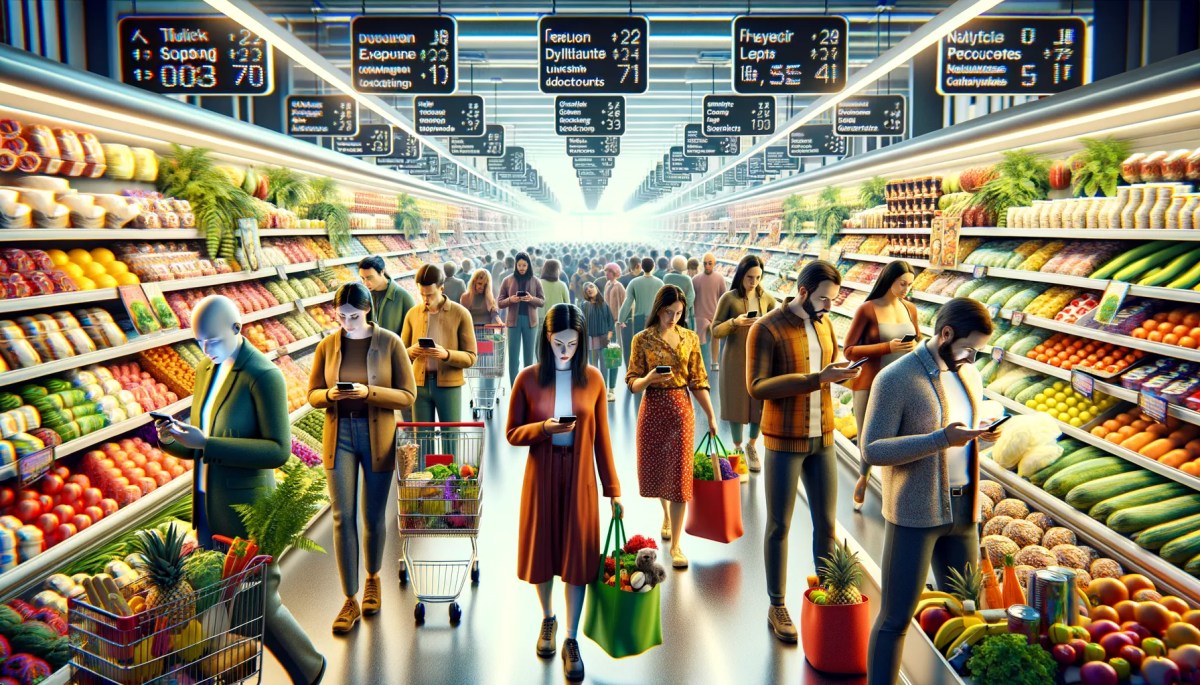


 gibsonseoservices
