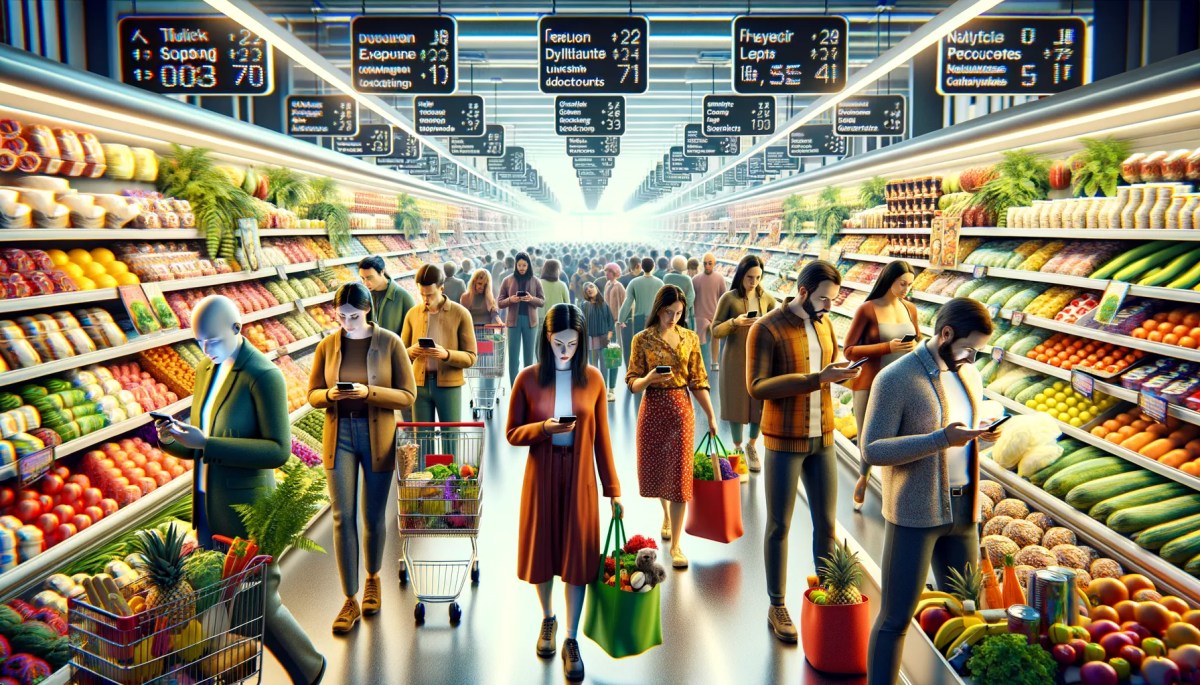
Picture this: hauling a cart down the grocery aisle, just like any other Tuesday, only to have your eyes pop at the price tags. Last spring, I found myself frozen in the dairy section, recalculating my shopping list in real time. If you’re like most Americans, you’ve probably done the same mental math lately as grocery prices keep inching upward. But what’s actually fueling this trend—and how can the average shopper fight back? Let’s break it down with facts, stories, and money-saving hacks your wallet will thank you for.
Sticker Shock: What’s Really Behind the Surge in Grocery Prices?
Walking through the grocery store aisles in 2025 feels like navigating a financial minefield. The rising cost groceries USA continues to squeeze household budgets, leaving many Americans wondering what’s driving these persistent price increases. While the headlines paint a picture of runaway inflation, the reality behind grocery price increase trends tells a more complex story.
The Real Numbers Behind Grocery Inflation Trends 2025
Despite widespread concerns, grocery inflation trends 2025 show some encouraging signs. Food-at-home prices are projected to rise 2.2% this year, actually falling below the 20-year average of 2.6%. As of April 2025, year-over-year grocery inflation sits at a manageable 2.0%. However, these overall figures mask significant volatility in specific categories that continue to impact shoppers’ wallets.
The inflation impact grocery prices varies dramatically across different food categories. While the average increase appears modest, certain items have experienced dramatic price swings that create the perception of widespread inflation.
The Main Culprits Driving Price Increases
Several interconnected factors continue to push food prices USA 2025 higher across key categories:
- Supply chain disruptions: Complex logistics networks remain vulnerable to even minor disruptions
- Weather-related challenges: Climate events continue to impact crop yields and livestock production
- Energy price fluctuations: Transportation and processing costs fluctuate with fuel prices
- Labor shortages: Ongoing workforce challenges in agriculture and food processing
“The complexity of today’s supply chains means prices can spike with the smallest disruption.” — Mark Baum, Food Marketing Institute
Winners and Losers: Which Foods Hit Hardest
The grocery price landscape in 2025 tells a tale of stark contrasts. Beef, sugar, and nonalcoholic drinks experienced major price swings in mid-2025, creating significant budget pressure for families who regularly purchase these items. These categories saw some of the most dramatic increases, with beef prices particularly volatile due to supply chain issues and weather-related impacts on cattle ranching.
However, not all news is bad. Fresh vegetables and eggs actually became more affordable during the same period, providing some relief for budget-conscious shoppers. Eggs, in particular, saw notable price decreases after the dramatic spikes of previous years, offering families a more affordable protein option.
Remember When Chips Were a Splurge?
There was a time not too long ago when grabbing a bag of chips felt like a luxury purchase. While snack prices have stabilized somewhat compared to their peak inflation periods, many processed foods remain significantly higher than pre-pandemic levels, reminding us how quickly our perception of “normal” pricing can shift.
Restaurant vs. Grocery Store Reality
Interestingly, restaurant prices are climbing even faster than grocery costs. With restaurant prices increasing 3.9% annually compared to groceries’ 2.0% rise, dining out has become proportionally more expensive than cooking at home. This trend reinforces the financial benefits of home cooking, even as grocery prices continue to challenge household budgets.
What Experts See Ahead
Industry analysts note that while some categories are showing signs of stabilization, the market remains unpredictable. Grocery inflation is slowing overall but remains volatile in key categories, meaning consumers should expect continued price fluctuations rather than steady, predictable increases.
The stabilization in some areas reflects improved supply chain efficiency and normalized demand patterns. However, specific products can still spike without warning due to weather events, supply disruptions, or other unforeseen circumstances.
Supply chain issues, labor shortages, and weather disruptions continue to drive price hikes in unpredictable ways. This volatility means that while the overall trend may be moderating, individual shopping trips can still result in sticker shock when certain categories experience
The Great Grocery Divide: How Location Skews What You Pay (And Why It Matters)
Grocery price variation USA creates shocking differences in what families pay for the same cart of food. In 2025, where you live shapes your grocery receipt as dramatically as what you choose to buy. The numbers tell a stark story: families of four can face spending gaps of up to $500 annually simply based on their ZIP code.
“Your ZIP code shapes your grocery receipt as much as your shopping habits.” — Carrie Staton, Consumer Economics Researcher
State-by-State Price Shock
Grocery prices by state 2025 reveal dramatic variations that catch even seasoned shoppers off guard. A family visiting relatives in another state often experiences sticker shock in grocery aisles. One Wisconsin resident described her horror at California produce prices: “A single bell pepper cost what I’d pay for three back home.” Meanwhile, California natives visiting the Midwest marvel at affordable dairy products.
The data shows grocery price inflation in 2025 varies by up to 5% between states and metro areas. This percentage translates into real dollars that strain household budgets differently across the country.
Metro Areas Drive the Divide
Grocery prices regional variation becomes even more pronounced within individual states. Major metropolitan areas often create pockets of outsized cost increases. New York City grocery bills dwarf those in upstate New York. Similarly, Denver shoppers pay premium prices compared to rural Colorado residents shopping in smaller towns.
These metro-area price spikes stem from higher commercial rents, labor costs, and increased demand concentrated in smaller geographic areas. Urban stores pass these operational costs directly to consumers through higher prices on everyday items.
The Logic That Isn’t: Regional Food Paradoxes
Common sense suggests milk costs less in Wisconsin dairy country or oranges cost less in Florida. Reality proves more complex. Transportation networks, processing facilities, and distribution systems often override proximity advantages. Maine lobster frequently costs less in Boston restaurants than in small Maine coastal towns due to volume purchasing and efficient distribution chains.
Regional favorites sometimes experience steeper price increases precisely because of local popularity. Florida orange juice prices can spike higher than national averages during shortage periods, as local demand competes with export markets.
Coastal vs. Midwest: A Tale of Two Grocery Experiences
The coastal versus Midwest grocery experience illustrates America’s food price divide perfectly. Coastal shoppers navigate higher baseline prices but enjoy diverse product selections and frequent sales on specialty items. Midwest shoppers benefit from lower baseline costs, especially on staples like meat, dairy, and grains, but may pay premiums for imported or specialty products.
West Coast stores stock abundant fresh produce year-round, while Midwest stores excel in frozen and packaged goods pricing. These regional strengths reflect supply chain efficiencies and local agricultural advantages.
The $500 Annual Impact
The grocery spending gap creates real financial pressure for American families. A $500 annual difference represents monthly grocery budget variations of roughly $42. For families already stretching food budgets, this location-based penalty can force difficult choices between food quality, quantity, or other essential expenses.
Grocery prices comparison tools help families understand their local market position. Online calculators and state-by-state grocery cost databases reveal whether local prices align with national averages or represent premium markets.
Understanding the Forces Behind Price Variation
Multiple factors drive grocery price regional variation. Transportation costs increase prices in remote areas or regions far from distribution centers. Local labor markets influence store operational costs. State and local taxes affect final receipt totals. Competition levels between grocery chains create pricing pressure in some markets while allowing premium pricing in others.
Supply chain disruptions impact regions differently based on their primary distribution routes. Weather events, fuel costs, and infrastructure quality all contribute to the complex formula determining local grocery prices.
These location-based price differences highlight why smart grocery shopping requires understanding both personal shopping habits and local market conditions. Families can minimize location disadvantages through strategic shopping approaches tailored to their specific regional market dynamics.
When Paychecks Shrink: The Real-World Impact of Grocery Price Hikes on American Households
As grocery prices increase USA families face tough choices every week, American households are discovering that their paychecks don’t stretch as far as they once did. The reality hits hardest at checkout counters across the nation, where families watch their usual shopping lists push totals higher than ever before.
Creative Survival Strategies Emerge
Households are creatively coping but not without trade-offs and stress. Many Americans have reduced discretionary spending to cover grocery costs, forcing families to get inventive with their meal planning. From community gardens in Detroit to bulk-buying cooperatives in suburban neighborhoods, families are finding new ways to make every dollar count.
The shift toward budget grocery shopping has sparked a wave of grassroots innovation. Neighbors are organizing group purchases of wholesale items, splitting large quantities of rice, beans, and frozen vegetables. Some communities have started “leftover exchanges” where families share excess produce before it spoils.
A Grandmother’s Wisdom: Feeding More with Less
Maria Santos, a 68-year-old grandmother from Phoenix, has become the neighborhood expert on stretching food budgets. When her daughter lost her job, Maria stepped in to help feed her three grandchildren on just $40 per week. Her secret? “I make one chicken last three meals,” she explains. “Day one is roasted chicken with vegetables. Day two becomes chicken soup with whatever vegetables are on sale. Day three, I pick the bones clean for chicken salad sandwiches.”
Her approach represents thousands of similar stories across America, where older generations are sharing Depression-era knowledge with younger families struggling to adapt to today’s food costs.
The Restaurant vs. Home Cooking Reality
The gap between restaurant and grocery inflation has pushed more families toward home cooking. With restaurant meals now 3.9% more expensive than grocery items, families are discovering “pantry-powered” meals that cost a fraction of takeout options.
| Category | Price Increase | Consumer Response |
|---|---|---|
| Restaurant Meals | 3.9% higher than groceries | 67% eating out less frequently |
| Grocery Items | Base inflation rate | Increased meal prep and planning |
| Credit Usage | 12% increase for food purchases | More families using credit for groceries |
“We traded Friday takeout for ‘Frugal Fiesta Night’ — and the kids love it,” says Monica Hernandez, a Texas mother of three. Her family now makes homemade tacos using ground turkey instead of beef, saving nearly $30 per week while creating a new family tradition.
The Emotional Toll of Rising Food Costs
The stress extends beyond financial calculations. Parents report anxiety at checkout counters, constantly running mental math to stay within budget. Children notice when favorite snacks disappear from shopping carts, and family dinners require new levels of creativity and planning.
Many families have developed new routines around affordable grocery shopping tips USA strategies. Sunday meal planning sessions have become family affairs, with children helping identify the cheapest protein options and seasonal vegetables. Some parents report that while stressful, these changes have brought families closer together around shared goals.
Behavioral Shifts and Long-term Adaptations
Anecdotal accounts show widespread adaptation: more meal prep, less food waste, and serious bargain-hunting have become standard practices. Families are learning to view grocery shopping as a skill that requires research, timing, and strategy rather than a simple weekly chore.
The rise in credit card usage for grocery purchases—up 12% among middle-income families—reveals that many households are not just changing habits but also taking on debt to maintain basic nutrition standards. This tren
<img src="https://thegibsonreport.blog/wp-content/uploads/2025/08/77ff41a8-7be3-4fbd-99e5-e0a71538c493.webp" style="width: 100%; height: auto; display: block;" alt="Play Smarter, Not Harder: Proven Budget Grocery Shopping Strategies for 2025″ />
Play Smarter, Not Harder: Proven Budget Grocery Shopping Strategies for 2025
American families are discovering that budget grocery shopping strategies have evolved far beyond clipping paper coupons. With grocery prices continuing their upward climb, savvy shoppers are turning to digital tools and smarter planning methods to stretch their food dollars further than ever before.
Digital Coupons: The New Savings Powerhouse
The couponing landscape has transformed dramatically. “Couponing went digital—and suddenly, anyone can be a pro saver,” explains Jasmine Patel, Retail Technology Analyst. Store apps like Target Circle, Kroger Plus, and Walmart+ now offer instant digital discounts that automatically apply at checkout. Families using these tips saving money groceries report average monthly savings of $15-40 without the hassle of paper clipping.
Popular money-saving apps include Ibotta, Checkout 51, and Honey, which stack savings on top of store promotions. The key is downloading multiple apps and checking them before shopping trips to maximize potential discounts.
Store Brand Swaps: The 30% Solution
Private label products represent one of the most reliable affordable grocery shopping tips available. Switching from national brands to store brands typically saves shoppers 10-30% on individual purchases. Items like cleaning supplies, medications, and pantry staples often match national brand quality at significantly lower prices.
Target’s Good & Gather, Walmart’s Great Value, and Kroger’s Simple Truth lines have expanded dramatically, offering organic and specialty options that compete directly with premium brands at fraction of the cost.
Meal Planning: Your Secret Weapon Against Food Waste
Strategic meal planning delivers consistent monthly savings of $30-60 for typical families by reducing impulse purchases and food waste. This approach involves planning weekly menus around sale items and existing pantry ingredients.
Simple Weekly Planning Strategy:
- Check store flyers before planning meals
- Build menus around discounted proteins
- Plan for leftovers and batch cooking sessions
- Create detailed shopping lists organized by store layout
Grocery Price Comparison Tools: The Game-Changer
Grocery price comparison tools 2025 have revolutionized how shoppers find deals. Apps like Flipp, Basket, and store-specific tools allow real-time price checking across multiple retailers. Shoppers can now track savings and turn grocery shopping into a rewarding challenge.
Many families report saving an additional 15-25% monthly by comparing prices across three different stores and timing purchases around sales cycles. The technology makes it possible to identify the best deals without driving to multiple locations.
AI-Powered Shopping Lists: The Future is Here
Artificial intelligence is making budget shopping even smarter. Apps like AnyList and Bring! now suggest cheaper alternatives and predict when favorite items might go on sale. Some grocery chains are testing AI systems that create personalized coupon offers based on past purchases and current inventory levels.
These tools analyze shopping patterns and suggest optimal timing for purchases, helping families stock up during peak discount periods while avoiding emergency shopping trips at full prices.
Monthly Savings Breakdown
| Strategy | Estimated Monthly Savings | Time Investment | |||||||||
|---|---|---|---|---|---|---|---|---|---|---|---|
| Store Brand Swaps | $25-50 | 5 minutes/trip | |||||||||
| Digital Coupons | $15-40 | 10 minutes/week | |||||||||
| Meal Planning | $30-60 | 30 minutes/week | |||||||||
| Price Comparison |
Meal Planning: Not Just for Dieters—A Secret Weapon Against InflationAs grocery prices continue to climb in 2025, American families are discovering that meal planning offers more than just health benefits—it serves as a powerful tool to combat rising food costs. Recent data shows that households practicing consistent meal planning can save between $30 and $60 monthly, translating to annual savings of $360 to $720.
Sunday Planning: Your Weekly Budget GuardianSpending just 30 minutes on Sunday reviewing weekly schedules and planning meals can transform grocery shopping from a budget-draining guessing game into a strategic operation. Meal planning reduces grocery costs by eliminating impulse purchases that typically add 20-30% to shopping bills. This simple practice involves checking what ingredients are already available at home, reviewing family schedules to identify busy nights requiring quick meals, and creating a shopping list based on planned recipes. Families report that this Sunday ritual helps them stick to their grocery budget throughout the week. Batch Cooking: Cook Once, Eat ThriceBusy households are embracing batch cooking as a cornerstone of their meal planning grocery savings strategy. This approach involves preparing large quantities of base ingredients or complete meals during weekends, then portioning them for multiple future meals. Popular batch cooking methods include:
This strategy not only saves time during hectic weekdays but also maximizes ingredient usage, reducing both waste and costs. Leftovers: The Trendy Solution to Wallet DrainOnce stigmatized as boring, leftovers are experiencing a renaissance among budget-conscious families. Smart households are discovering creative ways to transform yesterday’s dinner into today’s exciting lunch or tomorrow’s completely different meal. Effective leftover strategies include repurposing roasted chicken into tacos, transforming vegetable sides into soup bases, and using extra grains as salad foundations. This approach can extend grocery dollars significantly while reducing food waste—a win-win situation during inflationary periods. Theme Weeks: Fun Meets FrugalityOne innovative approach gaining popularity involves organizing meals around weekly themes. Sarah Martinez, a mother of three from Phoenix, shares her successful system: “We do Taco Tuesday, Pasta Wednesday, and Stir-Fry Friday. The kids love the predictability, and I love how it simplifies my shopping list.” Theme-based meal planning offers several grocery shopping budget tips advantages:
Template Success: Simplifying the ProcessCreating reusable grocery list templates based on planned menus eliminates weekly planning stress while maintaining budget control. Successful templates typically include:
|

 gibsonseoservices
